Best Router Bits for MDF, Plywood & Hardwood: What Works Best?
Table of Contents
- Quick Answer: Which Router Bit Should You Use?
- MDF: Choosing Router Bits for Clean Edges and Longer Tool Life
- Plywood: Choosing Router Bits That Prevent Veneer Tearout
- Hardwood: Choosing Router Bits That Reduce Burning and Tearout
- Can One Router Bit Cut MDF, Plywood, and Hardwood?
- Handheld Router vs. CNC: Does the Bit Choice Change?
- Find the Right Router Bit for Your Next Project
- FAQs
Choosing the right router bit depends on more than the material you're cutting. MDF, plywood, and hardwood each present different challenges, and the best bit for cutting a cabinet panel may not be the best choice for shaping its edges. Here's how to match the bit to the material and the job.
Quick Answer: Which Router Bit Should You Use?
| Material | Main Challenge | Best Bit Types | What to Avoid | Shank & Coating Notes |
|---|---|---|---|---|
| MDF | Rapid tool wear, fuzzy edges, fine dust | Solid carbide downcut spirals for clean top edges; compression bits for suitable through-cuts; specialized profile bits for cabinet doors | Dull cutters and downcut bits used in deep cuts without adequate chip evacuation | Wear-resistant coatings such as Spektra can extend tool life. Match shank size to the router or CNC spindle. |
| Plywood | Tearout and splintering of thin face veneers | Compression spirals for through-cuts; downcut spirals for shallow dados and grooves | Avoid upcut-only bits if the top veneer must remain chip-free. Avoid compression bits when the cutting depth is too shallow to engage both cutting sections. | Check cutting length, upcut-section length, and shank compatibility before selecting a bit. |
| Hardwood | Burning, grain tearout, and visible machining marks | Sharp carbide-tipped profile bits, shear-cutting flush trim bits, and solid carbide spirals for grooves and pockets | Dull bits, excessive dwell time, and overly aggressive cuts | 1/2-inch shanks offer greater rigidity for larger cutters when supported by the router. |
MDF: Choosing Router Bits for Clean Edges and Longer Tool Life
MDF (medium-density fiberboard) is popular for painted cabinetry, furniture components, decorative panels, and CNC projects. Its uniform composition makes it easy to machine consistently, but the dense fibers and resin binders can be abrasive to cutting edges.
As a bit dulls, MDF edges can become fuzzy rather than cleanly cut. The material also produces substantial amounts of fine dust, making effective dust extraction especially important.
Project Example: CNC Simulated Shaker Cabinet Doors
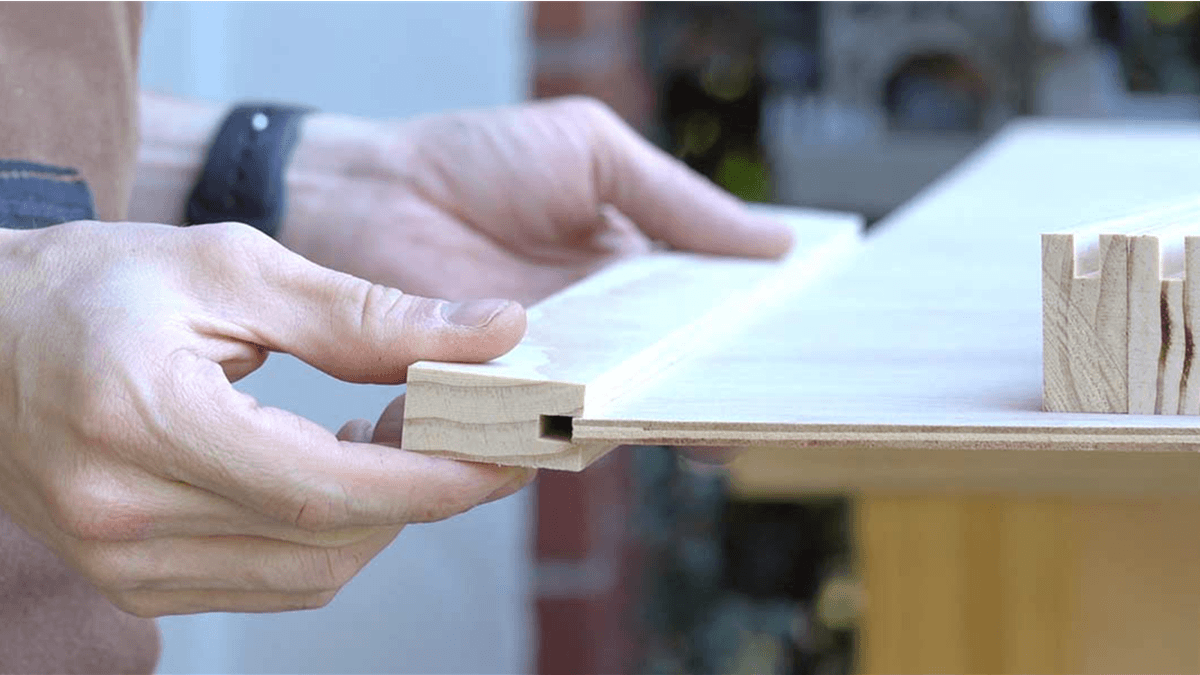
One of the most useful applications for MDF is making painted cabinet doors. Instead of assembling a traditional five-piece Shaker door, a CNC router can machine the appearance of rails, stiles, and a recessed center panel into a single MDF blank.
Watch how ToolsToday creates simulated Shaker-style cabinet doors using the Amana Tool AMS-262 router bit set.
Router bits featured: The Amana Tool AMS-262 Simulated MDF Shaker Door Set combines cutting, surfacing, and detailing tools for this project. The AMS-263 set is an alternative using 1/4-inch shanks.
Both sets are compatible with the Free downloadable MDF Shaker Door CNC plans, which include instructions and customizable design files.
These sets illustrate an important principle: even when you're working with just one material, different cutting operations call for different bit geometries. Surfacing a panel, cutting a groove, and creating a decorative profile are not the same job.
Best General-Purpose Router Bits for MDF
For ordinary MDF cutting, solid carbide spiral bits are a strong starting point. Unlike a straight bit, a spiral cutter shears through the material progressively, helping produce a smoother cut.
- Downcut spiral bits: Push fibers toward the workpiece, helping maintain a clean top edge. They're particularly useful for shallow grooves, pockets, and surface details.
- Compression spiral bits: Combine upcut and downcut cutting directions. They can produce clean top and bottom edges when cutting all the way through an MDF panel, provided the cutting depth engages both sections of the bit.
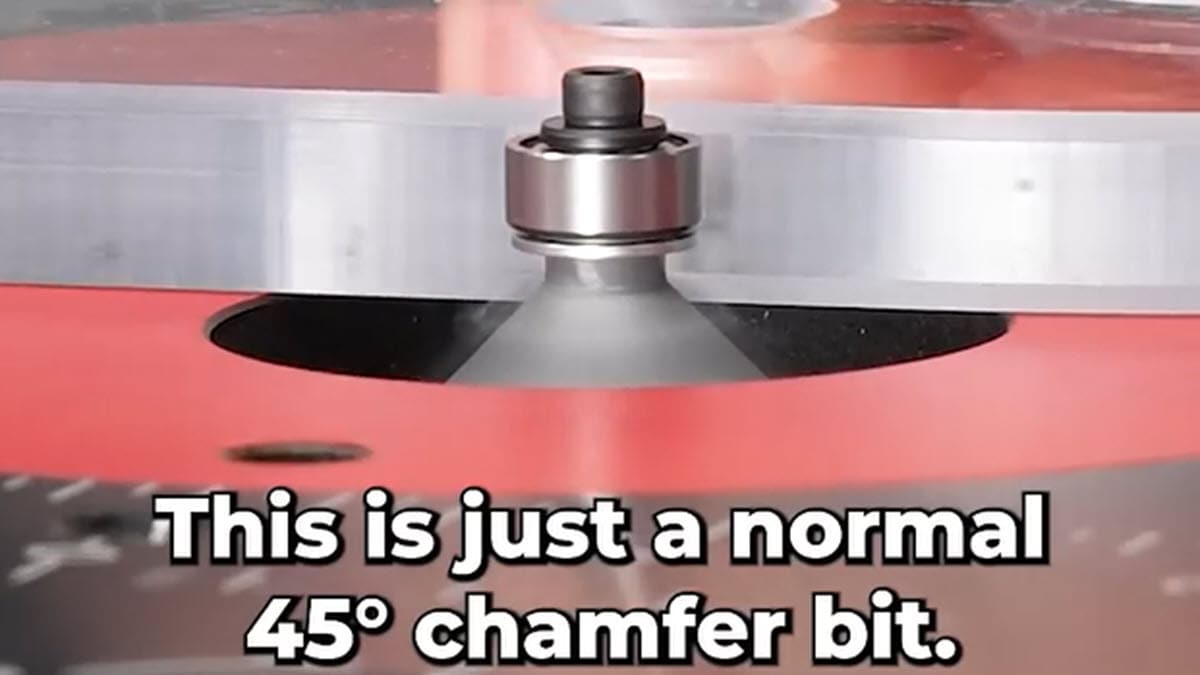
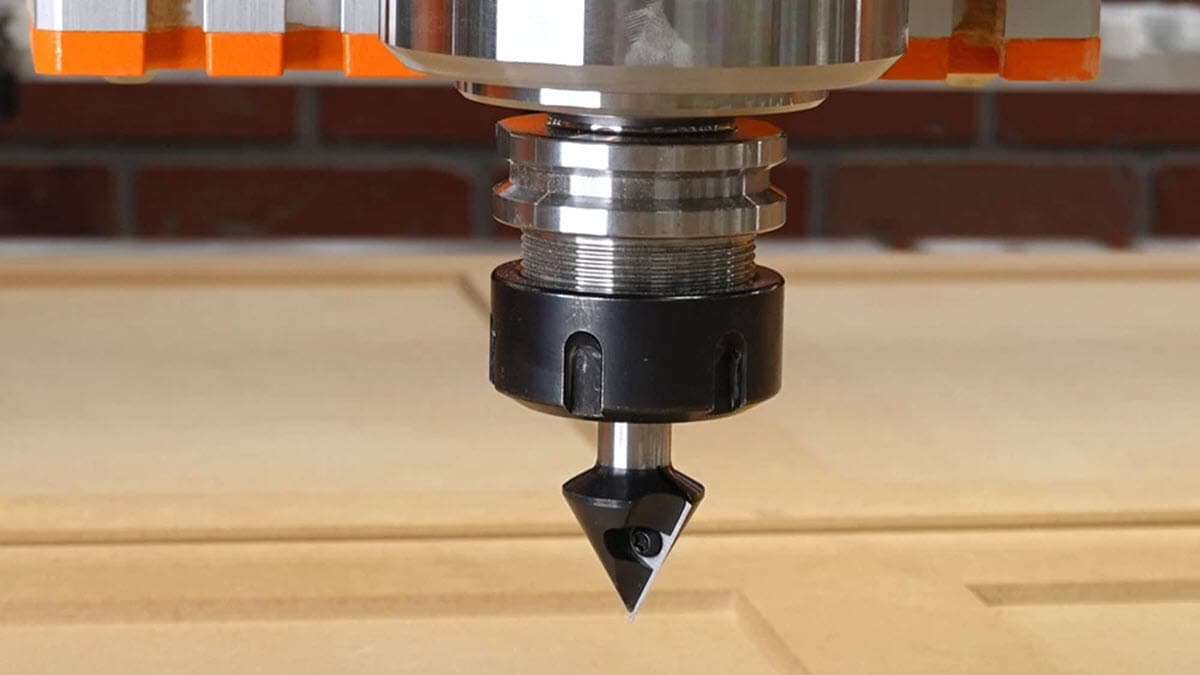
- Profile bits: Roundover, chamfer, V-groove, and other specialty cutters are used when the project calls for a shaped edge or decorative detail rather than a straight cut.
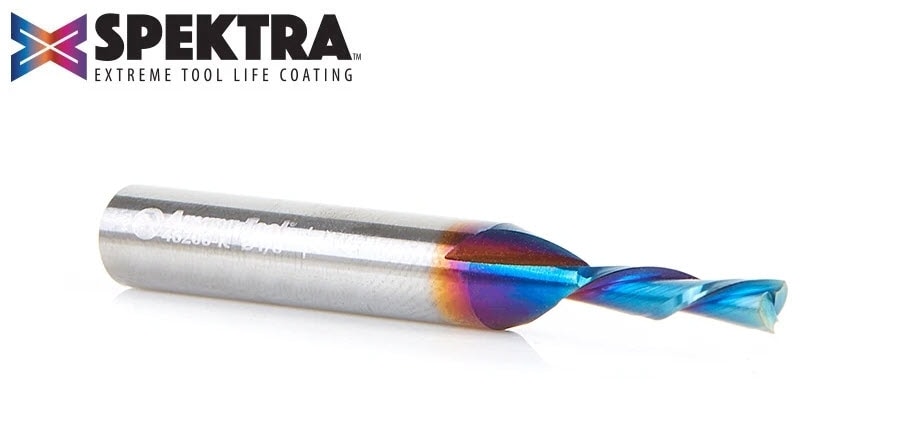
For example, the Amana Tool 46200-K Spektra-coated 1/8-inch downcut spiral, included in the Shaker door sets, is suited to detailed CNC cutting where protecting the top surface is important.
Does Spektra Coating Help When Cutting MDF?
Yes. Because MDF can be abrasive, cutter wear is a significant consideration, especially in production work. Amana Tool's Spektra-coated solid carbide bits are designed for increased wear resistance and longer tool life.
However, coating and cutter geometry serve different purposes. A wear-resistant coating helps protect the cutting edge, while the bit's cutting direction determines how chips move and which surface receives the cleanest cut.
MDF tip: Use effective dust extraction, keep the cutter sharp, and avoid excessive heat. A coating helps with wear resistance, but it doesn't replace proper feed rates, spindle speeds, or chip evacuation.
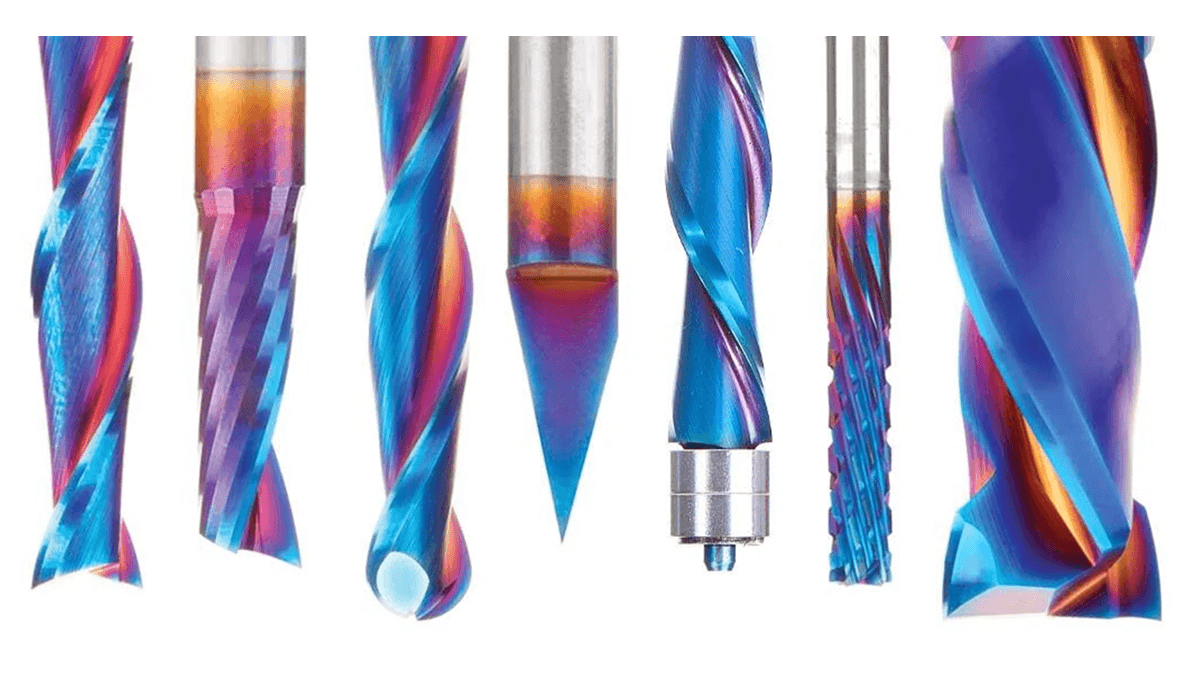
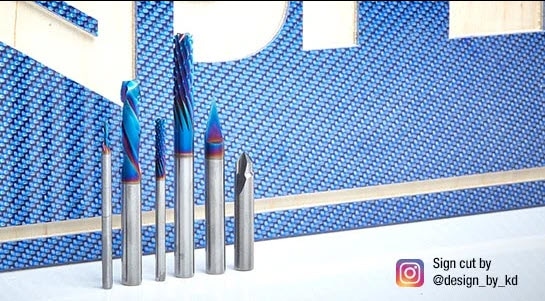 Solid Carbide Spektra™ Extreme Tool Life Coated Spiral Plunge Down-Cut Router Bits feature unique, harder carbide with nACo® nanocomposite coating for longer tool lifetime.
Plywood: Choosing Router Bits That Prevent Veneer Tearout
Plywood presents a different challenge. Its thin face veneers can splinter or chip as a router bit exits the surface. This is especially noticeable on cabinet components, furniture panels, and other projects where both faces remain visible.
The best router bit for plywood depends on whether you're cutting all the way through the sheet or machining a groove, dado, or pocket.
Compression Bits for Plywood Through-Cuts
For CNC cutting of plywood cabinet components, a compression spiral is often the preferred choice.
A compression bit combines two cutting directions:
- The lower upcut section pulls chips upward and helps protect the bottom face.
- The upper downcut section pushes the top veneer downward, helping prevent splintering along the top edge.
When both sections engage the material correctly, the bit can leave clean edges on both faces of the sheet.
The Amana Tool 46170-K 1/4-inch Spektra Compression Spiral is one example. It's designed for CNC cutting and is included in Amana's published cutting recommendations for veneered plywood, MDF, and wood.
Important: Check the length of the bit's lower upcut section. If the cut is too shallow, that section may reach the top surface and cause the very tearout you're trying to prevent. Select the correct bit geometry and cutting depth for your plywood thickness.
Explore Compression Spiral Router Bits for additional diameters and cutting lengths.
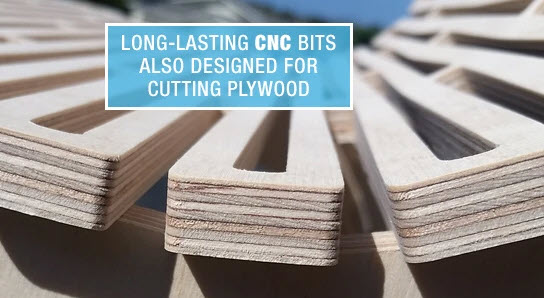 Spektra Compression Bits are not just for MDF and laminate
When Is a Downcut Bit Better for Plywood?
If you're cutting a shallow dado for a cabinet shelf, a groove for a back panel, or a pocket that doesn't go through the sheet, a downcut spiral may be the better choice.
A downcut bit pushes the top veneer into the panel, helping prevent splintering around the opening. Because chips are pushed downward, however, deep grooves require particular attention to chip removal and cutting depth.
For smaller details, the Amana Tool 46225-K 1/8-inch Spektra Downcut Spiral is one option. For wider dados, choose a suitable larger-diameter cutter.
Quick rule: For through-cutting plywood with clean edges on both faces, start by considering a compression spiral. For shallow grooves where the top veneer matters most, consider a downcut spiral.
Hardwood: Choosing Router Bits That Reduce Burning and Tearout
Hardwoods such as maple, cherry, oak, and walnut reward careful routing. Their grain patterns and finished surfaces make burning, torn grain, and machining marks particularly noticeable.
Unlike MDF, hardwood isn't uniform. Grain direction, density, and figure can change throughout a board, affecting how the cutter engages the wood.
Why Do Router Bits Burn Hardwood?
Burning occurs when friction generates enough heat to discolor the wood. Dense hardwoods such as hard maple and cherry can be especially susceptible, but the problem isn't limited to those species.
Common causes include:
- A dull or resin-coated cutting edge
- Excessive RPM relative to feed rate
- Moving too slowly or pausing while the bit is cutting
- Trying to remove too much material in one pass
- Rubbing caused by an unsuitable cutting setup
The solution isn't necessarily to use a different bit. Start with a sharp cutter, appropriate RPM and feed rate, and lighter passes where necessary. Keep the router moving steadily through the cut.
Edge Profile Bits for Hardwood Furniture
For decorative edges on hardwood furniture, cabinet doors, and shelving, carbide-tipped profile bits are a practical choice.
Roundover, chamfer, ogee, and beading bits create different edge treatments. Bits with a shear-cutting design can help produce a smoother finish, particularly where grain direction changes.
For example, the Amana Tool 49587 Down-Shear Corner Rounding/Beading Bit uses a four-flute, carbide-tipped cutting design with a 1/2-inch shank. It's an example of a specialized cutter intended for smooth edge profiling.
For larger profile bits, a 1/2-inch shank generally offers greater rigidity than a 1/4-inch shank. Always confirm that the router, collet, bit diameter, and operating speed are appropriate for the cutter.
Flush Trim Bits for Hardwood Template Work
When making matching furniture parts or routing to a template, a bearing-guided flush trim bit allows the cutter to follow a reference edge.
The Amana Tool 47118 Three-Flute Flush Trim Bit is one example for this type of work.
For the best results, remove most of the waste before flush trimming rather than forcing the bit to cut a large amount of hardwood in a single pass.
Also pay attention to grain direction. Conventional routing is generally the safer default for handheld routers. Difficult grain may require multiple light passes or a different cutting approach. Climb cutting with a handheld router can cause the tool to grab and should not be attempted without appropriate equipment and expertise.
Browse Flush Trim Router Bits for additional bearing configurations and cutting lengths.
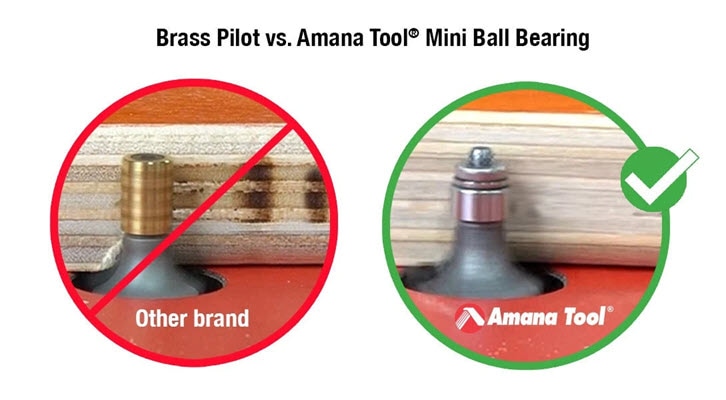 Corner Rounding Router Bits w/ Ball Bearing Guide 4 flutes for super-smooth finish, & down-shear design for better surface finish.
Can One Router Bit Cut MDF, Plywood, and Hardwood?
Yes. A suitable solid carbide spiral bit can cut all three materials, and some compression spirals are specifically rated for MDF, veneered plywood, and solid wood.
But that doesn't mean one bit is the best choice for every operation.
A compression spiral can be an excellent general-purpose CNC cutter for panel through-cuts, but it won't replace a roundover bit for hardwood furniture edges or a small downcut bit for detailed MDF grooves.
A Practical Starter Selection
Rather than buying a large assortment immediately, consider starting with two or three cutters that match your most common projects:
- A 1/4-inch compression spiral: For CNC through-cutting plywood, MDF, and suitable hardwood panels.
- A downcut spiral: For clean top edges on grooves, pockets, and detailed CNC work.
- A carbide-tipped profile or flush trim bit: Choose according to whether you primarily shape edges or follow templates.
The Amana Tool AMS-234-K Three-Piece Spektra Spiral Starter Pack is one CNC-oriented option that combines a compression bit with two downcut spirals.
For occasional woodworking, an appropriately selected standard carbide bit may be sufficient. Frequent production cutting, abrasive materials, and demanding finish requirements can justify investing in industrial-grade cutters and wear-resistant coatings.
Handheld Router vs. CNC: Does the Bit Choice Change?
Handheld and Router Table Applications
Handheld and table-mounted routers are commonly used for decorative edges, joinery, and template routing. Bearing-guided roundover, chamfer, rabbeting, and flush trim bits are especially useful. For larger cutters, 1/2-inch shanks offer greater rigidity when the router accepts them. Spiral bits can also be useful for grooves and other operations, provided the bit is approved for the equipment and application.
CNC Router Applications
CNC routers frequently use solid carbide spiral bits for profiling, pocketing, and sheet cutting. Upcut, downcut, and compression geometry affect chip evacuation and surface quality. Coated cutters such as Spektra can be particularly valuable in repeated production work, but the bit diameter, cutting length, feed rate, spindle speed, and toolpath must all suit the material.
Regardless of machine type, always follow the bit manufacturer's operating recommendations and the router or spindle's safety requirements.
Find the Right Router Bit for Your Next Project
There's no single best router bit for every material and every cut. The right choice depends on both the workpiece and the result you're trying to achieve.
- Working with MDF? Start with Solid Carbide Spiral Router Bits, or explore the Simulated Shaker Door Set for CNC cabinet-door projects.
- Cutting plywood? Explore Compression Spiral Router Bits for clean through-cuts.
- Shaping hardwood? Browse Flush Trim Router Bits and other edge-profile cutters suited to your project.
And if you'd like to test your router bit knowledge, try the ToolsToday Router Bit Quiz.
The bottom line: Choose the cutting geometry for the operation, then match the bit's size, material compatibility, and coating to the job. That approach will do more for cut quality than simply choosing the most expensive bit on the shelf.
FAQs
What is the best router bit for MDF?
A solid carbide spiral bit is a good general-purpose choice for MDF. Downcut spirals help produce clean top edges on grooves and details, while compression spirals can produce clean edges on both faces during through-cutting. For decorative cabinet doors, specialized MDF profiling bits may be more appropriate.
What is the best router bit for plywood without tearout?
A compression spiral is often the best choice for CNC through-cutting plywood because it helps protect both face veneers. For shallow grooves and dados, a downcut spiral may provide a cleaner top edge.
Can I use the same router bit for MDF and plywood?
Yes. Many solid carbide spiral bits are suitable for both materials. However, the best cutting geometry depends on the operation. A compression bit may be preferable for through-cuts, while a downcut bit is often better for shallow grooves.
Why does my router bit burn hardwood?
Burning usually results from excessive friction. Common causes include a dull cutter, inappropriate RPM or feed rate, excessive dwell time, and removing too much material in one pass. A sharp bit, steady feed, and appropriate cutting settings can help prevent burning.
Are Spektra-coated router bits better for MDF?
Spektra coatings are designed to improve wear resistance and extend cutter life, making them useful for abrasive materials such as MDF. However, the coating doesn't replace the need for proper cutter geometry, feed rates, and chip evacuation.
Do I need a 1/2-inch shank router bit for hardwood?
Not necessarily. Many smaller hardwood routing operations can be performed with 1/4-inch shank bits. A 1/2-inch shank provides greater rigidity and is generally preferable for larger cutters and heavier routing operations when the router supports it.