
Should I Use Lubricant When Cutting Aluminum?
Table of Contents
When it comes to cutting aluminum, one of the most common questions in the shop is simple:
Do I actually need lubricant?
The answer isn’t a hard yes or no. It depends on your tooling, your machine, and the type of cut you’re making. In many cases, modern CNC users are getting excellent results running dry—but there are still situations where lubrication makes a noticeable difference.
Let’s break it down.
Why This Question Matters
Aluminum is very different from steel. It’s softer, more prone to sticking, and notorious for forming built-up edge (BUE)—that frustrating condition where material welds itself to your cutting tool.
That means your strategy isn’t just about lubrication. It’s about managing:
- Heat
- Chip evacuation
- Tool geometry
Lubricant can help—but it’s only one piece of the puzzle.
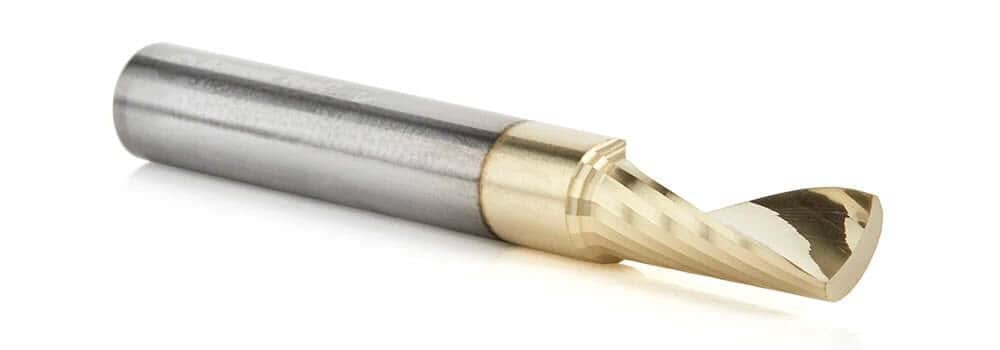 Amana 51402-Z CNC Solid Carbide Spiral 'O' Single Flute Aluminum-Cutting Up-Cut ZrN-Coated Router Bit uses the highest quality sub-micrograin carbide with a high-polished cutting edge for clean cuts, less chance of chip re-welding, a superior surface finish, and a longer tool life.
The Case for Dry Cutting Aluminum
For many CNC users—especially small shops and hobbyists—dry cutting is the go-to approach.
First, aluminum simply doesn’t demand lubrication the way steel does. With the right tooling and speeds, it cuts cleanly on its own.
Second, coolant introduces complexity:
- More cleanup
- More maintenance
- More machine components to manage
Dry cutting keeps things simple.
It also improves chip evacuation. When you’re using compressed air, chips are blown clear quickly, reducing the chance they’ll be recut or welded back onto the tool.
Speaking of welding—preventing built-up edge isn’t just about lubrication. It’s often better addressed by:
- Running higher spindle speeds
- Using sharp, polished cutters
- Choosing coatings like ZrN (Zirconium Nitride) that reduce material adhesion
There’s also the issue of thermal shock. Inconsistent coolant application—especially in intermittent cuts—can cause rapid temperature swings that shorten tool life. Dry cutting avoids that by keeping temperatures more stable.
 See Our ZrN Brochure ZrN helps router bits run cooler and cleaner when cutting aluminum by reducing friction, resisting built-up edge, and improving chip evacuation.
 The Case for Using Lubricant
That said, lubrication absolutely has its place.
The biggest advantage is friction reduction. Less friction means:
- Lower cutting temperatures
- Longer tool life
- Better dimensional accuracy
Lubricant also helps prevent chip welding, especially in operations where chips don’t evacuate easily—like slotting or deep pocketing.
Surface finish is another major factor. If you’re seeing tearing, smearing, or a rough edge, a small amount of lubrication can dramatically improve results.
And in some operations, lubrication is especially useful:
- Drilling, where chips can pack tightly
- Tapping, where friction is extremely high
- Heavy cuts, where heat builds quickly
Lubrication can also compensate for less-than-ideal setups, such as lower spindle speeds or less rigid machines.
MQL vs. Flood Coolant vs. Air Blast
Not all lubrication methods are created equal.
Compressed Air / Air Blast
This is the simplest option. It keeps chips moving and works extremely well when paired with proper aluminum tooling.
Minimum Quantity Lubrication (MQL)
MQL uses a fine mist of lubricant carried by air. It provides just enough lubrication to reduce friction without the mess of full coolant systems. For many users, this is the sweet spot.
Flood Coolant
Flood systems deliver maximum cooling and lubrication, but they’re typically reserved for production environments. For most small shops, they’re more than you need.
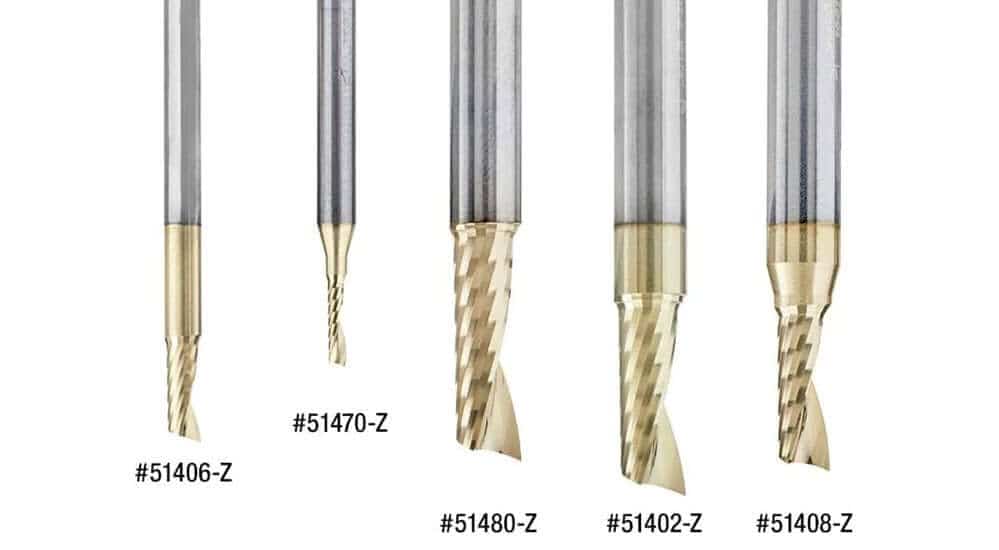 Solid Carbide CNC Spiral O Flute, Aluminum Cutting ZrN Coated Up-Cut Router Bits feature a special proprietary edge processing system. The result: smoother cuts, less material sticking to the bit, and longer tool life—especially valuable in non-ferrous metals where heat and chip welding can quickly ruin performance.
Tooling Matters More Than Lubricant
If you’re struggling with aluminum, lubrication might not be the real issue.
Often, the bigger gains come from better tooling:
- Polished flutes reduce chip adhesion
- Low flute counts improve chip evacuation
- ZrN coatings help prevent material buildup
- Sharp edges cut cleanly instead of smearing material
Dial this in first, and you may find you don’t need lubricant at all.
So, Should You Use Lubricant?
Here’s the practical answer.
Stick with dry cutting if:
- You’re using proper aluminum tooling
- You have good chip evacuation, such as air blast
- Your cuts are light to moderate
- You want a simple, low-maintenance setup
Add lubrication if:
- You’re slotting, drilling, or tapping
- Chips are sticking or recutting
- Surface finish matters
- You’re pushing feeds and speeds
- Your setup isn’t perfectly optimized
Practical Shop Advice
If you’re unsure where to start, keep it simple:
- Run dry with compressed air.
- Watch for signs of trouble, such as chip welding, poor finish, or chips packing into the cut.
- Add MQL if needed.
- Only step up to flood coolant if your work truly requires it.
In most cases, you’ll solve the problem before you ever get there.
Bottom Line
Lubrication can improve aluminum cutting—but it’s not always required.
In many CNC workflows, the winning combination is usually:
- Proper tooling
- Good chip evacuation
- Dry cutting or light MQL
Get those right, and aluminum becomes one of the easiest, most rewarding materials to machine.
FAQs
Do you need lubricant when cutting aluminum?
Not always. Many CNC users cut aluminum dry with excellent results, especially when using sharp, polished tools and good chip evacuation like compressed air.
What is built-up edge (BUE) and how do you prevent it?
Built-up edge occurs when aluminum sticks to the cutting tool. It can be reduced with higher spindle speeds, sharp tooling, polished flutes, ZrN coatings, or by adding light lubrication.
Is MQL better than flood coolant for aluminum?
For most small shops, yes. Minimum Quantity Lubrication (MQL) provides enough lubrication to reduce friction without the mess and complexity of flood coolant systems.
When should I use lubricant instead of cutting dry?
Use lubricant for drilling, tapping, deep slotting, heavy cuts, or anytime chips are sticking, recutting, or causing poor surface finish.
What matters more: lubricant or tooling?
Tooling usually matters more. Proper geometry, sharp edges, polished flutes, and coatings designed for aluminum often eliminate the need for heavy lubrication.