7 Saw Blade Myths That Are Costing You Accuracy (and Time)
Table of Contents
- Myth #1: More Teeth = Better Cut
- Myth #2: Thin Kerf Is Always Better
- Myth #3: If It’s Burning, the Blade Is Dull
- Myth #4: Keep the Blade Low for Safety
- Myth #5: A Combo Blade Does Everything Well
- Myth #6: All Carbide Is the Same
- Myth #7: When It Stops Cutting Well, Replace It
- Final Thought: The Blade Isn’t Just a Consumable
- FAQs
When a cut burns, wanders, or leaves a rough edge, most woodworkers blame the saw.
But in reality? The issue is almost always the blade — or how it’s being used.
Saw blades seem simple: round disc, sharp teeth, spin fast. But small misunderstandings about tooth count, kerf thickness, blade height, and maintenance can quietly cost you accuracy, material, and time in the shop.
Let’s clear up seven common saw blade myths that may be holding your cuts back.
Myth #1: More Teeth = Better Cut
Why people believe it: More teeth look smoother and more refined.
The reality: More teeth don’t automatically mean a better cut. They mean smaller gullets (the spaces between teeth), which means less room for chips to clear.
When ripping thick hardwood, a high tooth-count blade can trap heat and cause burning because chips have nowhere to go. A 24-tooth rip blade often performs better in thick stock than a 60-tooth blade.
What to do instead: Match tooth count to the cut direction and material thickness. Fewer teeth for ripping. More teeth for fine crosscuts and plywood.
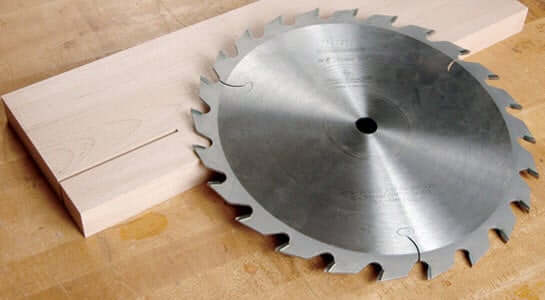 Amana Tool 610200 Carbide Tipped Ripping Standard is the classic ripper for both hardwood and softwood. It features the flat-top grind for cutting with the grain efficiently; ample gullets for fast chip-clearance; expansion slots and turbulence-reducing copper plugs.
Myth #2: Thin Kerf Is Always Better
Why people believe it: Thin kerf blades waste less material and require less power.
The reality: Thinner plates flex more under load. In thicker stock or aggressive feeds, thin kerf blades can deflect slightly, leading to wandering cuts or subtle inaccuracies.
On underpowered saws, thin kerf can be helpful. But on heavier machines cutting thick hardwood, a full-kerf blade often provides better stability.
What to do instead: Choose thin kerf for lower horsepower saws or sheet goods. Choose full kerf for rigidity in thicker material.
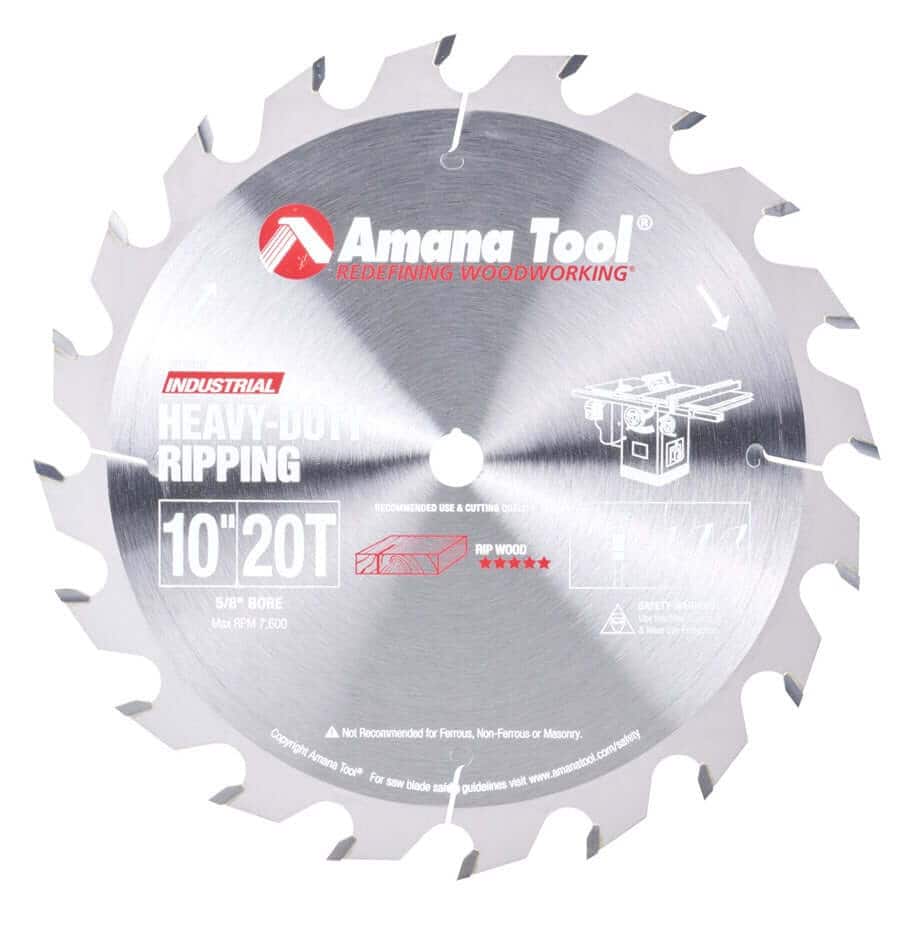 Amana Tool 710200 Carbide-Tipped Heavy-Duty Ripping 10" Circular Saw Blade features increased thickness of kerf and plate for ripping natural woods along the grain.
Myth #3: If It’s Burning, the Blade Is Dull
Why people believe it: Burning equals friction, and friction must mean dull.
The reality: Sometimes the blade is dull — but often it’s just dirty.
Resin and pitch buildup on carbide teeth increase friction dramatically. Feeding too slowly, running too many teeth for the cut, or setting the blade too low can also cause burn marks.
What to do instead: Clean the blade before replacing it. Check tooth count and blade height. Adjust feed rate. Don’t assume you need a new blade immediately.
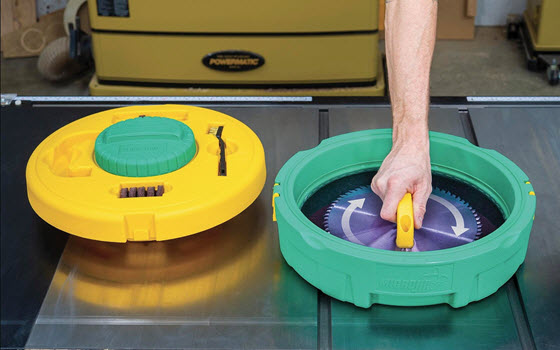 The BLADECLEAN Blade and Bit Cleaning System is the quickest, safest, and most enjoyable way to clean your saw blades and router bits. This all-in-one kit is compatible with saw blades up to 12" in diameter, as well as router bits.
Myth #4: Keep the Blade Low for Safety
Why people believe it: Less blade exposure feels safer.
The reality: A blade set too low increases friction. When the tooth enters the wood at a shallow angle, it scrapes more than it slices — generating heat and increasing burn risk.
Raising the blade so the gullets clear the top of the workpiece often results in cleaner cuts and smoother feeding.
What to do instead: Raise the blade so the bottom of the gullet is just above the top of the material.
Myth #5: A Combo Blade Does Everything Well
Why people believe it: One blade is simpler and cheaper.
The reality: Combination blades are compromises. They can handle general work well, but they don’t excel at heavy ripping or ultra-clean crosscutting.
If you regularly rip hardwood or cut veneered plywood, a dedicated blade for each task will produce noticeably better results.
What to do instead: Use a combo blade for general shop work. Add a dedicated rip blade and fine crosscut blade as your projects demand more precision.
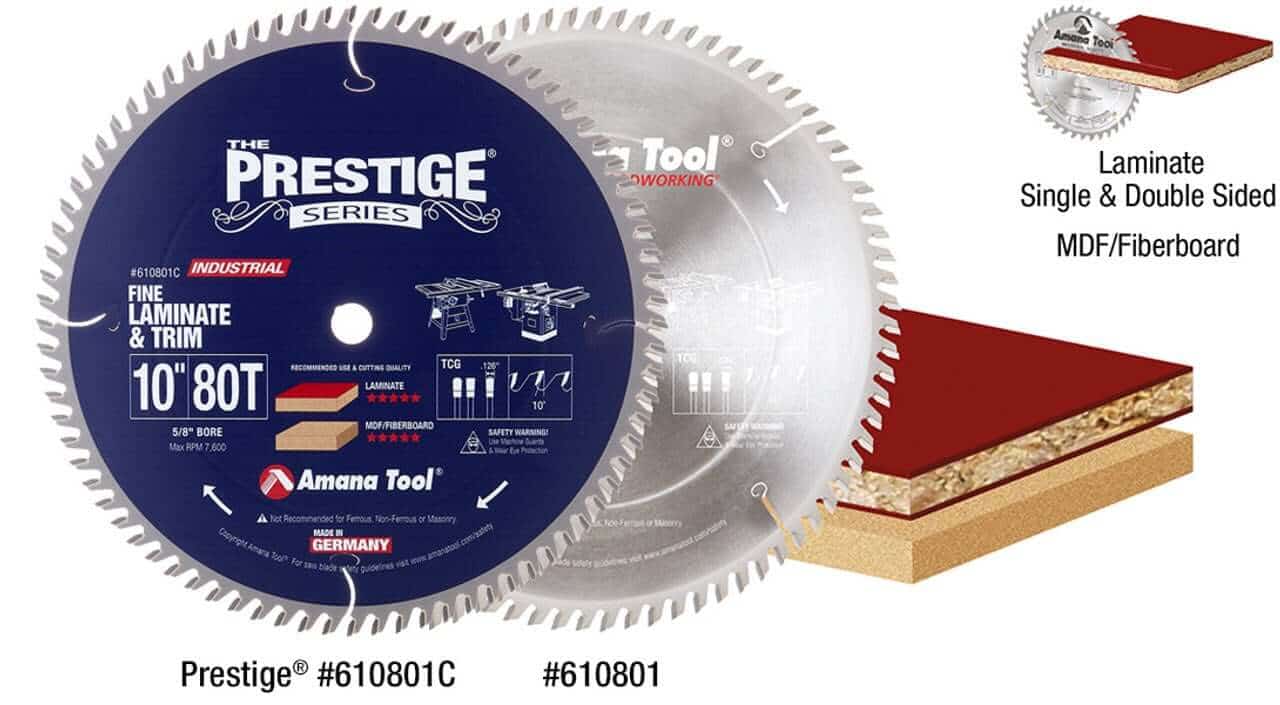
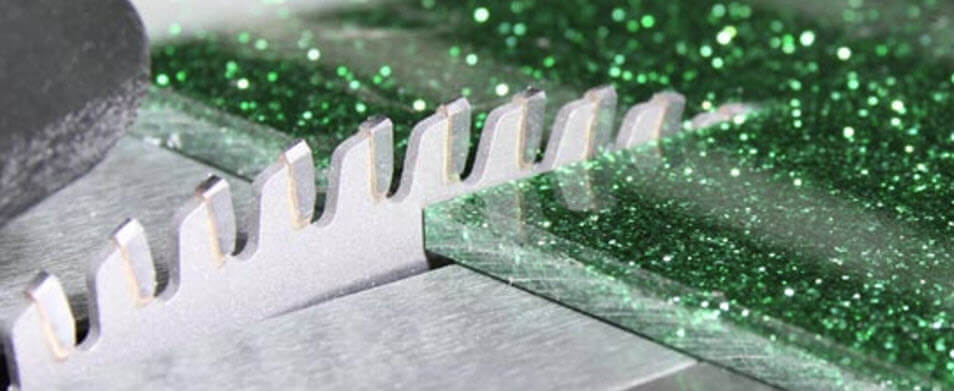
Amana Tool 610801 Carbide Tipped Fine Cut-Off and Crosscut 10 Inch Saw Blade Ideal for cutting materials with fragile surface layers, like veneers and laminates. High tooth count yield smooth finishes.
Myth #6: All Carbide Is the Same
Why people believe it: Carbide is carbide.
The reality: Carbide quality varies. Micro-grain carbide holds an edge longer and withstands heat better than lower-grade carbide. Brazing quality also affects tooth durability.
Higher-quality blades can be sharpened multiple times and maintain performance longer.
What to do instead: Invest in blades designed for sharpening and long-term performance, especially if you cut frequently or work with abrasive materials like MDF.
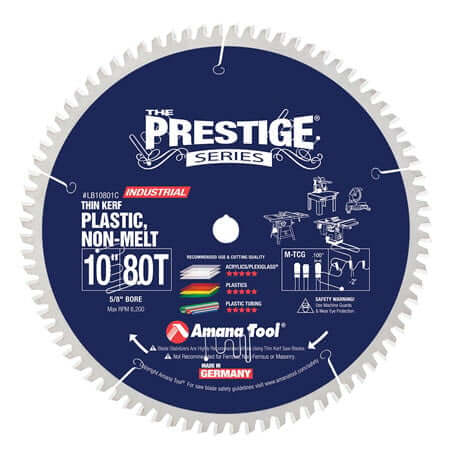 “Solid carbide” tools are common in router bits, but table saw blades are typically carbide-tipped. The steel body provides strength and flexibility, while the carbide teeth deliver long-lasting cutting performance. Amana Tool® blades use only the highest quality sub-micrograin carbide.
Myth #7: When It Stops Cutting Well, Replace It
Why people believe it: Blades are disposable.
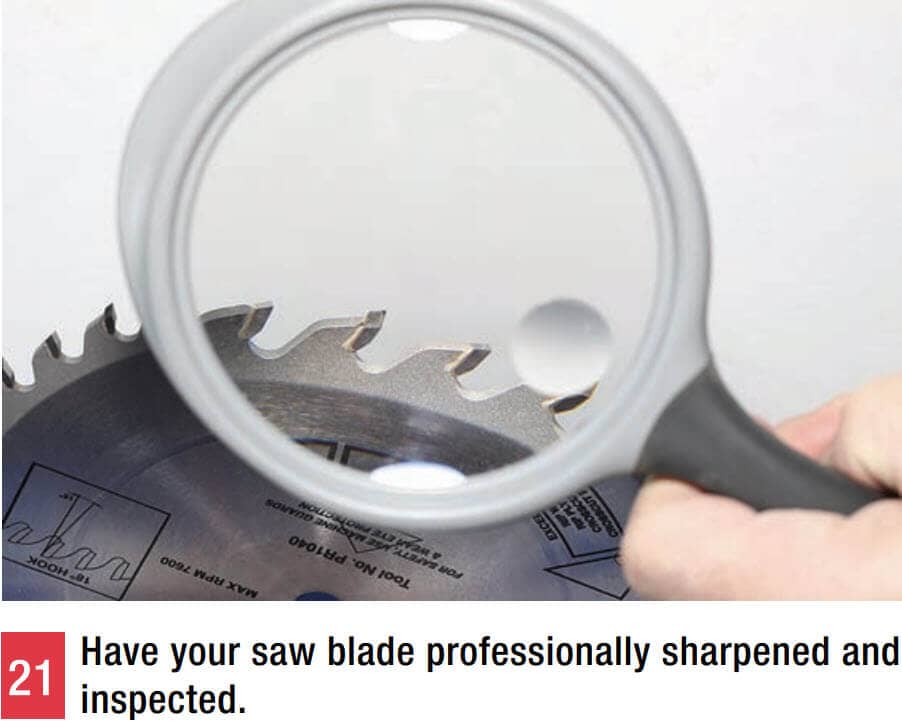
The reality: Many quality blades can be sharpened several times before needing replacement.
Sharpening restores edge geometry and often costs significantly less than buying new — especially for premium blades.
What to do instead: If the carbide teeth are intact, consider professional sharpening before replacing the blade.
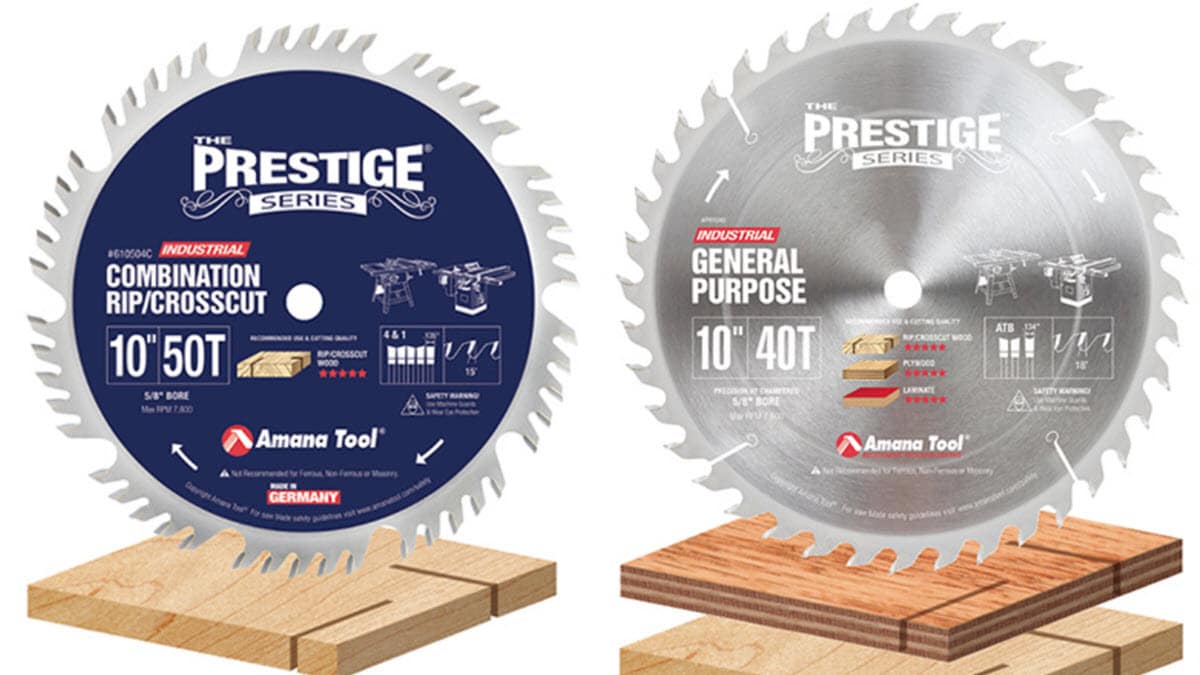
Bonus Tip: Sometimes, you really just want a single, heavy-duty blade that does most jobs well. If you are cutting wood (or wood-like material like plywood, MDF or chipboard) we recommend the Amana PR1040C Carbide Tipped General Purpose Prestige 10" Diameter Circular Saw Blade. Get Yours Here
Final Thought: The Blade Isn’t Just a Consumable
A table saw is only as accurate as the blade mounted on it. Tooth count, kerf thickness, blade height, carbide quality, and maintenance all play a role in cut performance.
Before blaming the saw — or buying a new one — check the blade. The fix may be simpler than you think.
FAQs
Why does my table saw blade burn wood?
Burning is usually caused by excess friction. Common reasons include too many teeth for the cut, feeding too slowly, resin buildup on the blade, or setting the blade height too low. A dull blade can cause burning, but it’s not always the main issue.
Is more teeth on a saw blade always better?
No. More teeth create smoother crosscuts, but they also reduce chip clearance. For ripping thick hardwood, fewer teeth often cut cooler and more efficiently.
What’s the difference between thin kerf and full kerf saw blades?
Thin kerf blades remove less material and require less power, making them useful on lower horsepower saws. Full kerf blades are thicker and more rigid, which can improve stability and accuracy in thicker stock.
How high should I set my table saw blade?
A common guideline is to raise the blade so the bottom of the gullet sits just above the top of the material. This improves cutting efficiency and reduces friction compared to running the blade too low.
Can I clean a saw blade instead of replacing it?
Yes. Resin and pitch buildup can dramatically reduce performance. Cleaning the blade often restores cutting quality if the carbide teeth are still sharp and undamaged.
Are combination blades good for everything?
Combination blades are versatile and convenient, but they’re a compromise. Dedicated rip blades and fine crosscut blades generally produce better results for their specific tasks.
How do I know when a saw blade needs sharpening?
Signs include increased feed resistance, more tear-out, excessive burning despite proper setup, and rougher cut surfaces. If the carbide teeth are intact, professional sharpening is often a cost-effective option.
Why does MDF dull my saw blade faster than hardwood?
MDF is highly abrasive because it contains fine wood fibers mixed with resin binders. Those resins and fillers act like sandpaper on carbide teeth, especially at high feed rates. Even premium blades will dull faster in MDF than in solid hardwood, which is why dedicated blades and regular sharpening matter when cutting sheet goods.