Do You Really Need an Air Compressor for Workshop Cleanup?
Table of Contents
- Handheld Electric Air Blowers vs. Compressed Air
- Electric Air Blowers vs. Air Compressors: What's the Difference?
- Which Is Better for Common Workshop Cleanup Jobs?
- Five Reasons to Keep a Handheld Electric Blower in Your Workshop
- Where Compressed Air Still Wins
- Important: Blowing Dust Isn't the Same as Removing It
- See the BLOWZER X6 in Action
- Meet the BLOWZER X6: A Cordless Alternative for Quick Cleanup
- The Bottom Line: Do You Really Need an Air Compressor?
- FAQs
Handheld Electric Air Blowers vs. Compressed Air
Every woodworker knows the routine. You've finished a cut, and there's a pile of sawdust or loose chips on your workbench. You want to clear the surface before starting the next operation. Do you reach for the air compressor, drag over the hose, and fire up the blower—or is there an easier way?
For years, compressed air has been a workshop staple. It's powerful, versatile, and useful for everything from operating pneumatic tools to clearing debris from work surfaces. But for quick, everyday cleanup jobs, a handheld electric air blower may be a more convenient alternative.
So how do electric air dusters compare with traditional compressed air? And can a compact cordless blower really earn a place in a woodworking shop?
Electric Air Blowers vs. Air Compressors: What's the Difference?
Both devices move air, but they work in fundamentally different ways.
An air compressor uses a motor-driven pump to compress air, typically storing it in a pressurized tank. When you pull the trigger on an air gun, that stored air is released through a nozzle. Depending on the compressor and its settings, it can deliver substantial pressure for cleaning, inflating tires, or powering pneumatic tools.
A handheld electric air blower uses a high-speed motor and fan to accelerate ambient air through a nozzle. It doesn't store compressed air or require a pressurized tank. Instead, it produces a continuous stream of moving air while the motor is running.
This distinction matters because air velocity and air pressure aren't the same thing. A compact electric blower can generate surprisingly fast airflow without producing the pressure available from a conventional air compressor.
For many cleanup tasks, however, you don't necessarily need high pressure. You simply need enough moving air to push loose debris out of the way.
 The Blowzer X6 is now one of Matt's Picks
Which Is Better for Common Workshop Cleanup Jobs?
The best choice depends on what you're cleaning and how much force the job requires.
| Workshop Task | Handheld Electric Blower | Air Compressor |
|---|---|---|
| Clearing loose chips from a workbench | Excellent for quick cleanup | Effective, but may be less convenient |
| Removing larger wood shavings | Good for light, loose debris | Strong option for heavier accumulations |
| Clearing chips from CNC fixtures | Convenient for accessible areas | Effective with appropriate pressure and guarding |
| Cleaning tool exteriors | Good for loose surface debris | Effective when used carefully |
| Reaching into tight spaces | Compact, with interchangeable nozzles | Narrow air guns can reach confined areas |
| Removing packed or stubborn debris | Limited by available airflow force | Generally better suited |
| Powering pneumatic tools | Not possible | Essential |
| Cleaning fine wood dust | Vacuum or dust extraction preferred | Vacuum or dust extraction preferred |
For quick bench cleanup, portability may matter more than maximum power. For demanding applications requiring sustained pressure, compressed air remains the more capable option.
Neither is a substitute for a proper dust collection system.
Five Reasons to Keep a Handheld Electric Blower in Your Workshop
1. No Hose, No Tank, No Setup
Perhaps the biggest advantage of a cordless electric blower is convenience.
There's no compressor to start, no hose to unwind, and no need to work within reach of an air line. You can pick up the blower, clear a small area, and put it away.
That's especially appealing in smaller workshops where space is limited or the compressor is stored out of the way.
Even shops with permanently installed compressed-air lines may appreciate having a portable alternative for occasional cleanup.
2. Easy to Move Between Workstations
A cordless blower can travel wherever you need it.
You might use it to clear loose chips from a workbench, move to a CNC workholding fixture, and then clean up around a drill press—all without dragging a hose across the shop.
It's also useful beyond the workshop. The same blower can help clear debris from garage surfaces, car interiors, outdoor equipment, and other areas where access to compressed air isn't convenient.
3. Useful for Small, Frequent Cleanup Jobs
Not every mess requires industrial equipment.
A few wood shavings on a bench, loose chips around a fixture, or debris collected in an accessible corner may be handled with a quick burst of moving air.
For these jobs, the convenience of a handheld blower can make it more practical than setting up a compressor.
The important distinction is between moving loose debris and removing embedded or compacted material. Electric blowers are best suited to the former.
4. No Compressor Maintenance
Air compressors require periodic maintenance, which may include draining condensation from the tank, inspecting hoses and fittings, checking filters, and servicing the pump.
A rechargeable electric blower eliminates the tank, air hose, and associated compressor maintenance.
You'll still need to keep the blower clean, charge its battery, and follow the manufacturer's operating instructions, but the equipment itself is comparatively simple.
5. A Useful Addition Even If You Already Own a Compressor
This may be the strongest argument for an electric blower.
You don't have to choose one or the other.
A compressor remains useful for pneumatic nailers, spray equipment, inflation, and other pressure-dependent applications. A handheld blower can handle quick, portable cleanup jobs without tying up the compressed-air system.
Think of it as keeping a cordless drill handy even though you own a drill press. Both tools have their place.
Where Compressed Air Still Wins
Handheld electric blowers are convenient, but they have limitations.
A properly sized air compressor can deliver the pressure and airflow required for demanding applications. It can power pneumatic tools, operate air-powered accessories, and perform jobs that a fan-driven handheld blower simply cannot.
Compressed-air systems may also be preferable in production environments where air lines are already installed at every workstation.
And while a cordless blower can provide airflow without a hose, battery runtime becomes a consideration during extended use. An air compressor connected to electrical power can continue operating as long as its capacity and duty cycle are appropriate for the application.
If your workshop depends on compressed air for production, a handheld blower isn't going to replace that system.
But it may reduce how often you need to use it for minor cleanup.
Important: Blowing Dust Isn't the Same as Removing It
There's one workshop safety consideration worth emphasizing.
Whether you're using compressed air or an electric blower, blowing fine wood dust around the shop can create airborne particles that are hazardous to breathe.
This is particularly important when working with MDF, particleboard, and other materials that produce large amounts of fine dust.
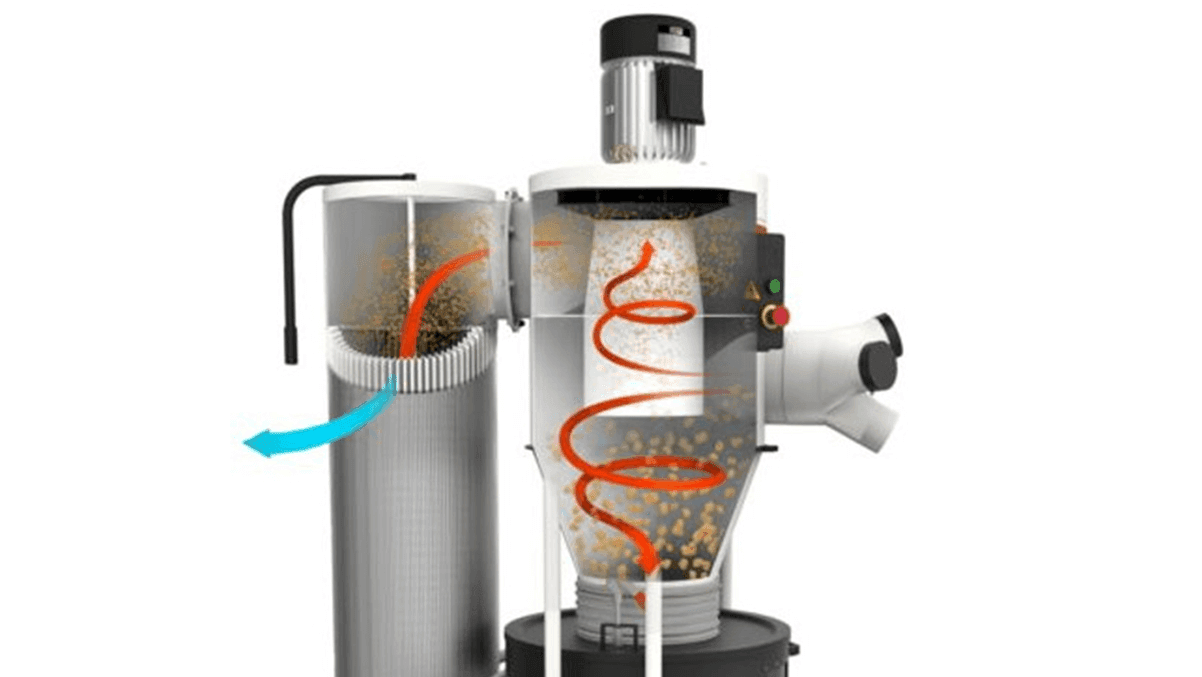
For fine dust, a properly equipped dust extractor or HEPA-filtered vacuum is generally the better choice. Dust collection at the source should remain your first line of defense.
Air blowers are most appropriate for controlled cleanup of loose chips and larger debris, where the material can be moved without creating a significant airborne dust cloud.
When using compressed air for cleaning in workplaces covered by OSHA's general industry standard, OSHA requires pressure below 30 psi under the specified conditions, along with effective chip guarding and personal protective equipment.
Regardless of which device you use, wear appropriate eye protection, keep bystanders clear of flying debris, and never direct airflow toward yourself or another person. Before cleaning machinery, shut it down and follow the manufacturer's maintenance instructions. Avoid blowing chips into bearings, electrical enclosures, or other sensitive components.
See the BLOWZER X6 in Action
In this ToolsToday video, Matt demonstrates the BLOWZER X6 and highlights one of its biggest advantages: convenience. For quick cleanup jobs, having a compact cordless blower within reach can be easier than getting out an air hose.
Meet the BLOWZER X6: A Cordless Alternative for Quick Cleanup
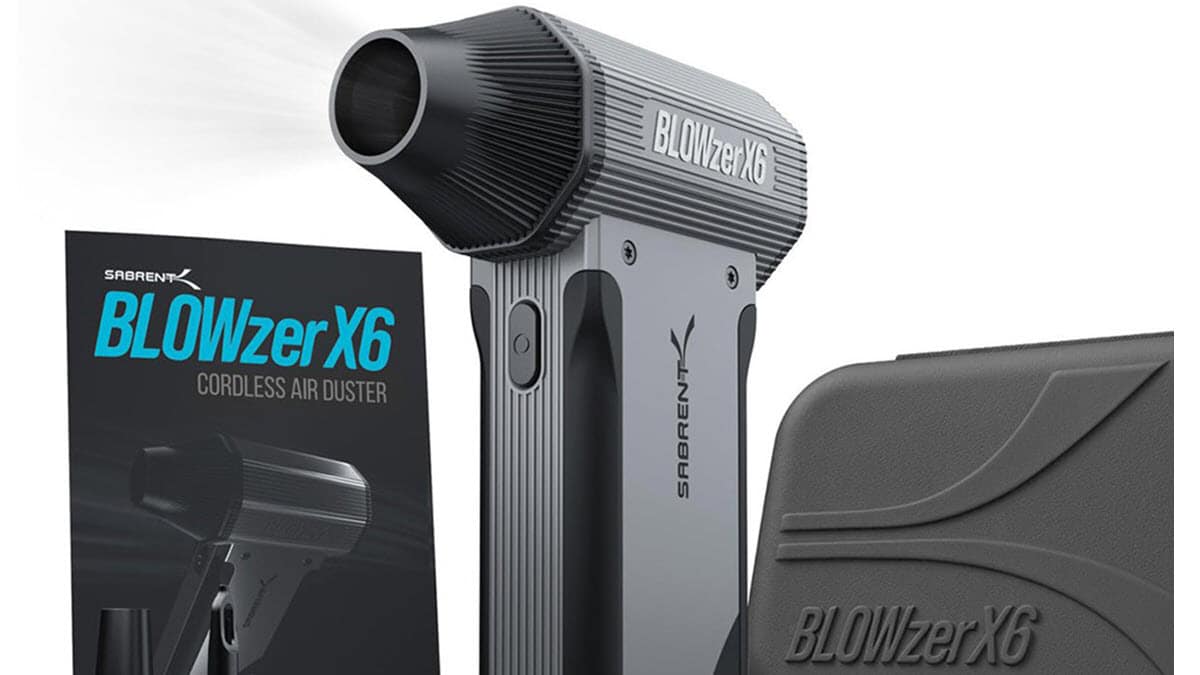
If the idea of a handheld electric blower appeals to you, the BLOWZER X6 by Sabrent is one option worth considering.
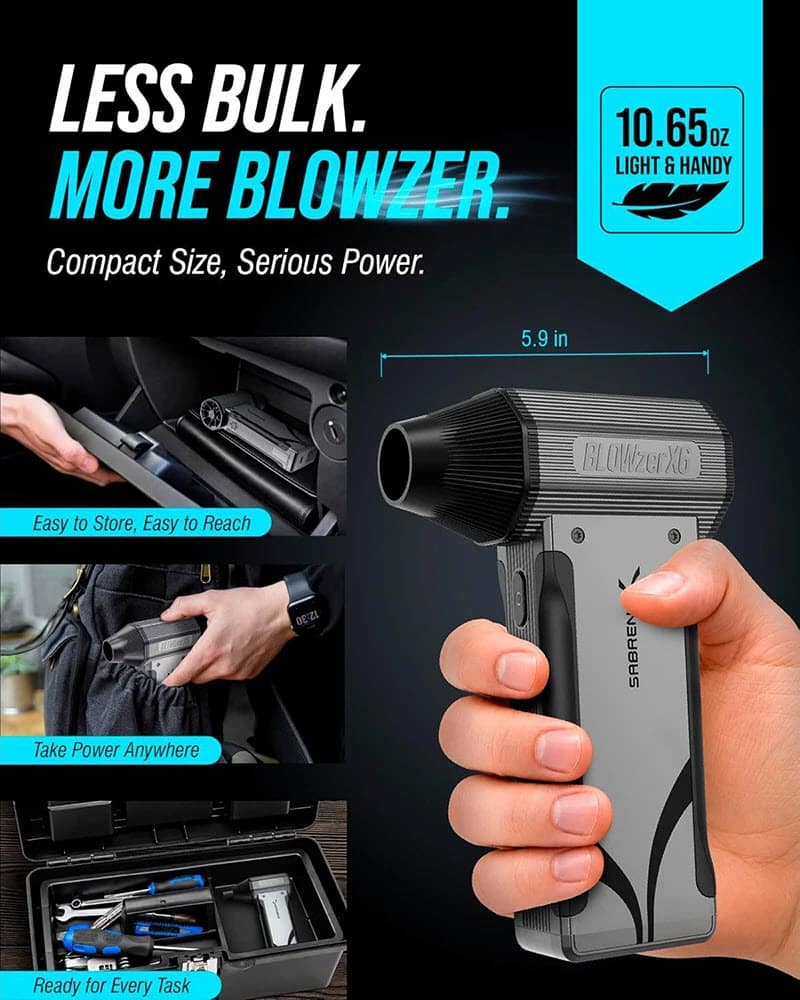
Designed for portable, high-velocity airflow, the BLOWZER X6 packs a powerful motor into a compact, rechargeable device that weighs just 10.65 ounces.
Its features include:
- High-speed brushless motor: Designed to produce concentrated airflow for clearing loose dust and debris.
- Cordless operation: No air hose or external compressor required.
- Three power settings: Adjust airflow to suit different cleanup tasks.
- Five interchangeable nozzles: Options for concentrated airflow, extended reach, wider coverage, and other applications.
- Rechargeable battery: Up to 170 minutes of runtime under the manufacturer's stated conditions, depending on the operating setting.
- Compact design: At just 5.9 inches long, it's easy to keep near a workstation or store in a toolbox.
For woodworkers, the appeal is straightforward: a portable blower that's ready for quick cleanup without the setup associated with compressed air.
It's also versatile enough to use around the garage, in the car, or for everyday household tasks.
Explore the BLOWZER X6 at ToolsToday
The Bottom Line: Do You Really Need an Air Compressor?
If you rely on pneumatic tools or need substantial air pressure, absolutely. An electric air duster isn't a replacement for a workshop air compressor.
But if you're primarily using compressed air to blow loose chips off a workbench or clear small areas between operations, a handheld electric blower may be all you need for those particular jobs.
And if you already own a compressor, there's still a good reason to keep a cordless blower nearby.
Sometimes the best tool isn't the one with the most power. It's the one that's easiest to grab when you need it.
FAQs
Can an electric air blower replace an air compressor?
For some light cleanup tasks, yes. A handheld electric blower can move loose chips and debris without requiring compressed air. However, it cannot power pneumatic tools or replace a compressor for applications requiring substantial air pressure.
Are electric air dusters powerful enough for woodworking?
They can be useful for clearing loose wood shavings, chips, and surface debris from workbenches and accessible fixtures. Their effectiveness depends on the blower's airflow and the type and amount of material being moved. Fine dust should generally be collected with a vacuum or dust extraction system.
Can I use an electric air blower to clean my CNC router?
A handheld blower may be useful for clearing loose chips from accessible CNC workholding surfaces or fixtures after the machine has stopped. Avoid directing debris into bearings, linear guides, electronics, or other sensitive components. Follow the machine manufacturer's cleaning recommendations.
Do cordless electric air blowers need much maintenance?
They generally require less maintenance than tank-based air compressors. Routine care includes keeping air openings clear, cleaning attachments, charging and storing the battery properly, and following the manufacturer's instructions.
Is a handheld electric blower worth buying if I already own an air compressor?
It can be. A cordless blower provides a convenient option for small cleanup jobs, particularly when you don't want to start the compressor or move an air hose. The two tools can complement each other rather than compete.