How CNC Changed Cabinet Making
- CNC didn’t eliminate craftsmanship—it shifted skill toward design, programming, and tooling strategy.
- The bottleneck in cabinet shops moved from machining to CAD design and workflow planning.
- Router bit selection is now critical for edge quality, chip evacuation, and machining efficiency.
- CNC routers allow small cabinet shops to compete with much larger operations.
- Modern cabinet production relies heavily on sheet goods like plywood, MDF, and melamine.
- Advanced materials such as plastics and composites became more practical with CNC machining.
- CNC increases productivity—but mistakes can scale quickly without careful programming.
Table of Contents
- 10 Things Old-School Woodworkers Never Expected
- 1. CNC Didn’t Replace Craftsmanship—It Redefined It
- 2. The Bottleneck Moved from Cutting Parts to Designing Them
- 3. CNC Made the Router Bit More Important Than Ever
- 4. Sheet Goods Became Even More Central to Cabinet Production
- 5. New Materials Became More Practical
- 6. Small Shops Can Do Work That Once Required Much Bigger Operations
- 7. Competition Is Tougher Because More Shops Can Enter the Market
- 8. The Real Barrier to Entry Is No Longer Just the Cost of Equipment
- 9. CNC Did Not Eliminate Mistakes—It Made Them Faster and More Expensive
- 10. Cabinet Making Became Less About Muscle and More About Process
- CNC Router Bit Selection by Material
- So, Did CNC Change Cabinet Making for the Better?
- Final Takeaway
- FAQs
10 Things Old-School Woodworkers Never Expected
If you walked into a cabinet shop 30 years ago, you would have seen table saws running all day, stacks of shop-made jigs, and craftsmen solving problems with setup skill, muscle memory, and experience. Walk into many modern shops today, and you are just as likely to find a CNC router cutting nested parts while the operator stands at a computer refining the next job.
CNC machines didn’t just make cabinet production faster. They changed what a cabinet shop looks like, how work gets done, which materials are practical, and what it means to be skilled in the trade.
Some of those changes were obvious. Others surprised even long-time cabinet-makers.
Here are 10 things old-school woodworkers never expected about how CNC would reshape cabinet making.
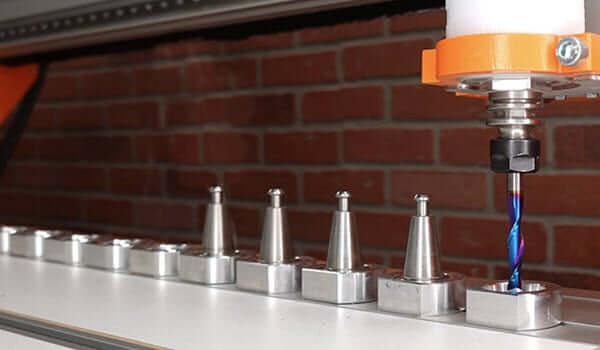
1. CNC Didn’t Replace Craftsmanship—It Redefined It
One of the biggest misconceptions about CNC is that it removed skill from the shop. It didn’t. It changed where that skill lives.
In the past, a great cabinet-maker proved it through perfect setups, clean cuts on conventional machines, and a deep bag of shop tricks. You learned how to build jigs, tune fences, sneak up on dimensions, and make parts fit through experience.
Today, the skill set looks different. A CNC-driven shop still depends on judgment and experience, but those abilities now show up in places like toolpath planning, workholding, feeds and speeds, cutter selection, and material-specific machining strategy.
A modern shop owner may spend less time pushing material through a saw and more time deciding whether a compression bit, an up-cut, or a down-cut will give the cleanest result in a given sheet good. That is still craftsmanship. It is just applied differently.
2. The Bottleneck Moved from Cutting Parts to Designing Them
Before CNC, machining was often the slow part. Breaking down sheets, cutting joinery, boring holes, and repeating parts took time and labor. A lot of a shop’s energy went into physically making the parts.
Now, once the file is ready, CNC can make short work of the cutting.
That has shifted the bottleneck upstream. In many cabinet shops, the slowest and most important part of the process is now the design and programming stage:
- measuring the space accurately
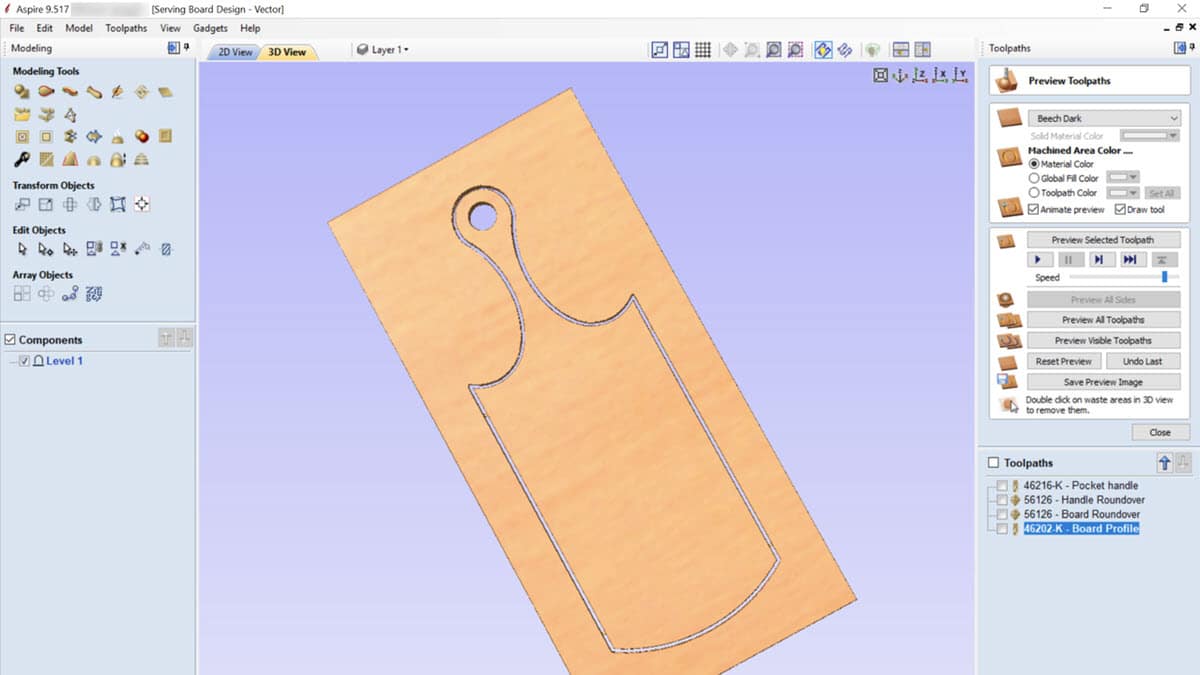
- building the cabinet in CAD
- preparing clean CAM files
- optimizing the nested layout
- choosing the right tooling and cutting strategy
The cutting may be faster than ever, but the thinking has become more important than ever. CNC rewarded shops that are organized, detail-oriented, and strong on the digital side of production.
3. CNC Made the Router Bit More Important Than Ever
Old-school shops always cared about sharp tooling, but CNC elevated the importance of router bit selection to another level. When a machine is following a programmed path at high speed, the cutter geometry matters enormously.
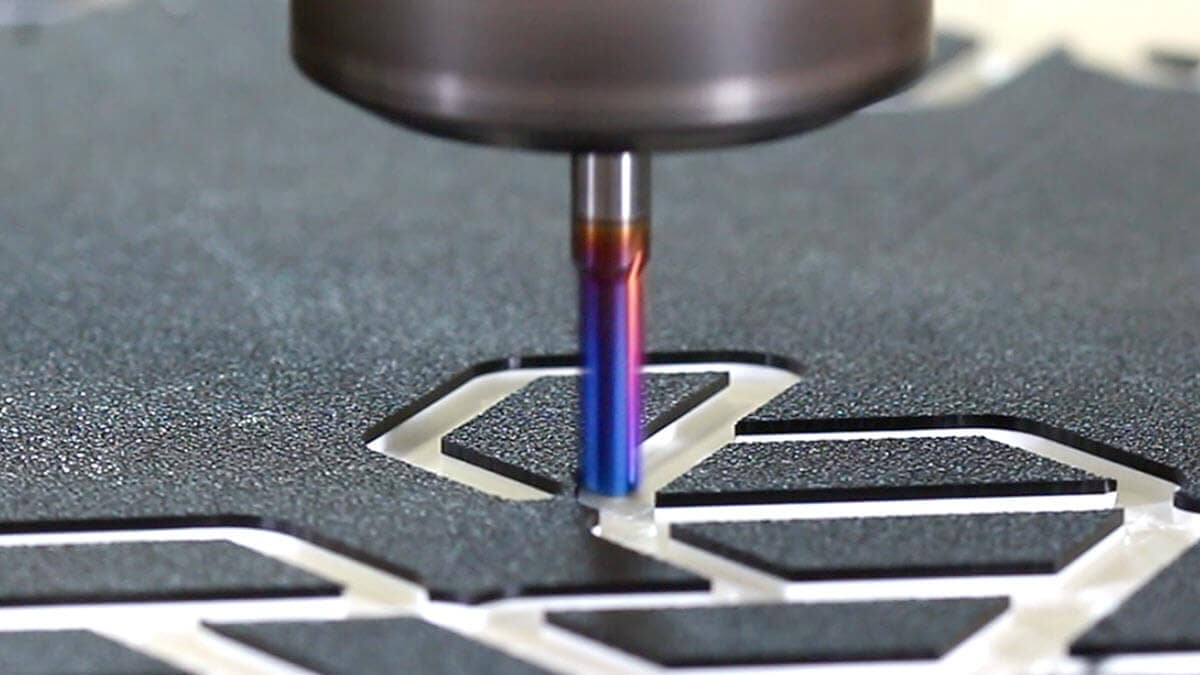
The difference between a clean edge and a chipped edge, smooth evacuation and recutting chips, or efficient machining and costly downtime often comes down to the bit.
That is why modern cabinet shops pay close attention to details like:
- up-cut vs. down-cut vs. compression geometry
- flute length and overall bit rigidity
- chip evacuation
- coatings for heat resistance and wear life
- matching the bit to the material and machine setup
In other words, the CNC machine may get the attention, but the router bit is still where the real cutting happens. In a production environment, the right bit can improve edge quality, reduce scrap, shorten cycle times, and help keep the whole workflow predictable.
4. Sheet Goods Became Even More Central to Cabinet Production
Cabinet shops have long relied on plywood, particle board, and MDF, but CNC pushed sheet processing into the center of the workflow.
That makes sense. CNC routers are exceptionally well suited to nested-based manufacturing, where cabinet parts are cut directly from full sheets. Instead of moving a panel from saw to boring machine to dado setup to shaping station, a CNC can often do much of that in one programmed process.
This changed how shops think about production. Parts can be designed, nested, labeled, and cut in a more integrated way, which makes repeatability easier and reduces handling.
It also made efficiency in sheet layout much more important. Material yield, grain direction, part orientation, and cut sequencing all became part of the conversation. Shops that once focused heavily on machine setup now spend more time thinking about nesting strategies and maximizing usable material from every sheet.
5. New Materials Became More Practical
CNC didn’t just change how cabinet shops cut wood products. It also helped expand the range of materials that shops could use confidently and consistently.
Alongside traditional plywood and MDF, many shops now machine:
- melamine and laminated panels
- veneered composites
- solid surface materials
- plastics such as HDPE and acrylic
- phenolic and specialty composite panels
This relationship goes both ways. Some materials became more attractive because CNC made them easier to process accurately. At the same time, the rise of these materials also pushed CNC tooling and machining strategies to evolve.
For example, cleaner edge requirements in laminated panels increased demand for bit geometries that reduce top and bottom surface tearout. Plastics required attention to chip evacuation and heat management. Shops learned quickly that the wrong bit in the wrong material could ruin an otherwise perfect setup.
So yes, materials changed over the decades. And in many cases, CNC both influenced that shift and had to adapt to it.
6. Small Shops Can Do Work That Once Required Much Bigger Operations
One of the most significant changes in cabinet making is how much capability a small shop can now have.
Years ago, if you wanted to compete seriously in production cabinetry, you needed a serious collection of machines, a well-developed workflow, and often more people. Today, one CNC router can take on work that used to require multiple stations and a larger crew.
A well-run smaller shop can use CNC to:
- cut cabinet parts accurately and repeatedly
- bore shelf pin holes and hardware locations
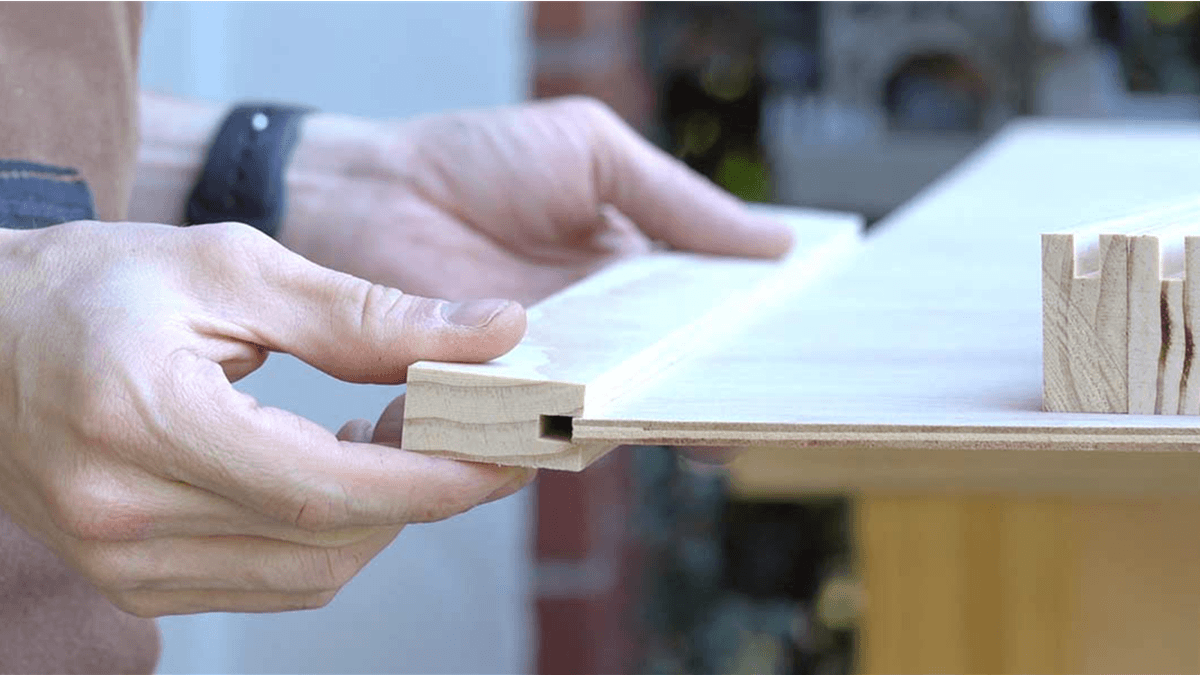
- machine joinery
- create custom shapes and cutouts
- handle one-off customization without rebuilding jigs
That has opened doors for independent shops and owner-operators. A lean team can now produce a level of precision and consistency that would have been much harder to achieve decades ago.
For the right business owner, CNC can absolutely make it easier to launch or scale a cabinetry business. But that does not mean it is easy.
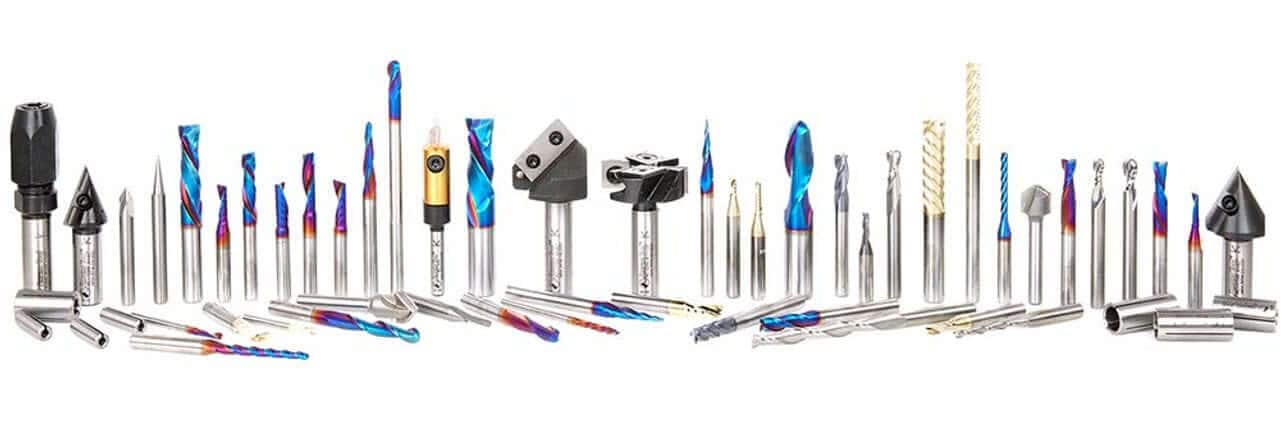 Amana Tool® router bits feature superior cutting edges, mirror-like finish (where appropriate), balancing, carbide of different grades for different materials/applications and excellent tool design to allow for repeat sharpening.
Shop CNC Master Router Bit Collection
7. Competition Is Tougher Because More Shops Can Enter the Market
Here is one of the more surprising realities of the CNC era: the same technology that empowers small shops also increases competition.
When more people have access to capable machines, design software, and online learning, more businesses can get into custom cabinetry, closets, furniture, and built-ins. That means customers have more options, and shops have to work harder to stand out.
Today, you are not just competing on your ability to cut accurate parts. You are competing on:
- design quality
- turnaround time
- installation experience
- specialization
- branding and reputation
- communication with clients
CNC lowered some technical barriers, but it raised expectations. Customers now assume clean execution, consistency, and customization. That means the competitive edge often comes from workflow, service, and niche expertise—not just machine ownership.
8. The Real Barrier to Entry Is No Longer Just the Cost of Equipment
When people ask whether it is more or less expensive to start a cabinetry business today, the answer is complicated.
In some ways, the barrier to entry is lower. There are more machine options, more financing paths, and more software resources than ever before. Shops do not necessarily need the same lineup of traditional equipment that was once required.
But the cost question does not stop at the machine.
The real barrier today is the knowledge stack. A successful CNC-based cabinetry business depends on understanding far more than how to make a cut. You need competence in:
- CAD and CAM software
- toolpath logic
- feeds and speeds
- workholding and vacuum or fixture strategy
- tooling selection
- material behavior
- maintenance and troubleshooting
In that sense, the modern cabinet-maker is part woodworker, part production manager, and part manufacturing engineer. The machine may be easier to buy than ever before, but building a reliable, profitable workflow still takes real expertise.
9. CNC Did Not Eliminate Mistakes—It Made Them Faster and More Expensive
This is something every experienced shop learns sooner or later: CNC does not prevent errors. It scales them.
With traditional methods, a mistake might show up on one part. With CNC, a wrong dimension, bad offset, incorrect tool selection, or poorly planned toolpath can ruin an entire sheet—or several—before you catch it.
That is why process discipline matters so much in CNC cabinet making. Shops that thrive tend to build systems around:
- verifying dimensions before production
- checking files carefully
- using proven tooling for known materials
- staying consistent with feeds, speeds, and cut depths
- testing new setups before scaling them
For old-school woodworkers, this was a surprising shift. The machine looks smart, but it only executes what you tell it to do. CNC rewards preparation. It punishes assumptions.
10. Cabinet Making Became Less About Muscle and More About Process
One of the biggest long-term changes in the trade is that cabinet making is no longer centered only on physical machine skill. It is increasingly about process control.
That includes:
- digital design
- repeatable part libraries
- efficient job setup
- predictable machining
- organized assembly flow
- consistent tooling decisions
The old shop was often built around the experience of a few highly skilled individuals who knew how to make things happen on the floor. The modern CNC shop still values experience, but it also depends heavily on systems that can be repeated, documented, and improved over time.
That may be the biggest change of all. Cabinet making used to be dominated by manual operations. Today, the best shops think like manufacturers.
CNC Router Bit Selection by Material
| Material | Recommended Bit Type | Why It Works |
|---|---|---|
| Plywood | Compression bit | Prevents tear-out on both top and bottom surfaces. |
| Melamine | Compression or downcut bit | Keeps laminated surfaces clean and chip-free. |
| MDF | Up-cut bit | Improves chip evacuation and cutting efficiency. |
| HDPE / Plastics | O-flute bit | Prevents melting and clears chips effectively. |
Recommended CNC Router Bits for Cabinet Making
So, Did CNC Change Cabinet Making for the Better?
In most ways, yes. CNC brought greater precision, better repeatability, easier customization, and more production capacity to shops of every size. It helped smaller operations compete, made advanced part processing more accessible, and expanded what many cabinet-makers can offer their customers.
But it also changed the demands of the job. It raised the importance of software, tooling, process discipline, and digital planning. It increased competition. And it made success less about owning a machine and more about knowing how to use the entire system well.
That is the real story of CNC in cabinet making. It did not just speed up the old way of doing things. It created a new way of running a shop.
Final Takeaway
For long-time cabinet-makers, the surprising part was never that CNC could cut parts quickly. The surprising part was how deeply it changed everything around the cut: design, materials, tooling, staffing, competition, and the economics of the trade.
And for newer shops, that lesson still matters. CNC is a powerful advantage, but only when it is paired with the right workflow, the right tooling, and a clear understanding of how modern cabinet production really works.
Because in the end, the machine does not build a great cabinet shop by itself. People, process, and precision still do.
FAQs
How did CNC machines change cabinet making?
CNC machines changed cabinet making by automating many of the cutting and drilling tasks that once required multiple machines and setups. A CNC router can cut cabinet parts, drill shelf pin holes, machine joinery, and create custom shapes in one workflow. This improves accuracy, repeatability, and production speed while allowing shops to handle more complex designs.
Do CNC machines replace traditional woodworking skills?
No. CNC machines change where skill is applied rather than eliminating it. Modern cabinet makers must understand CAD design, toolpaths, feeds and speeds, workholding, and tooling selection. Experience with materials and machining strategy remains essential for producing clean cuts and reliable results.
Why are router bits so important in CNC cabinet making?
Router bits determine cut quality, efficiency, and tool life in CNC machining. The correct bit geometry—such as compression, up-cut, or down-cut—helps reduce tear-out, improve chip evacuation, and produce cleaner edges in sheet goods like plywood, MDF, and melamine. Choosing the right bit for the material is critical for professional results.
What materials are commonly used in CNC cabinet making today?
Modern CNC cabinet shops commonly machine plywood, MDF, particle board, and melamine panels. Many shops also work with laminate panels, acrylic, HDPE, and solid surface materials. CNC routers make it easier to process these materials accurately and consistently.
Does CNC make it easier to start a cabinet making business?
CNC technology can make it easier for small shops to compete because one machine can perform many operations that once required multiple tools. However, starting a CNC-based shop still requires knowledge of design software, machining strategies, and production workflows. The biggest barrier today is often technical knowledge rather than equipment alone.
Can a small shop compete with larger cabinet manufacturers using CNC?
Yes. CNC routers allow smaller shops to produce precise parts and repeatable results similar to larger operations. Combined with strong design capabilities and efficient workflows, CNC helps independent shops compete in custom cabinetry and specialty furniture markets.
Do CNC machines eliminate mistakes in cabinet production?
No. CNC machines can actually make mistakes happen faster if a file or toolpath is incorrect. Because CNC machines follow programmed instructions exactly, errors in design, dimensions, or tooling can affect an entire sheet of material. Careful planning and verification are essential before production cutting begins.
What is the biggest advantage of using a CNC machine for cabinet making?
The biggest advantage of CNC in cabinet making is precision and repeatability. A CNC router can cut cabinet parts, drill holes, and machine joinery exactly the same way every time. This improves consistency, reduces errors, and allows shops to produce complex designs efficiently from digital files.
What router bits are best for CNC cabinet making?
Compression router bits are commonly used for CNC cabinet making because they reduce tear-out on both the top and bottom surfaces of plywood and melamine. Up-cut bits are often used for chip evacuation in deep cuts, while down-cut bits provide cleaner top edges for laminated materials.
Do professional cabinet shops use CNC machines?
Yes. Many professional cabinet shops rely on CNC routers for cutting cabinet parts, drilling shelf holes, machining joinery, and producing repeatable components. CNC machines improve efficiency and accuracy, making them a central tool in modern cabinet manufacturing.