How to Properly Store Wood to Prevent Warping and Damage
Table of Contents
Wood is a natural material that expands and contracts as it absorbs and releases moisture. Even properly dried lumber can warp, cup, twist, or crack if stored incorrectly.
Whether you're keeping a few boards for your next project or maintaining a larger supply of hardwood and plywood, good storage habits can save money, reduce waste, and help ensure your wood is ready when you need it.
1. Keep Wood Off the Floor
Never store lumber directly on concrete, especially in garages, basements, or workshops where moisture can be an issue.
Concrete can transfer moisture to wood, leading to uneven expansion, staining, or mold growth.
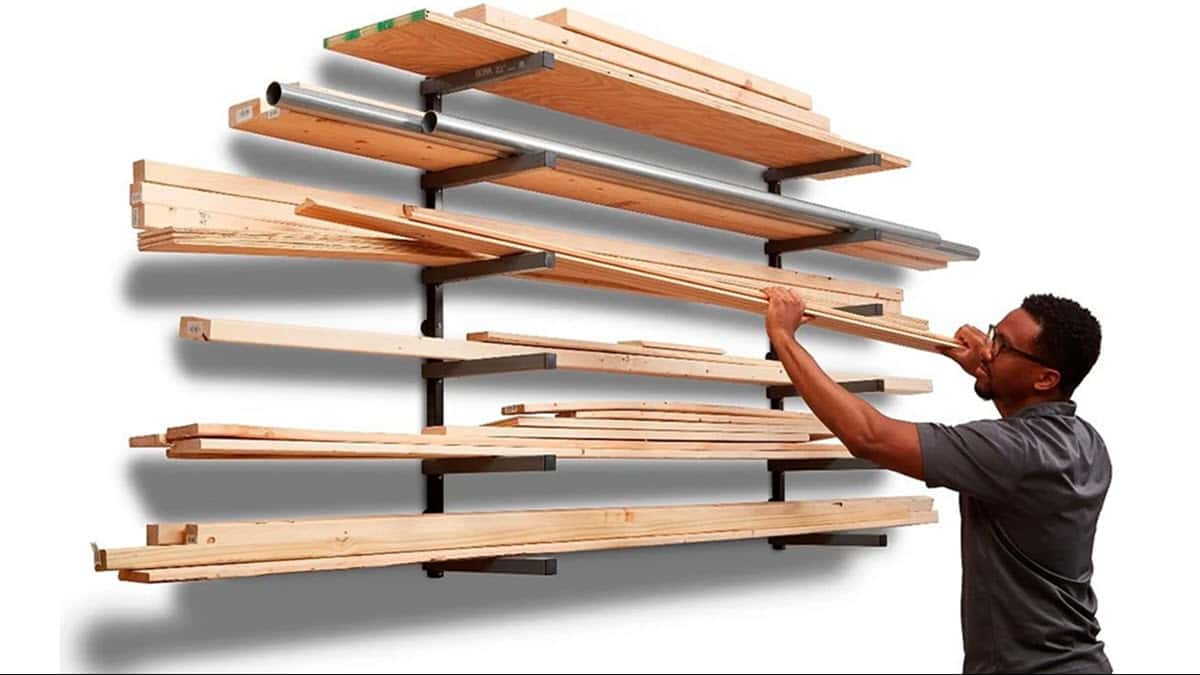
Instead, store lumber on racks, shelves, or evenly spaced supports that allow air to circulate underneath.
2. Store Boards Flat and Properly Supported
For most lumber, horizontal storage is the safest choice.
- Keep boards flat, with supports spaced evenly along their length.
- Align supports vertically when stacking multiple layers.
- Avoid leaving long boards unsupported in the middle.
- Keep heavy materials off thin or delicate boards.
Vertical storage can work for shorter boards, but they should be secured to prevent tipping or bending.
3. Control Humidity and Temperature
Moisture changes are one of the biggest causes of wood movement.
Store lumber in a dry, well-ventilated area with reasonably stable humidity and temperature. Avoid placing wood near heaters, air-conditioning vents, direct sunlight, or damp exterior walls.
For indoor furniture and cabinetry projects, allow lumber to acclimate to the workshop environment before cutting and assembly.
Tip: A moisture meter can help you check whether lumber is ready for your project. For many indoor woodworking applications, a moisture content around 6–8% is common, although the ideal range depends on your location and the conditions where the finished project will be used.
4. Use Stickers When Stacking Lumber
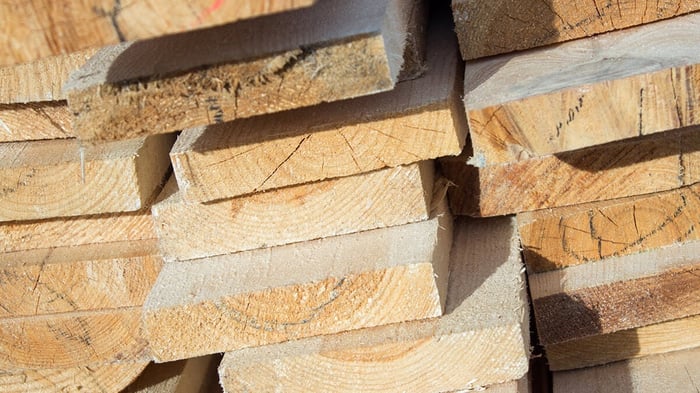
If you're storing rough-sawn lumber or boards that still need to dry, place narrow, uniform strips of wood called stickers between layers.
Stickers allow air to circulate around the boards, helping moisture escape more evenly.
Position stickers directly above one another throughout the stack to prevent boards from sagging or developing permanent bends.
For fully dried lumber in a controlled environment, tightly stacked boards generally need less airflow between layers.
5. Store Plywood and Sheet Goods Carefully
Plywood, MDF, and other sheet materials need proper support to prevent bending and edge damage.
Ideally, store sheets flat on a level platform with support across their entire surface.
If space is limited, sheets can be stored vertically in a purpose-built rack that supports the bottom edges and keeps the panels nearly upright.
Avoid leaning unsupported sheets against a wall for extended periods.
6. Protect Wood Without Trapping Moisture
Keep lumber away from rain, spills, and excessive dust, but avoid wrapping it tightly in plastic if moisture may be present.
Plastic can trap condensation and encourage mold.
If you must store lumber outdoors, elevate it above the ground and use a weather-resistant cover that protects the top while allowing ventilation along the sides.
For long-term storage of green lumber, sealing the end grain with an appropriate end sealer can help reduce end checking and splitting.
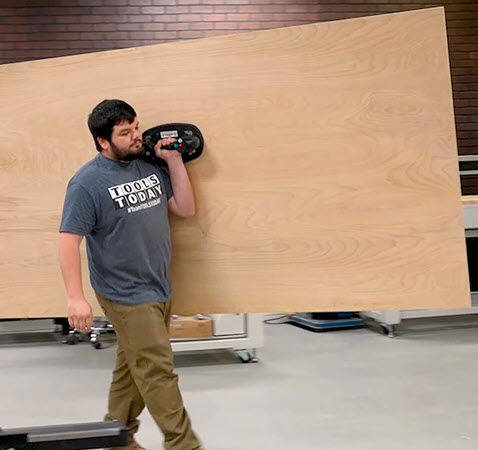 Grabo PRO 20 Professional Electronic Vacuum Lifter is capable of lifting almost any surface weighing up to 375 lbs ( 170 kgs), including uneven and slightly porous surfaces.
Quick Wood Storage Checklist
- Keep lumber elevated above the floor.
- Support boards evenly to prevent sagging.
- Maintain stable humidity and temperature.
- Allow lumber to acclimate before use.
- Use stickers when air-drying lumber.
- Store plywood flat or in a properly designed vertical rack.
- Protect wood from moisture without trapping condensation.
The Bottom Line
Proper wood storage doesn't require expensive equipment. A sturdy lumber rack, good airflow, and attention to moisture can make a significant difference.
A little care today helps prevent warped boards, damaged sheet goods, and wasted material tomorrow.
FAQs
Is it better to store lumber vertically or horizontally?
Horizontal storage is generally best for long boards because it provides more consistent support. Vertical storage works for shorter pieces if they're properly secured and supported.
Can wood warp even after it has been kiln-dried?
Yes. Kiln-dried wood can still absorb or release moisture as humidity changes, potentially causing cupping, twisting, or other movement.
Should I cover stored lumber with plastic?
Avoid tightly wrapping lumber in plastic if moisture could become trapped. In damp or outdoor environments, use a protective cover that allows ventilation.
How long should wood acclimate before woodworking?
It depends on the lumber's initial moisture content, thickness, and workshop conditions. Several days to a few weeks may be appropriate, but a moisture meter is more reliable than relying on time alone.
Can plywood be stored standing up?
Yes, provided it's stored in a suitable rack that supports the bottom edges and prevents the sheets from bending. Flat storage with full support is preferable when space allows.
What is the best humidity level for storing woodworking lumber?
For many indoor woodworking environments, relative humidity around 35–55% is a reasonable target. The most important factor is maintaining conditions similar to those where the finished project will be used.