9 Router Bits Every Small Woodworking Business Needs
Table of Contents
- Quick Take: What to Buy First
- Why These 9 Router Bits Matter
- 1. Flush Trim Bit (Template Work)
- 2. Straight Bit
- 3. Roundover Bit
- 4. Chamfer Bit
- 5. Cove Bit
- 6. Rabbeting Bit
- 7. V-Bit (Signs & Personalization)
- 8. Spiral Upcut Bit
- 9. Spiral Downcut Bit
- If You Do X → You Need This Bit
- Common Mistakes (Wrong Bit = Bad Results)
- Upgrade Path: Starter → Pro
- Final Takeaway
- FAQs
If you're running a small woodworking business, your router bits need to do real work—not sit in a drawer.
The right core set lets you cut cleaner, work faster, and take on more jobs without constantly buying specialty tooling. Whether you're building furniture, cabinets, signs, or small-batch products, these 9 router bits cover the majority of what actually happens in a shop.
This is not about owning everything. It’s about owning the right tools that pay for themselves.
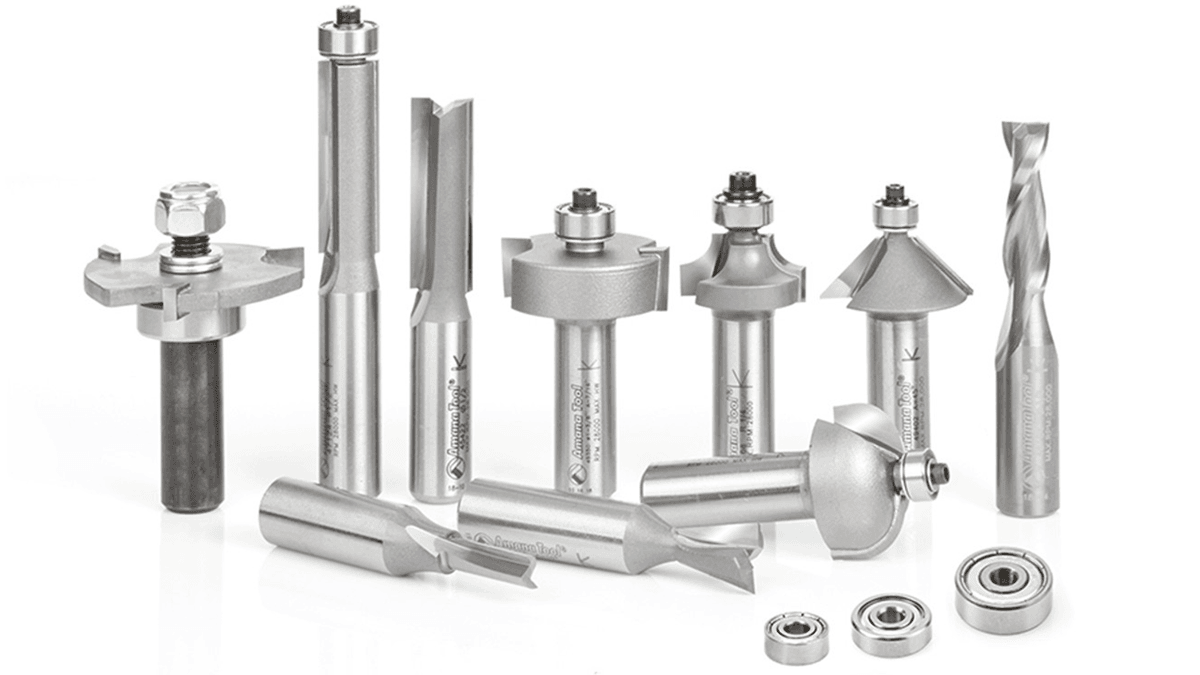
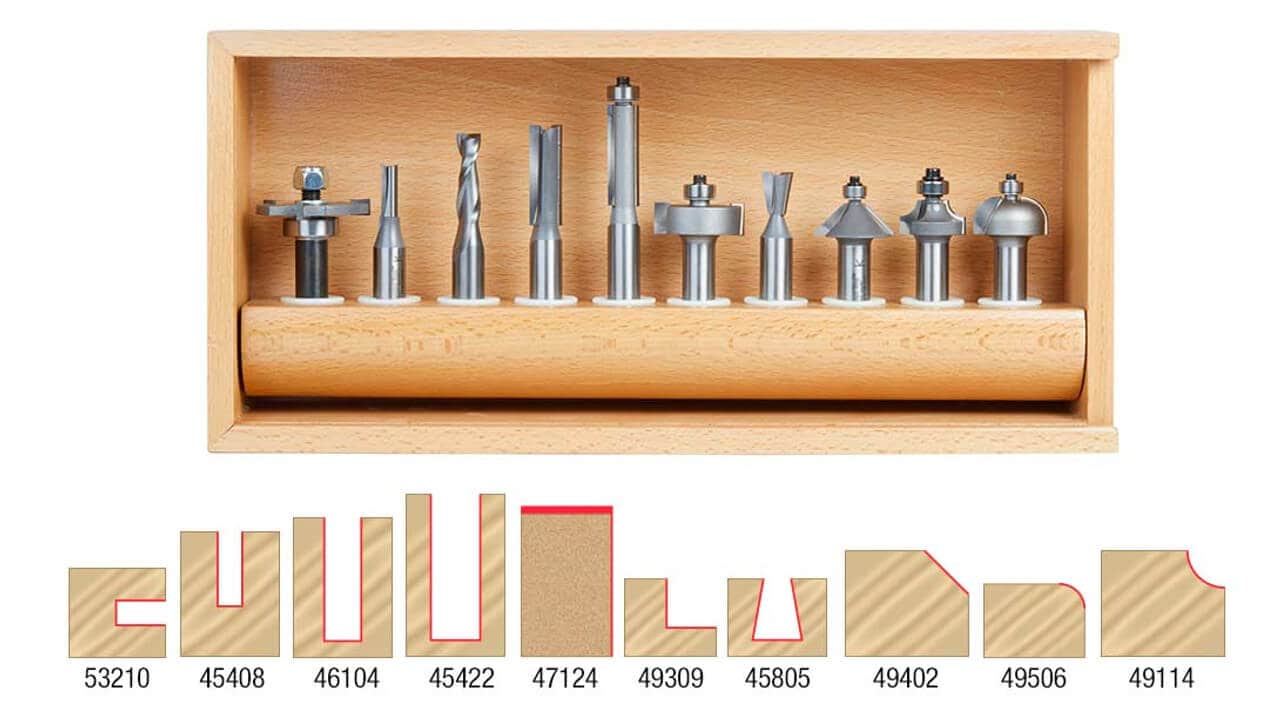 AMS-410 Must-Have Router Collection (with 1/2" Shanks) Includes (left to right): Slotting Cutter System, with 3 Wing Cutter & 3 Ball Bearing Guides (to adjust depth); 1/4" Diameter Straight Plunge High Production Bit; 3/8" Diameter Spiral Plunge Bit / Upcut; 1/2" Diameter Straight Plunge Bit; 1/2" Diameter Flush Trim Bit; 1/2" Deep Rabbeting Bit; 10 Degree Dovetail Bit; 45 Degree Chamfer Bit; 1/4" Radius Corner Round Bit; 3/8" Radius Cove Bit
Quick Take: What to Buy First
If you're building your first serious set, start here:
- Flush Trim Bit – for templates, duplication, and clean edges
- Straight Bit – for grooves, dados, and general cutting
- Roundover Bit – for easy, sellable edge finishing
- Rabbeting Bit – for joinery and back panels
- Spiral Downcut Bit – for clean top edges in plywood and laminates
Then expand based on your work:
- Add Chamfer for modern edges
- Add Cove for decorative profiles
- Add V-bit for signs and personalization
- Add Spiral Upcut for faster cutting and CNC work
Why These 9 Router Bits Matter
Small shops don’t win by having the most tools. They win by having the most useful tools.
Every bit on this list helps you:
- Produce repeatable parts
- Deliver clean, professional finishes
- Expand into higher-value products
- Reduce sanding, rework, and wasted material
If a bit doesn’t help you do at least one of those, it probably doesn’t belong in your core kit.
1. Flush Trim Bit (Template Work)
What it does
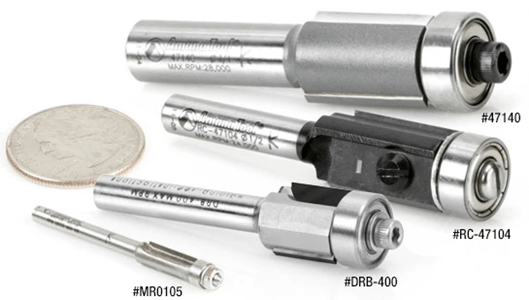
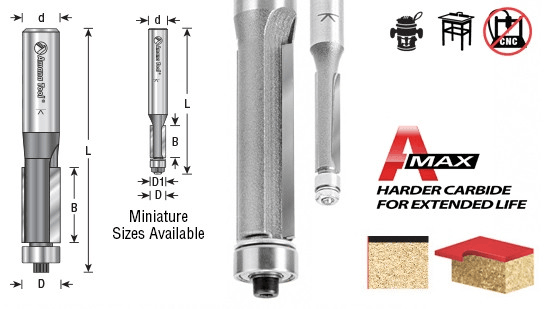
A flush trim bit uses a bearing to follow a template or reference edge and cut your workpiece to match it exactly.
Why it matters
This is how small shops scale. One good template turns into 10, 50, or 500 identical parts.
- Perfect for repeatable production
- Essential for curves and shapes
- Cleans up rough cuts fast
How to choose
Pick based on bearing position (top vs bottom), cut length, and material thickness. For heavier work, go with a 1/2" shank for better stability.
2. Straight Bit
What it does
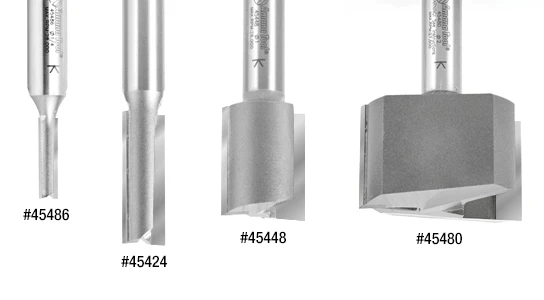
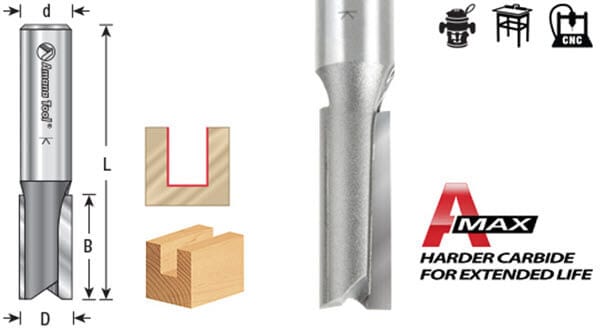
The go-to utility bit. Cuts grooves, dados, mortises, and pockets.
Why it matters
If you're doing joinery, hardware installs, or basic routing, you’ll use this constantly.
- Grooves and dados
- Mortises
- General cutting tasks
How to choose
Match the diameter to your most common cuts. Smaller for detail, larger for strength. If your router allows it, 1/2" shank = smoother, more stable cuts.
3. Roundover Bit
What it does
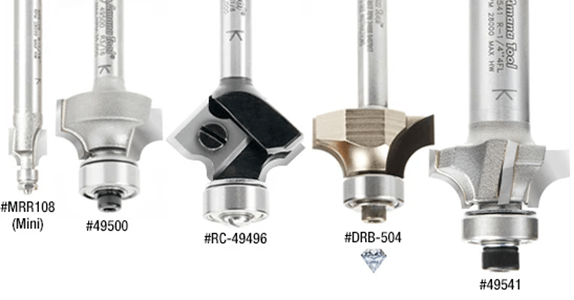
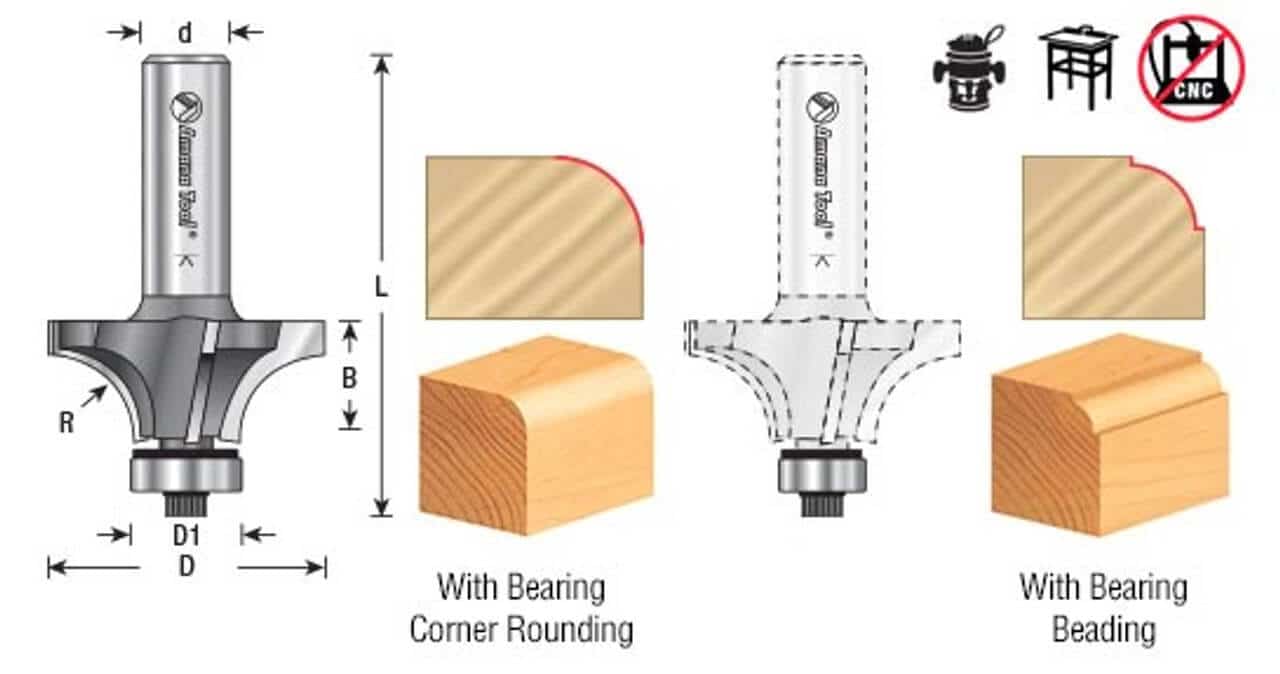
Rounds over sharp edges into a smooth radius.
Why it matters
This is one of the fastest ways to make a product feel finished—and more valuable.
- Furniture edges
- Shelves and tops
- Boxes and small products
How to choose
The radius determines the look. Small = subtle. Large = bold and tactile. Choose based on your product style.
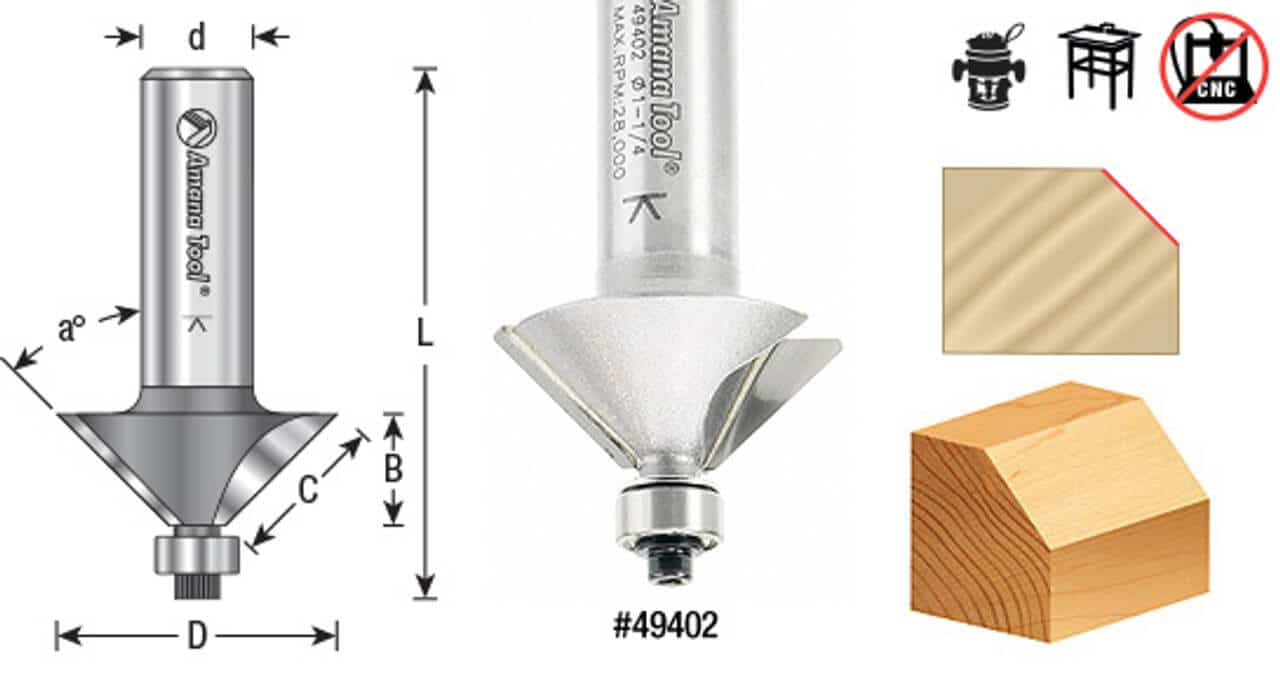
4. Chamfer Bit
What it does
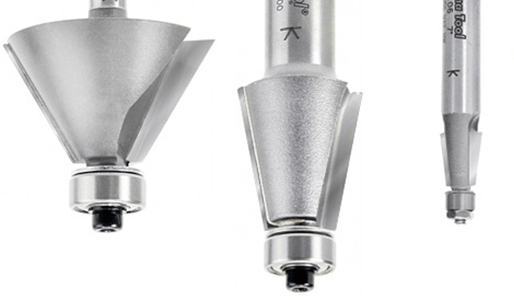
Cuts a beveled edge instead of a rounded one.
Why it matters
Clean, modern, and easy to control. Many shops use this instead of a roundover for a sharper look.
- Modern furniture
- Boxes and casework
- Quick edge breaks
How to choose
Look at the angle and cutting height. A bearing-guided version keeps results consistent across batches.
5. Cove Bit
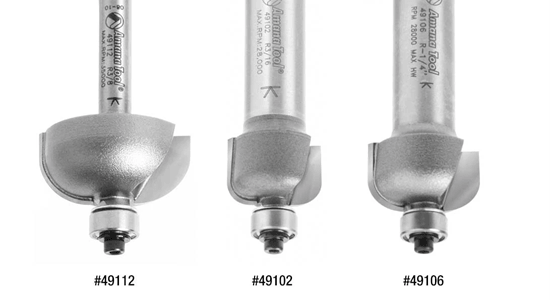
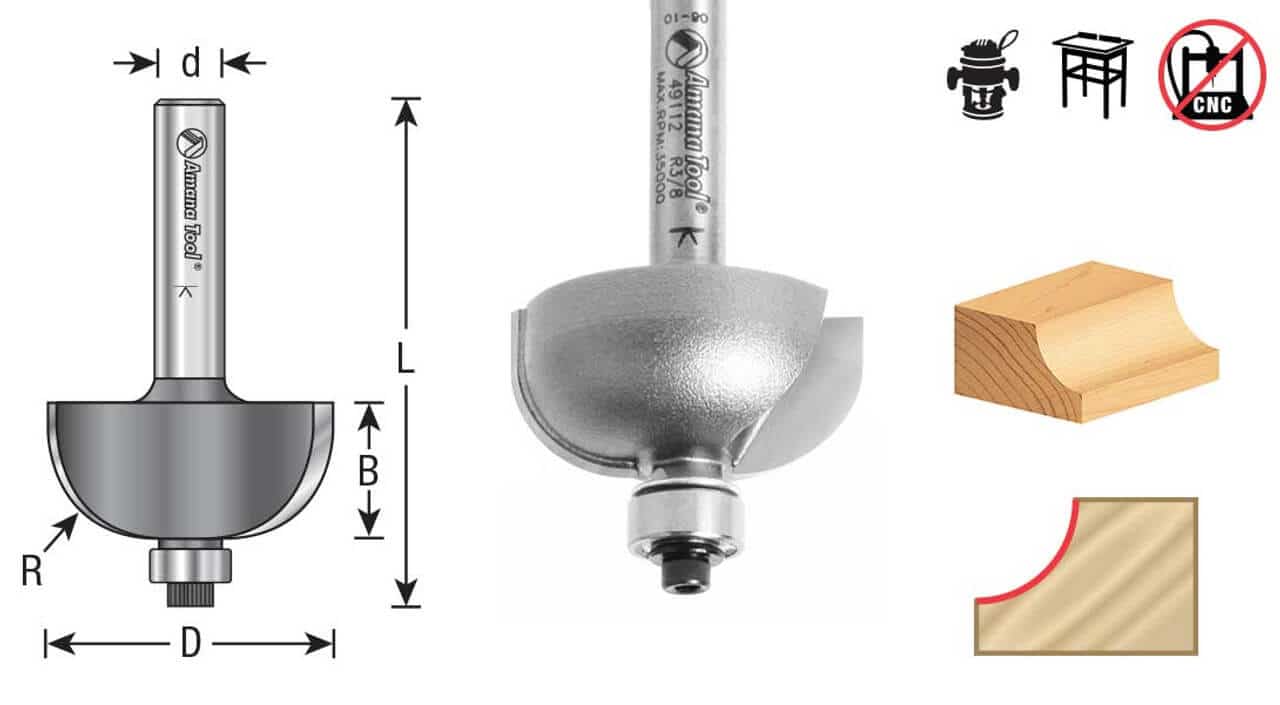
What it does
Creates a concave (inward-curving) profile.
Why it matters
Not every shop needs it daily—but it’s a simple way to add decorative value and stand out.
- Frames and plaques
- Decorative edges
- Traditional designs
How to choose
Smaller coves = subtle detail. Larger coves = more visual impact. Choose based on your product line.
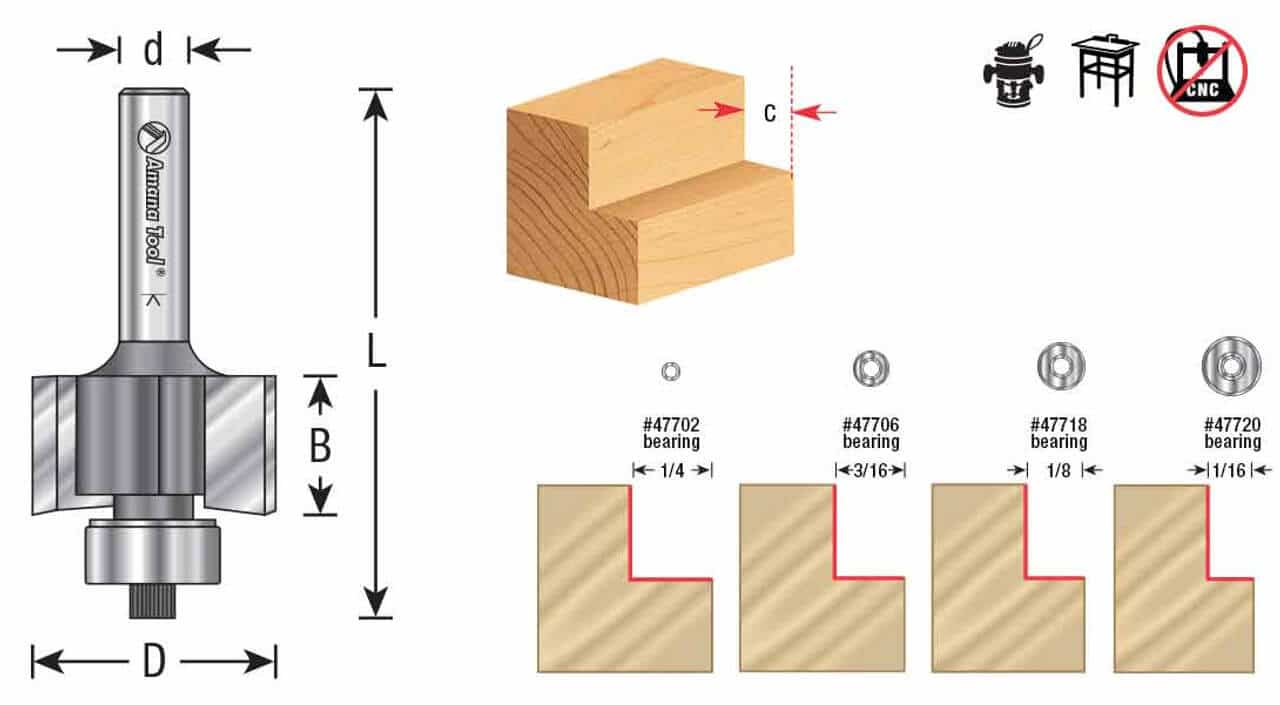
6. Rabbeting Bit
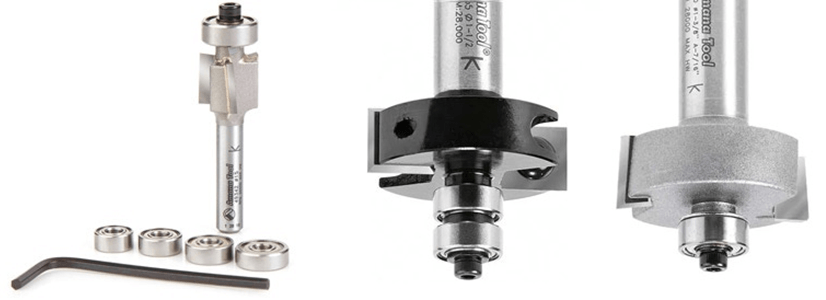
What it does
Cuts a shoulder (rabbet) along the edge for joinery and panel fitting.
Why it matters
This is a workhorse for cabinets, boxes, and casework.
- Back panels
- Drawer bottoms
- Basic joinery
How to choose
Look for sets with interchangeable bearings so you can adjust rabbet size without buying multiple bits.
7. V-Bit (Signs & Personalization)
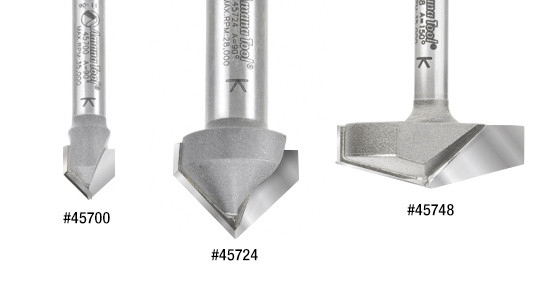
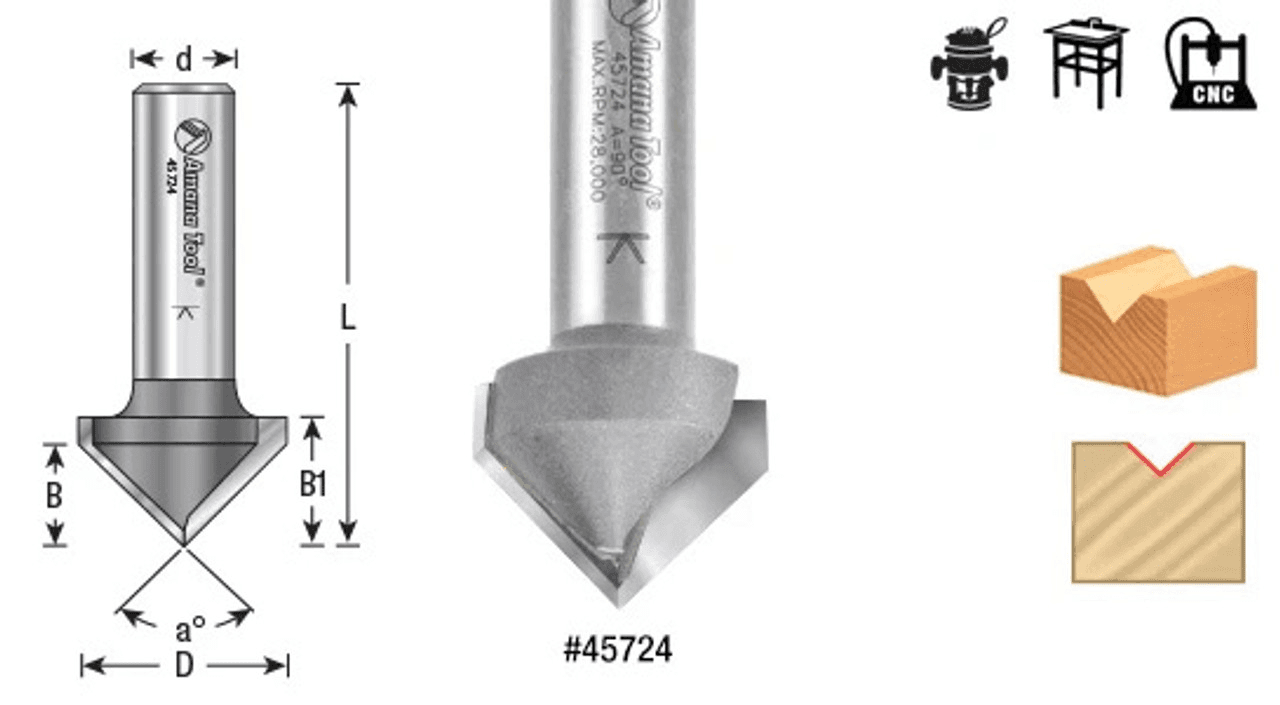
What it does
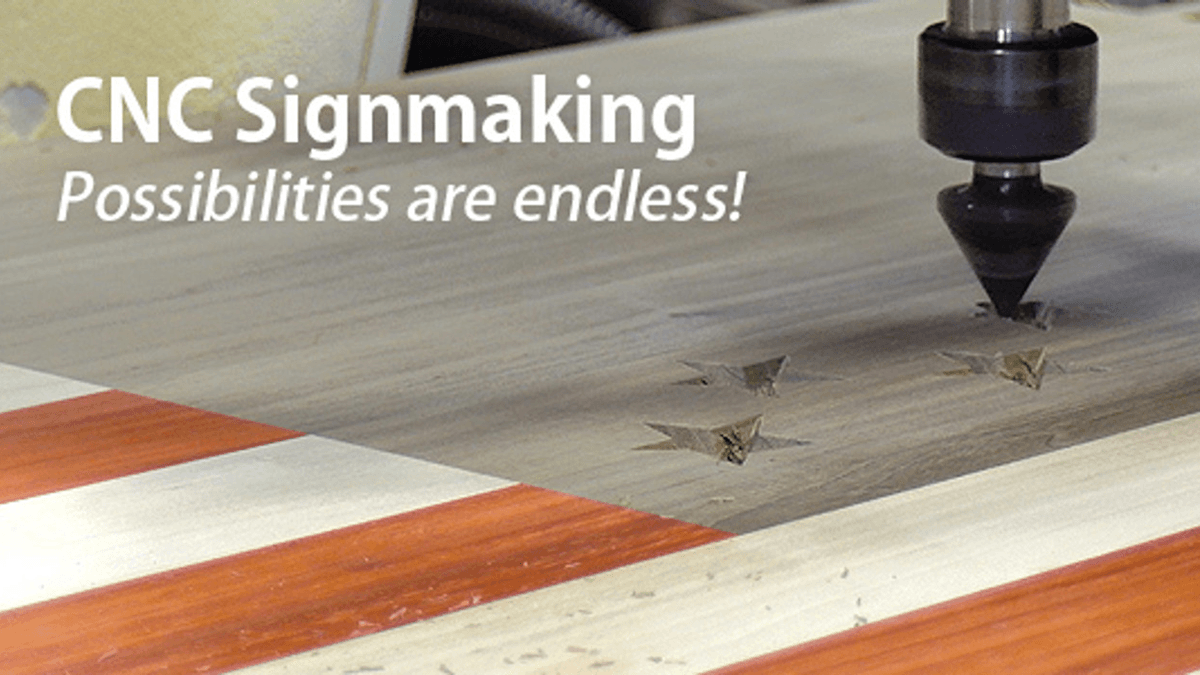
Cuts angled grooves for lettering, engraving, and decorative lines.
Why it matters
This bit can unlock entirely new revenue streams—signs, gifts, branding, personalization.
How to choose
The angle determines detail vs boldness. Narrow = fine detail. Wide = bold, readable cuts.
8. Spiral Upcut Bit
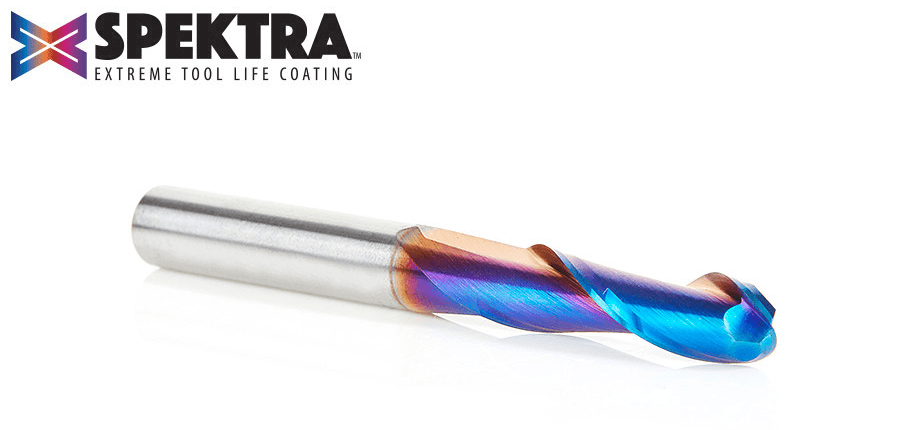
What it does
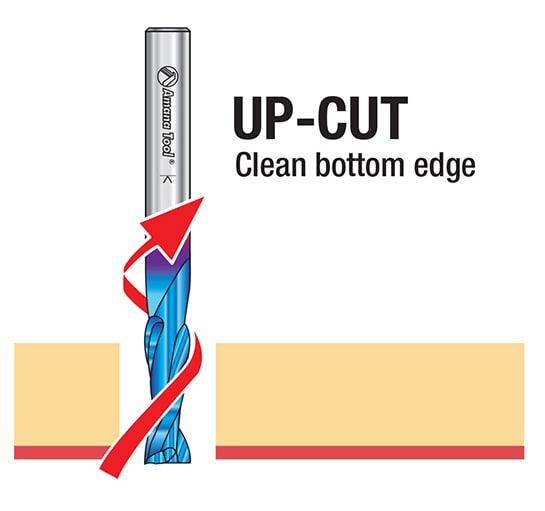
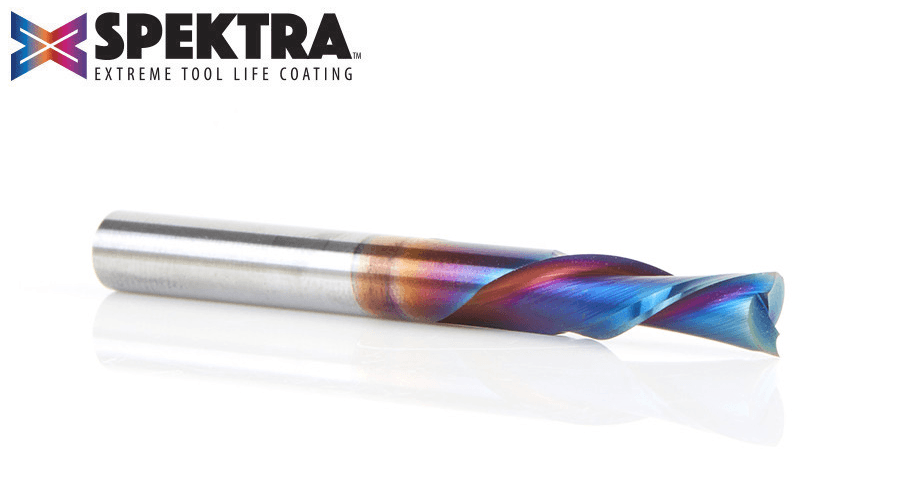
Pulls chips upward, improving chip evacuation and cutting efficiency.
Why it matters
Great for deeper cuts, faster feed rates, and CNC roughing.
- Grooves and slots
- Mortises
- CNC work
How to choose
Choose based on diameter and cut depth. Just remember: upcut bits can leave a rougher top edge.
9. Spiral Downcut Bit
What it does
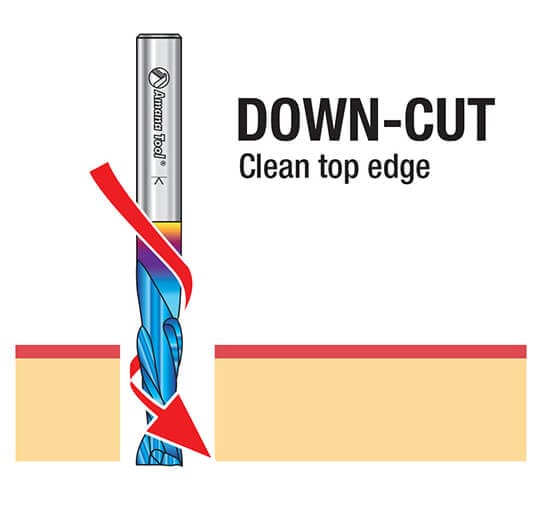
Pushes fibers downward for a cleaner top surface.
Why it matters
If you work with plywood, laminates, or finished surfaces, this is critical for clean results.
- Clean top edges
- Cabinet parts
- CNC finish passes
How to choose
Best for shallow to moderate cuts where surface quality matters most. Pair with an upcut bit when needed.
If You Do X → You Need This Bit
- Templates / repeat parts → Flush Trim
- Grooves / joinery → Straight Bit
- Sellable edges → Roundover
- Modern look → Chamfer
- Decorative detail → Cove
- Cabinets / boxes → Rabbeting
- Signs / personalization → V-Bit
- Fast cutting / CNC → Upcut
- Clean top finish → Downcut
Common Mistakes (Wrong Bit = Bad Results)
- Using the wrong spiral direction
Upcut = better chip removal, rougher top edge. Downcut = cleaner top, worse chip evacuation. - Skipping flush trim for repeat work
Templates + flush trim = consistency. Guesswork = inconsistency. - Choosing edge profiles randomly
Your edge style affects how your product feels—and sells. - Buying specialty bits too early
Master the core set first. That’s where most revenue comes from. - Using small shanks for heavy cuts
When possible, 1/2" shank = better control and less vibration.
Upgrade Path: Starter → Pro
Starter
- Flush trim
- Straight
- Roundover
- Rabbeting
Growth
- Chamfer
- Spiral downcut
- Spiral upcut
Expansion
- V-bit
- Cove
- Additional sizes of your most-used bits
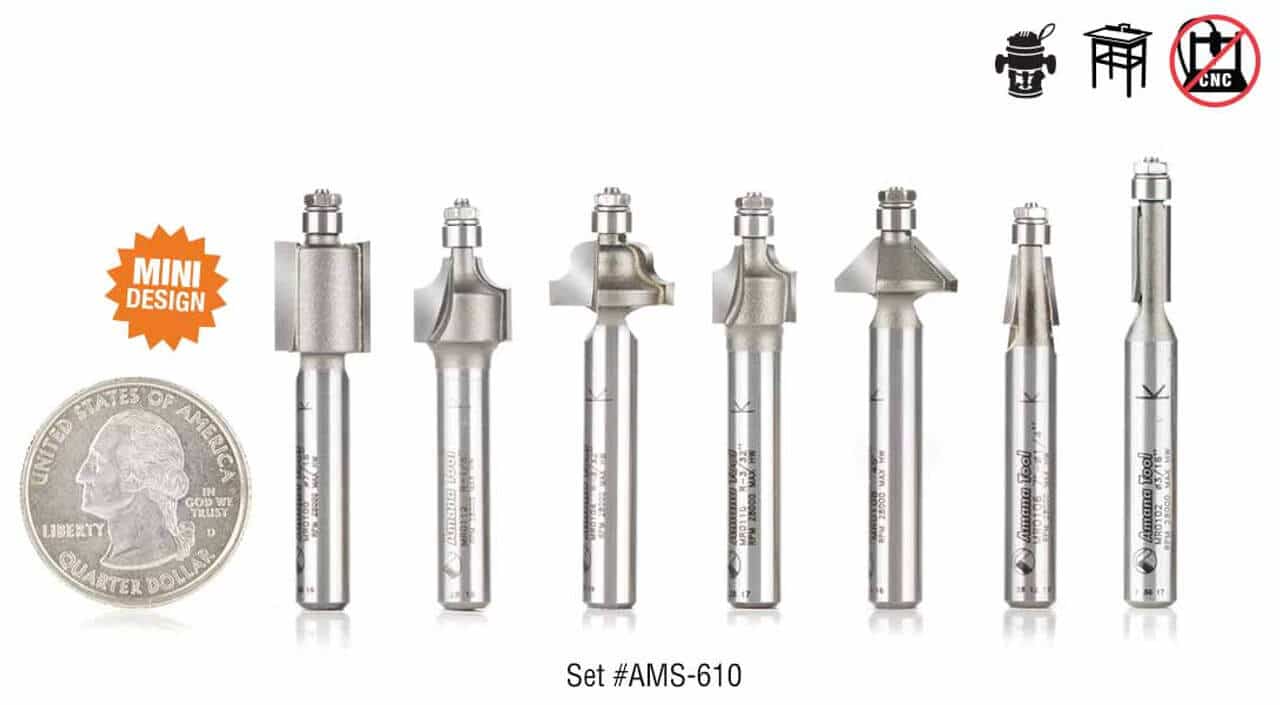 Amana Tool Miniature Router Bits Available Individually or in Packs (3 to 8 different bits per pack) - Great for detail work!
Final Takeaway
The goal is not to own more bits. It’s to own the right bits for the work you actually do.
For most small woodworking businesses, these 9 router bits cover the majority of real-world jobs—and open the door to cleaner work, faster production, and higher-value products.
Start with the core. Expand with purpose. And let your tooling grow with your business.
FAQs
What router bits should a small woodworking business start with?
Start with a flush trim bit, straight bit, roundover bit, rabbeting bit, and a spiral downcut bit. This core set covers most real shop work—templates, joinery, edge finishing, and clean cuts.
What’s the difference between upcut and downcut spiral bits?
Upcut bits clear chips faster and are better for deep cuts, but can leave a rough top edge. Downcut bits give a cleaner top surface, making them ideal for plywood and finished materials.
Which router bit is best for clean, professional-looking edges?
Roundover bits create smooth, friendly edges, while chamfer bits produce sharp, modern lines. The best choice depends on your product style.
What router bit do I need for signs or personalization?
A V-bit. It’s designed for lettering, engraving, and decorative lines—and is essential for signmaking and custom work.