How to Organize Your Workshop for Maximum Efficiency
Table of Contents
- 1. Organize Your Shop Around Workflow
- 2. Protect Your Open Work Surfaces
- 3. Build Around Infeed and Outfeed Space
- 4. Use Multipurpose Tables and Mobile Workstations
- 5. Store Frequently Used Tools Within Easy Reach
- 6. Use Vertical Storage to Save Floor Space
- 7. Create Dedicated Setup Zones
- 8. Keep Dust Collection and Cords From Interrupting Workflow
- 9. Avoid Overcrowding the Shop
- Final Thoughts
- FAQs
An efficient workshop is not just a clean workshop. It is a shop where tools are easy to reach, materials move smoothly from one step to the next, and there is enough open space to actually get work done.
Whether you work in a garage shop, small production space, CNC workshop, or professional woodworking shop, organization has a direct impact on speed, safety, accuracy, and overall productivity.
The goal is not to fit as many tools as possible into the room. The goal is to create a workspace that supports the way you actually build.
1. Organize Your Shop Around Workflow
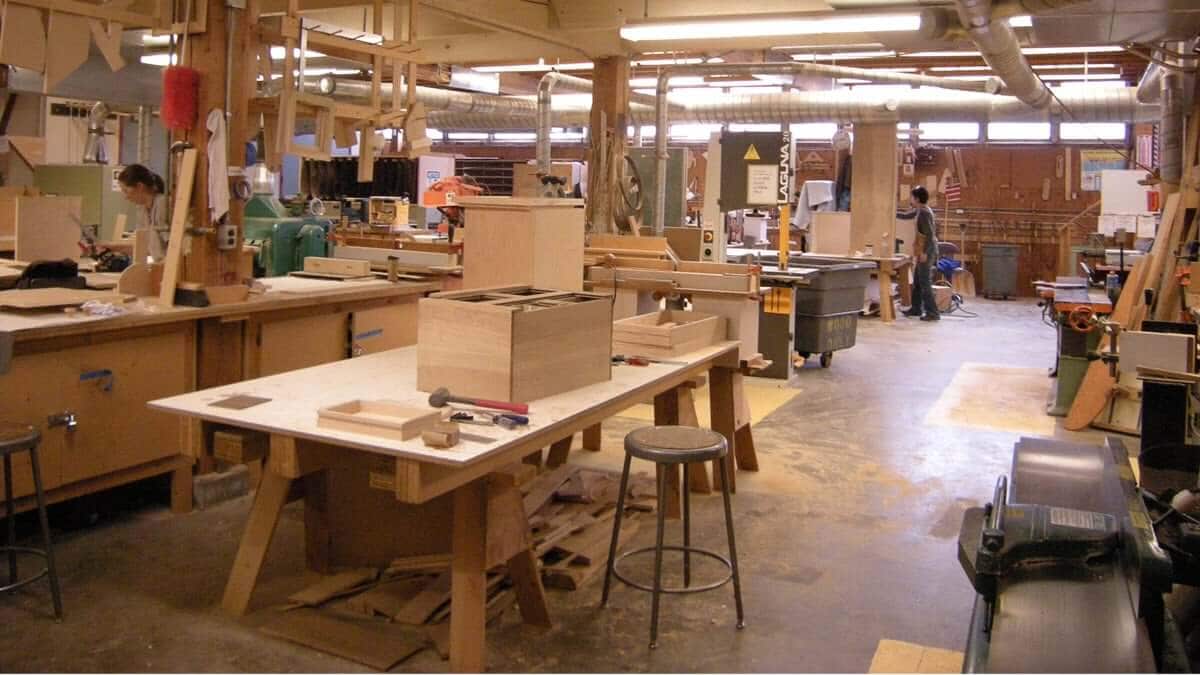
One of the biggest workshop organization mistakes is arranging tools by category instead of by process. A more efficient shop is organized around the natural flow of work.
For many woodworking projects, that flow looks something like this:
- Material storage
- Rough cutting or breakdown
- Milling and shaping
- Routing, drilling, or CNC machining
- Sanding
- Assembly
- Finishing
When tools and workstations are arranged in the same order as your process, you reduce unnecessary walking, lifting, searching, and backtracking.
2. Protect Your Open Work Surfaces
Usable work surface is one of the most valuable assets in any shop. A bench, outfeed table, assembly table, or rolling cart can quickly become a dumping ground for tools, offcuts, hardware, and half-finished parts.
To keep your shop efficient, protect at least one clear work surface at all times. This gives you room to measure, mark, assemble, inspect, and stage parts without constantly moving clutter out of the way.
In many shops, the best organization upgrade is not another cabinet — it is creating more uninterrupted space to work.
3. Build Around Infeed and Outfeed Space
Machines need more room than their footprint suggests. A table saw, planer, jointer, miter saw, router table, or CNC machine may fit in the shop, but it still needs space for material to enter and exit safely.
Before placing a machine, think about the full path of the board, panel, or workpiece. Make sure long stock can move through the cut without hitting walls, cabinets, other machines, or stored materials.
Good infeed and outfeed support can improve both safety and cut quality. It also makes the shop feel less frustrating to use.
4. Use Multipurpose Tables and Mobile Workstations
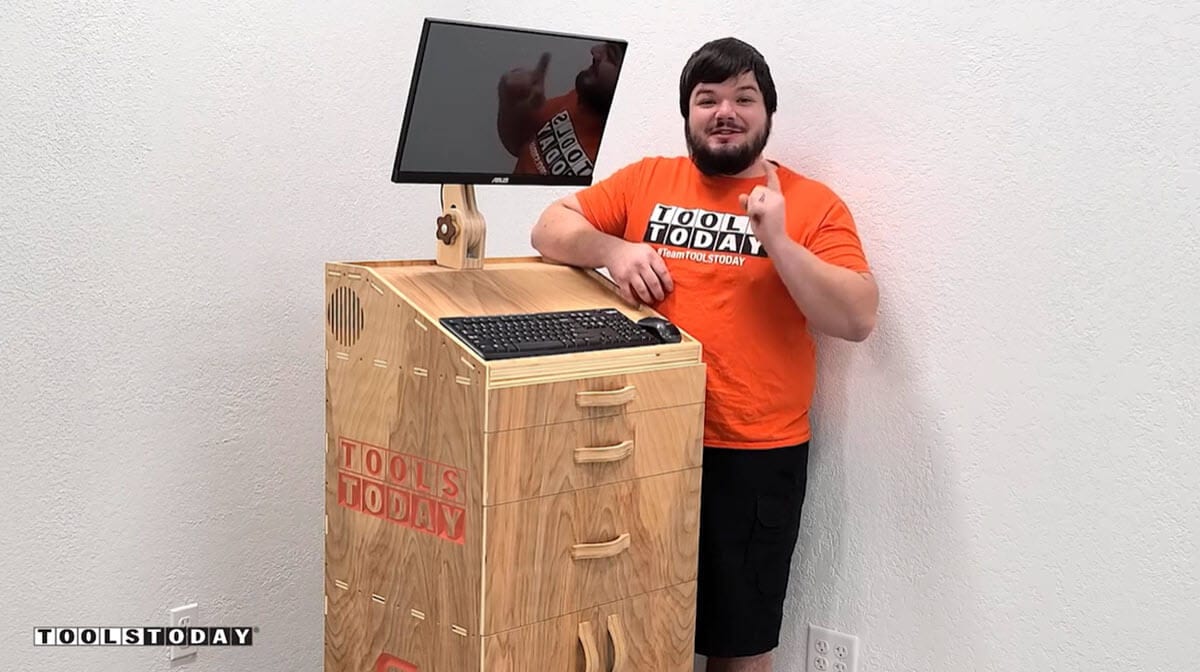
In small shops, every surface should work hard. A large outfeed table can also serve as an assembly table. A rolling cart can hold tools, accessories, and project parts. A mobile workbench can create temporary space where you need it most.
Multipurpose workstations are especially helpful for:
- Assembly
- Sanding
- Tool setup
- CNC accessories
- Clamping and glue-ups
- Temporary staging
The key is flexibility. If a surface can support multiple tasks without becoming permanent clutter, it can make the whole shop more efficient.
5. Store Frequently Used Tools Within Easy Reach
The tools you use every day should not be buried in drawers or stored across the shop. Keep your most-used tools and accessories close to the workstations where you need them.
This may include:
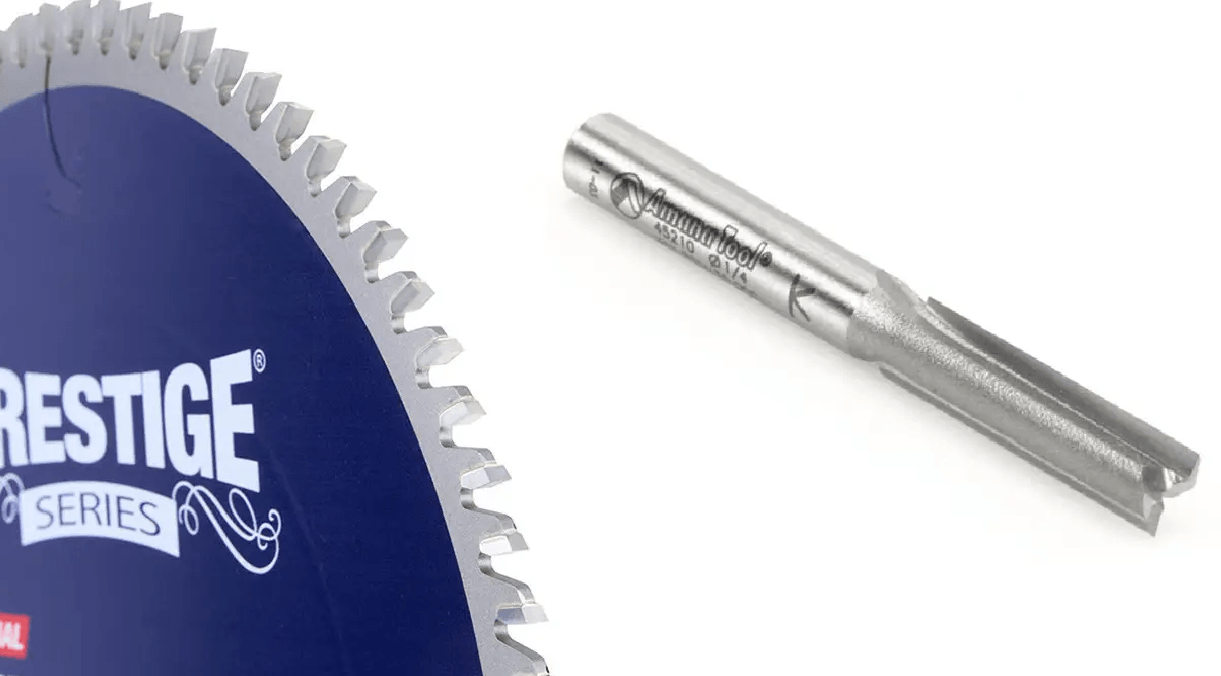
- Router bits
- Drill bits
- Collets
- Wrenches
- Setup blocks
- Squares
- Calipers
- Push blocks
- Measuring tools
A simple rule: the more often you use something, the easier it should be to access.
6. Use Vertical Storage to Save Floor Space
Floor space is precious. Whenever possible, move storage off the floor and onto the walls.
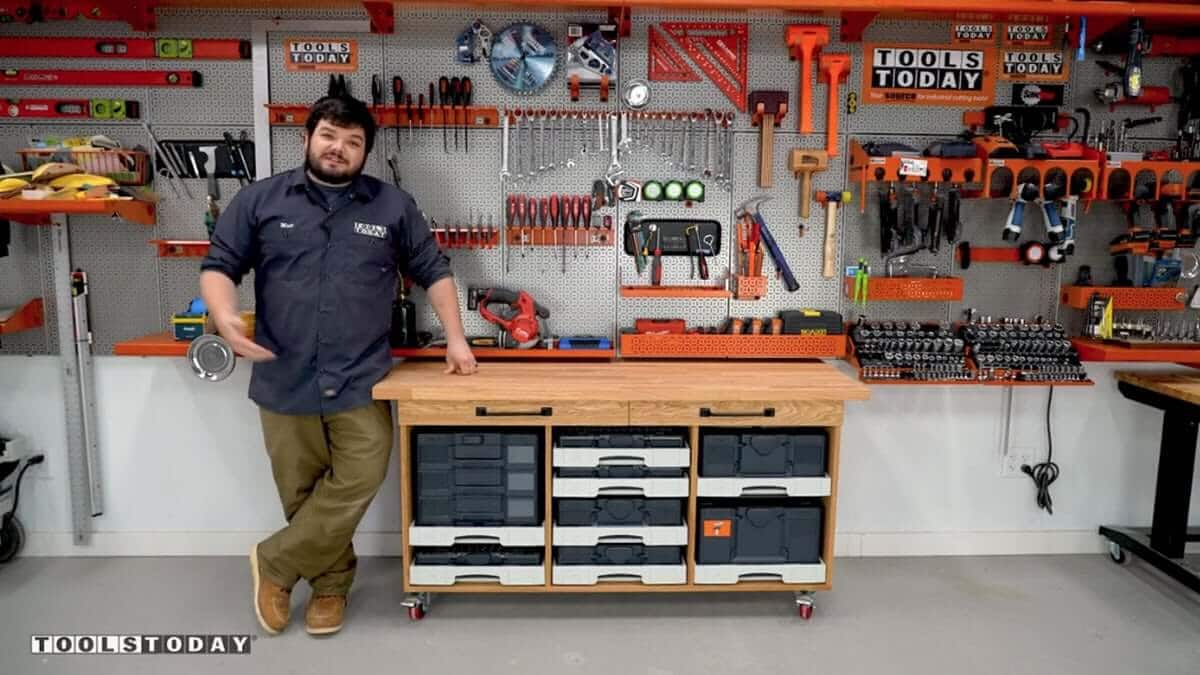
Vertical storage works well for clamps, jigs, templates, blades, sanding supplies, hand tools, router bit cases, and CNC accessories. French cleats, wall racks, pegboards, shelves, and labeled bins can all help keep tools visible and accessible.
The advantage is not just neatness. When tools are stored vertically, your benches and floor stay clearer for actual work.
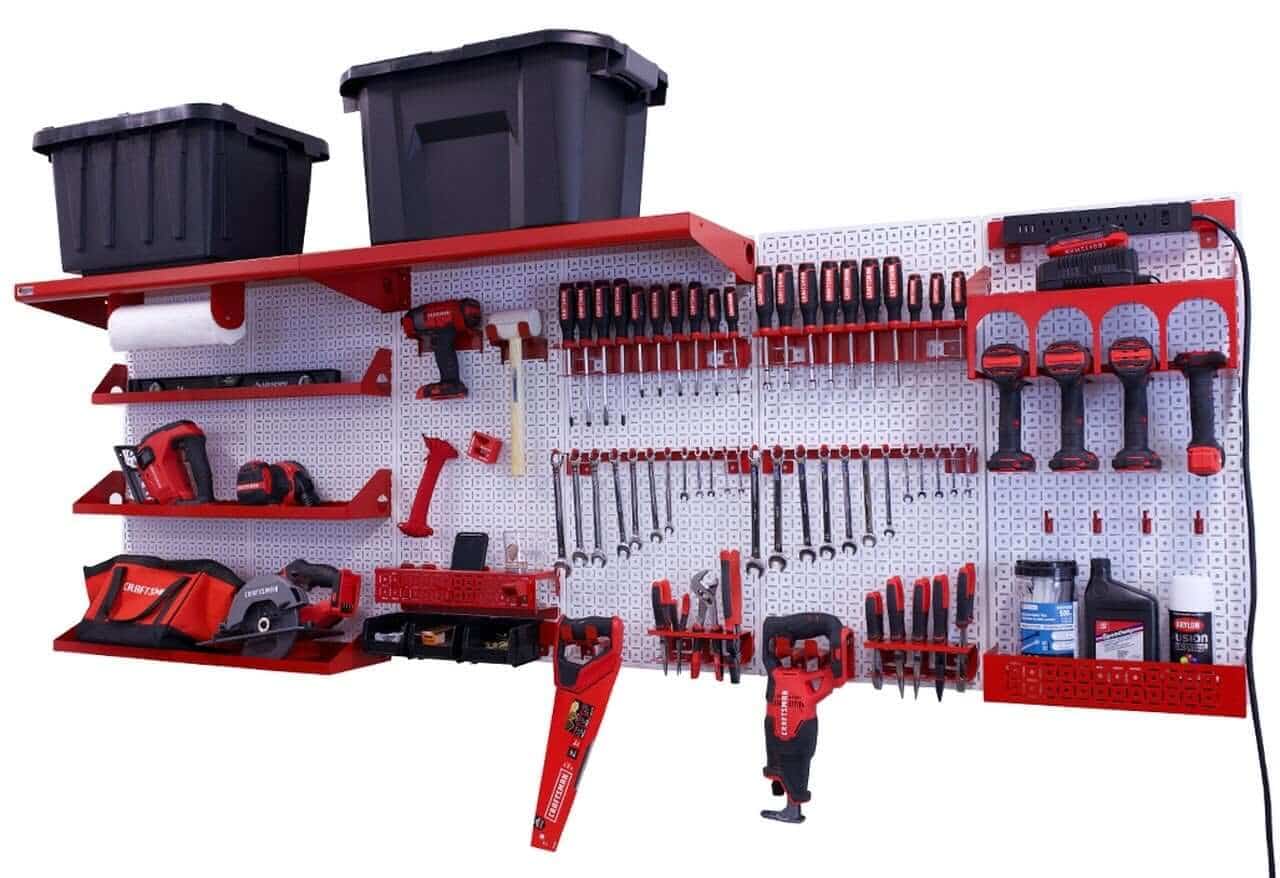 OmniWall Weekend Warrior Ultimate Tool Kit - your ultimate tool and accessory organizer - includes accessories for your hammers, screwdrivers, wrenches, power drills and more!
 7. Create Dedicated Setup Zones
Repeated setup tasks can waste a surprising amount of time. If you regularly change router bits, adjust CNC tooling, swap blades, calibrate machines, or prepare sanding supplies, create a dedicated setup area.
Keep related items together so the full task can happen in one place. For example, a router bit setup area might include bits, collets, wrenches, setup gauges, cleaning supplies, and storage trays.
A well-organized setup zone reduces mistakes, saves time, and keeps small but important accessories from getting lost.
8. Keep Dust Collection and Cords From Interrupting Workflow
Dust collection, vacuum hoses, air lines, and power cords are essential, but they can quickly create clutter and trip hazards if they are not planned carefully.
Use quick-connect fittings, overhead hose management, wall-mounted hose storage, labeled blast gates, and dedicated vacuum locations where possible. The goal is to make dust collection easy enough that you actually use it consistently.
A cleaner shop improves visibility, reduces cleanup time, and helps protect both tools and workpieces.
9. Avoid Overcrowding the Shop
More tools do not automatically make a shop more efficient. In fact, adding too many machines, carts, cabinets, and storage units can slow everything down if they reduce open workspace or block material flow.
Before adding a new tool or workstation, ask:
- Where will the material go before and after this step?
- Will this block access to another machine?
- Does this tool need permanent space, or can it be mobile?
- Will this improve workflow, or just add clutter?
An efficient shop has enough tools to do the work — and enough space to use them properly.
Final Thoughts
The best workshop organization systems are built around real work, not just storage. Clear surfaces, smart material flow, accessible tools, and flexible workstations all help reduce wasted motion and improve productivity.
A well-organized workshop does more than look better. It helps you work faster, make fewer mistakes, stay safer, and enjoy the process more.
Start with one area: clear a work surface, improve your tool storage, rethink your material flow, or create a dedicated setup station. Small changes can make a noticeable difference in how efficiently your shop runs.
FAQs
What is the best way to organize a small workshop?
The most efficient small workshops are organized around workflow. Keep materials, machines, assembly areas, and storage arranged in the order you actually use them to reduce unnecessary movement and improve productivity.
How do I maximize space in a small woodworking shop?
Use vertical storage, mobile workstations, fold-down surfaces, and multipurpose tables to free up floor space. Avoid overcrowding the shop with rarely used tools or cabinets.
Why is outfeed space important in a workshop?
Proper infeed and outfeed space improves safety, cut quality, and workflow. Without enough support space, long boards and sheet goods become harder and more dangerous to handle.
What tools should be stored within easy reach?
Frequently used tools and accessories like router bits, measuring tools, setup blocks, collets, push blocks, and drill bits should be stored close to the workstation where they are used most often.
How can I keep my workshop cleaner and more efficient?
An organized dust collection system, labeled storage, dedicated setup zones, and regular cleanup habits all help reduce clutter, save time, and improve overall shop efficiency.