When to Resharpen Carbide-Tipped Router Bits & Saw Blades
Table of Contents
- When to Resharpen And When to Replace Carbide Tipped Router Bits and Saw Blades
- Why Carbide-Tipped Tools Can Be Resharpened (And Why It Matters)
- 5 Clear Signs Your Carbide Tool Needs Resharpening
- Quick Decision Table: Resharpen or Replace?
- When to Resharpen vs. Replace
- How Many Times Can Carbide Bits and Blades Be Resharpened?
- What Happens During Carbide Sharpening?
- Does Sharpening Affect Performance or Size?
- Router Bits vs. Saw Blades: Important Sharpening Differences
- Common Mistakes That Shorten Tool Life
- Pro Tips to Extend Time Between Sharpenings
- When It Is Better to Replace Instead of Resharpen
- Final Takeaway: A Simple Rule for Shops
- FAQs
When to Resharpen And When to Replace Carbide Tipped Router Bits and Saw Blades
Carbide-tipped cutting tools are built to last, but they do not stay sharp forever. Whether you are running router bits in a table, handheld router, or CNC machine, or using carbide-tipped saw blades in the shop, there comes a point when cut quality starts to slip. The question is not just can you resharpen these tools. It is when sharpening makes sense, and when replacement is the smarter move.
For many shops, that decision affects finish quality, production speed, material waste, and tooling costs. Run a dull tool too long and you risk burning, tear-out, extra load on the machine, and poor results. Resharpen too soon and you may spend money before you need to. In this guide, we will look at the clear signs a carbide-tipped bit or blade needs attention, what sharpening actually changes, and how to decide whether to resharpen or replace.
Why Carbide-Tipped Tools Can Be Resharpened (And Why It Matters)
Many router bits and saw blades are made with steel bodies and brazed carbide cutting edges. That carbide is much harder and more wear-resistant than steel, which is one reason carbide-tipped tooling is so popular for woodworking, cabinet production, signmaking, and many CNC applications.
Because the cutting edge is carbide, a sharpening service can grind that edge back to a fresh, clean geometry. That gives the tool new life without requiring you to buy a completely new one every time the edge dulls.
This matters most when you are using quality tooling. A premium carbide-tipped router bit or saw blade often justifies sharpening because the body and design are still valuable even after the edge loses its bite. In many cases, a proper resharpening cycle can lower tooling cost over time, especially for shops that rely heavily on a core group of profiles, joinery bits, panel bits, or production blades.
That said, not every tool is worth sharpening forever. Bit size, carbide thickness, tool quality, damage level, and the precision of the application all affect the decision.
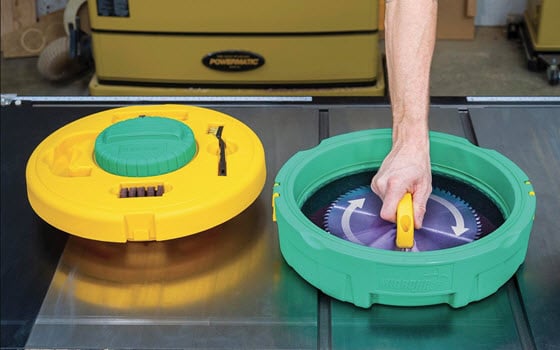
Microjig BLADECLEAN Blade & Bit Cleaning SystemClean blades = clean cuts.
Now available in a 3 pack including 2 Amana Tool Carbide-Tipped Saw Blades. More on that, later.
5 Clear Signs Your Carbide Tool Needs Resharpening
Dull tools rarely fail all at once. More often, performance slips gradually. If you know what to watch for, you can catch the problem before cut quality and productivity really suffer.
1. Burn Marks Start Appearing
Burning is one of the most common warning signs. A sharp tool slices cleanly. A dull one rubs more, generates more heat, and leaves scorch marks on the material. With router bits, you may notice this along the edge of hardwood, plywood veneer, or melamine. With saw blades, burns often show up on rip cuts or long crosscuts where heat has more time to build.
2. Cutting Resistance Increases
If the tool suddenly feels like it is working harder, it probably is. On a handheld router, that may mean you need more feed pressure to keep the cut moving. On a table saw or CNC machine, it may show up as slower cutting, more strain on the machine, or a less efficient cut overall.
3. The Edge Quality Gets Rougher
Dull edges can leave fuzzy grain, more tear-out, chipped laminates, rough profiles, or a generally washed-out finish. If you are seeing more cleanup work after a cut that used to come off the machine clean, the edge may be losing sharpness.
4. Noise and Heat Increase
A dull tool often sounds different. You may hear more whining, chatter, or general cutting stress. Excessive heat is another clue. If the tool or material seems hotter than normal after similar cuts, friction may be replacing clean shearing action.
5. Accuracy Starts to Slip
Precision matters, especially for joinery, repeatable cabinet parts, and finish work. When a tool becomes dull, cuts can become less predictable. Dimensions may drift slightly, edges may look less crisp, and the final result may not match what you expect from that tool.
Quick Decision Table: Resharpen or Replace?
| Situation | Resharpen | Replace |
|---|---|---|
| Tool is dull but otherwise in good condition | Yes | No |
| Premium carbide-tipped bit or blade with solid body | Usually yes | Only if badly damaged or worn out |
| Carbide is chipped, cracked, or missing | Sometimes, if minor and serviceable | Often yes |
| Tool has been sharpened several times already | Maybe | Often the better choice |
| Precise diameter/profile is critical | Only if tolerances still work | Yes, if geometry loss matters |
| Low-cost or disposable-grade tool | Sometimes not worth it | Often yes |
| Blade or bit body is warped, bent, or damaged | No | Yes |
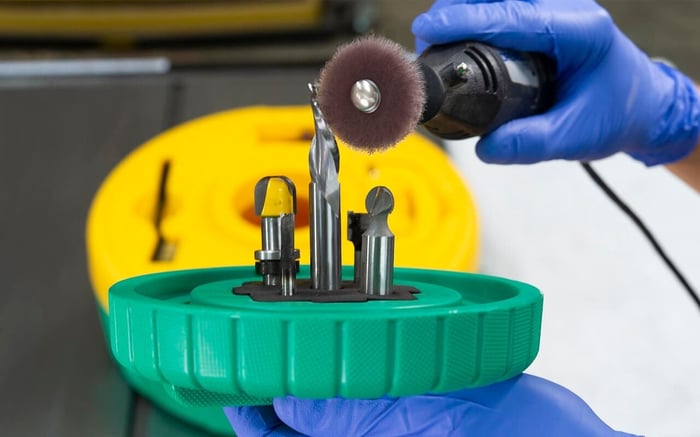
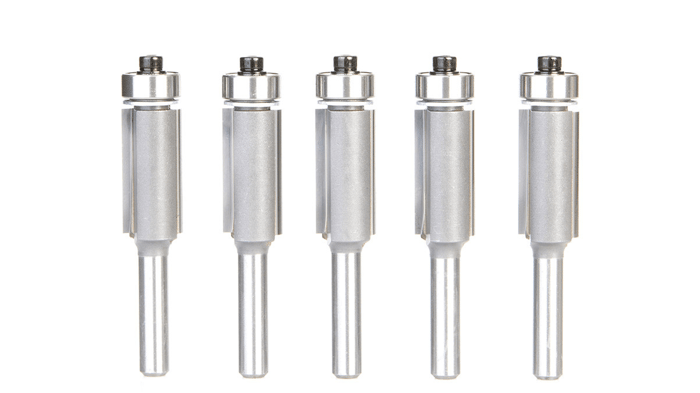
The router bit holder lets you soak and clean up to five bits in record time using the included scouring discs. Compatible with 1/4”, 1/2”, 6mm, 8mm, and 12mm shank sizes.
Spend less time cleaning, more time building - with no bare hand contact with cutting edges or chemicals.
When to Resharpen vs. Replace
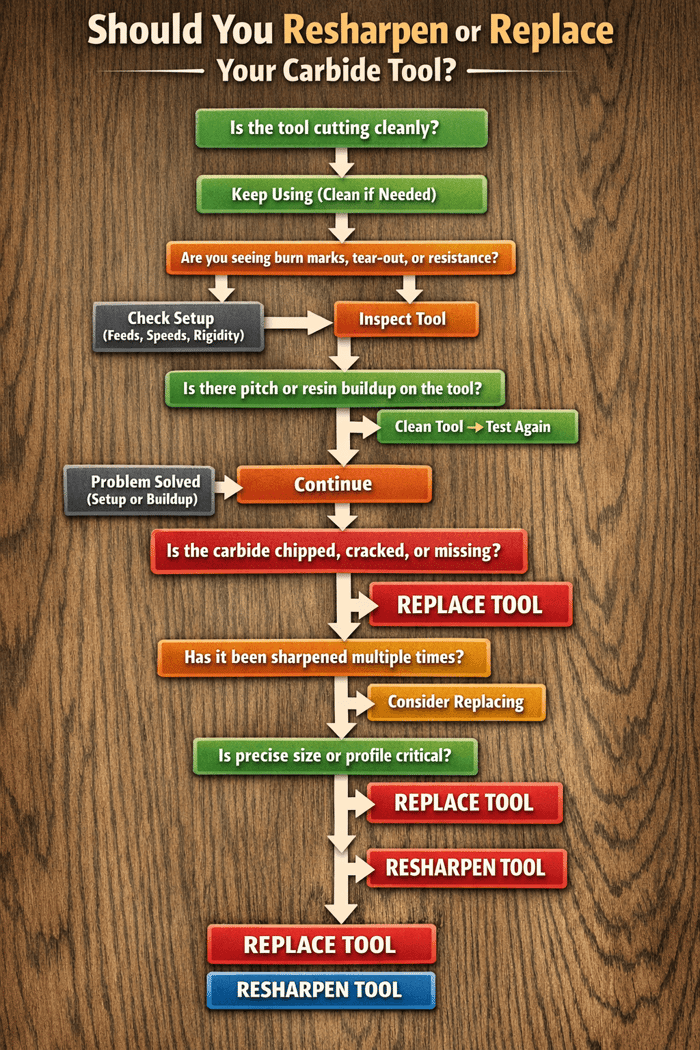
As a rule, resharpening makes sense when the cutting edge is dull but the tool is still fundamentally sound. The carbide should have enough material left to grind, and the body should still be true, balanced, and undamaged.
Replacement makes more sense when the tool has structural problems, major carbide damage, or enough wear that sharpening would significantly change the tool’s geometry or performance. In some cases, the math alone decides it. If sharpening costs approach the price of a new tool, replacement may be the better move.
For shops, the practical question is simple: Will this sharpened tool still do the job I need it to do? If the answer is yes, sharpening may extend value. If not, a fresh tool is usually the smarter investment.
How Many Times Can Carbide Bits and Blades Be Resharpened?
There is no single number that applies to every tool. The answer depends on how much carbide the tool started with, how aggressively it has been sharpened in the past, how badly it was worn before each sharpening, and how critical the exact geometry is in use.
In general, larger carbide-tipped tools with generous carbide can usually tolerate more sharpening cycles than very small profile bits. A large saw blade with quality carbide teeth may be sharpened multiple times. A small router bit with a tight profile, by contrast, may only allow a limited number of sharpenings before its geometry changes enough to affect the cut.
This is especially important with profile bits. A little carbide removed from a straight bit may be manageable. The same amount removed from a complex molding profile can alter the result more noticeably.
That is why shops often treat sharpening as a lifecycle decision rather than a fixed number. The goal is not to sharpen a tool as many times as theoretically possible. The goal is to keep it performing within acceptable limits.
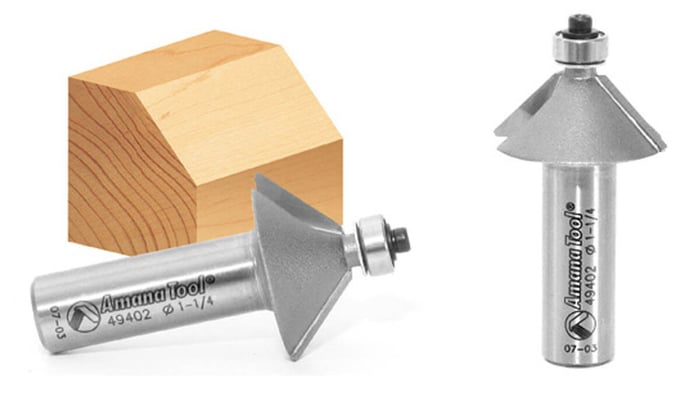
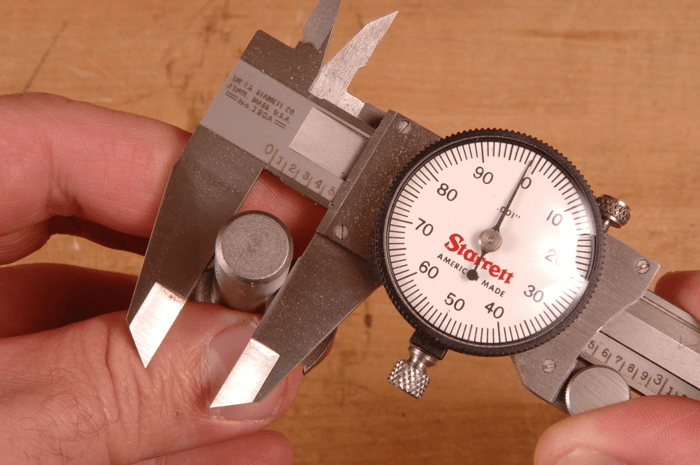 The carbide tips on Amana Tool router bits are thicker than comparable bits. This allows the bit to be sharpened many times which greatly extends the life of the tool.
What Happens During Carbide Sharpening?
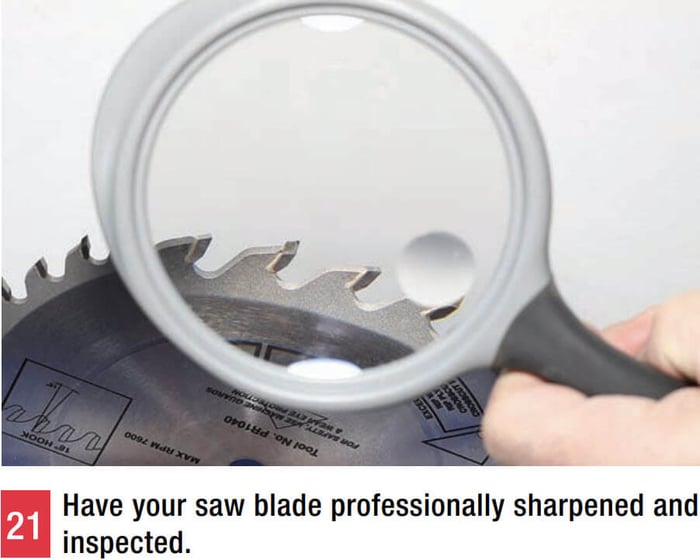
Sharpening is not just a quick touch-up. A proper sharpening service uses precision grinding equipment to restore the cutting edge. Material is removed from the carbide to create a fresh edge and, ideally, preserve the intended cutting geometry as much as possible.
With router bits, that process may involve careful grinding of the face, top, or flank depending on the design. With saw blades, sharpening usually involves grinding each tooth consistently so the blade cuts cleanly and remains balanced.
The key word here is consistently. Poor sharpening can do more harm than good. Uneven grind angles, altered hook angles, inconsistent tooth height, or loss of the original profile can turn a premium tool into a poor performer. A tool may technically be sharp but still cut worse than it should.
That is one reason many woodworkers and production shops trust quality sharpening services for valuable carbide tooling rather than treating every tool as disposable.
Does Sharpening Affect Performance or Size?
Yes. Every sharpening removes some material, and that can affect both size and geometry.
On straightforward tools, the change may be slight and not matter in everyday work. But in precision applications, even a small change can matter. A router bit may cut slightly undersize or alter a mating fit. A profile bit may no longer reproduce exactly the same shape it did when new. A saw blade may lose a little kerf width or change subtly in performance if the tooth geometry drifts over time.
This does not mean sharpening is a bad idea. It simply means sharpening is not magic. It restores edge quality, but it does not always return the tool to brand-new dimensions forever.
That is one reason why some shops keep new and sharpened tooling in separate workflows. For example, they may use fresh tooling for the most demanding visible finish work and sharpened tooling for less sensitive jobs where exact geometry is not as critical.
Router Bits vs. Saw Blades: Important Sharpening Differences
Router bits and saw blades may both be carbide-tipped, but sharpening affects them differently.
Router Bits
Router bits often depend heavily on exact geometry. Edge position, profile shape, diameter, and relief angles all influence the final cut. This is especially true for joinery bits, profile bits, and bits used in precision CNC work. Once a bit has been sharpened several times, it may still cut cleanly while no longer cutting exactly the same shape or size as before.
Saw Blades
Saw blades bring a different set of concerns. Consistent tooth height, balance, and geometry across the entire blade are critical. A properly sharpened blade can cut beautifully, but an improperly sharpened one may cut roughly, wander, or generate extra heat. For many quality blades, sharpening is a normal part of the tool’s life cycle, provided the plate and teeth remain in good condition.
In short, both can often be resharpened, but the decision is not identical. Router bits are more likely to run into geometry limitations, while saw blades depend heavily on consistent tooth grinding and overall balance.
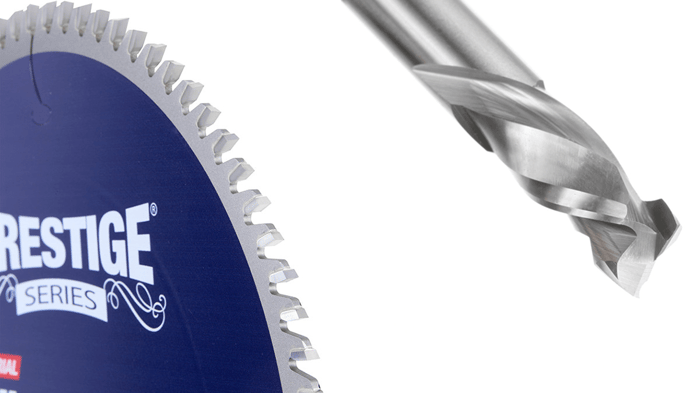
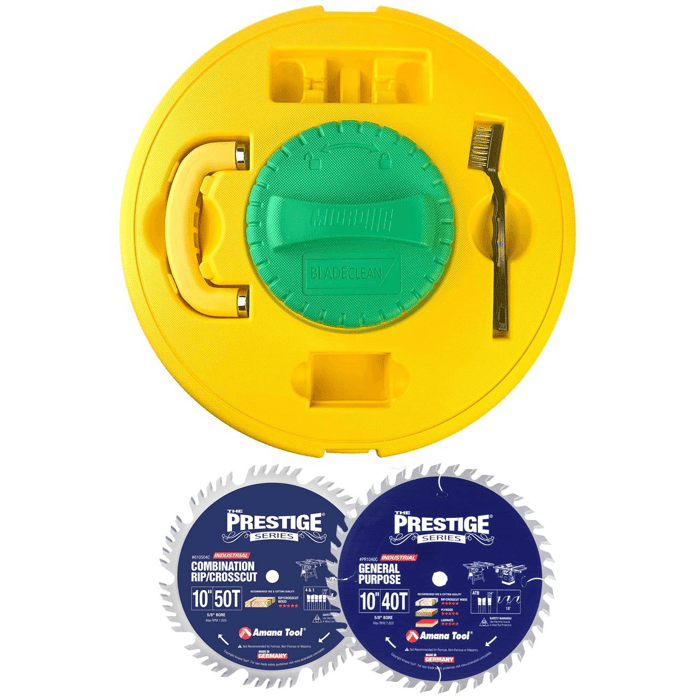 Microjig Blade Clean and Two Amana Tool Carbide Tipped Blades Pack comes with 2 Prestige 10" Carbide-Tipped Saw Blades - 1 General Purpose and 1 Combination Ripping and Crosscut Blade.
Common Mistakes That Shorten Tool Life
One of the easiest ways to save money on tooling is to avoid wearing out edges prematurely. A surprising amount of dulling is caused not just by cutting time, but by avoidable shop habits.
Running Tools Too Long
Once a tool starts to dull, continuing to push it can increase heat and friction quickly. That accelerates wear and can damage both the carbide and the body over time.
Using the Wrong Feed or Speed
Improper feed rates and spindle speeds can create rubbing instead of clean cutting. That increases heat and shortens edge life. Even a good bit or blade will not perform well for long if the cutting conditions are wrong.
Ignoring Pitch and Resin Buildup
Sometimes a tool seems dull when it is really dirty. Resin, pitch, and material buildup can increase friction and reduce cutting efficiency. Cleaning the tool before deciding it needs sharpening is often a smart first step.
Using the Wrong Tool for the Material
A tool designed for one material may wear quickly in another. Dense hardwoods, laminates, composites, plastics, and non-ferrous metals all place different demands on the cutting edge. Matching the tool to the material helps preserve sharpness longer.
Poor Storage and Handling
Carbide is hard, but it is also brittle. Tossing bits into a drawer or allowing blades to bang against other tools can chip edges and shorten usable life before the tool even gets to the machine.
Pro Tips to Extend Time Between Sharpenings
If you want to get more life from carbide-tipped bits and blades, the goal is simple: reduce unnecessary heat, friction, and impact.
- Keep tools clean so pitch and resin do not mimic dullness or add friction.
- Use the correct tool for the material and the job.
- Dial in feeds and speeds so the edge cuts instead of rubs.
- Avoid forcing cuts when a tool starts to lose efficiency.
- Store bits and blades so carbide edges do not strike each other.
- Inspect tools regularly instead of waiting for obvious failure.
These habits do not just preserve edge life. They also improve finish quality and help machines run more smoothly.
When It Is Better to Replace Instead of Resharpen
Sharpening is valuable, but it is not always the answer. Some tools are simply better replaced.
Replace the tool when the carbide is badly chipped, cracked, or missing; when the steel body is warped, bent, or damaged; when the exact cutting geometry matters more than extending tool life; or when repeated sharpening has already reduced performance or dimensional accuracy too much.
Replacement may also be the better choice when the tool was never designed to be a long-term asset. Some lower-cost tools are economical to buy new, but not economical to sharpen. On the other hand, a premium carbide-tipped bit or blade often justifies serious consideration before you retire it.
For many shops, the best approach is not to think in absolutes. It is to evaluate each tool based on condition, value, and the demands of the work it performs.
Final Takeaway: A Simple Rule for Shops
If a carbide-tipped bit or blade is dull but still structurally sound, resharpening often makes sense. If it is damaged, overly worn, or no longer able to hold the geometry your work requires, replacement is the better call.
A good rule of thumb is this: resharpen for edge wear, replace for structural damage or geometry loss.
That mindset helps shops protect cut quality, avoid unnecessary waste, and get the most value from the tools they rely on every day.
Need fresh tooling for your next job? Explore quality carbide-tipped router bits and saw blades designed for clean cuts, long life, and dependable shop performance.
FAQs
Can carbide-tipped router bits and saw blades be resharpened?
Yes. Most carbide-tipped tools can be resharpened as long as the carbide edge and tool body are still in good condition. The carbide is ground to restore a sharp cutting edge.
How do I know if my router bit or saw blade is dull?
Look for burn marks, increased cutting resistance, rough edges, tear-out, or more noise and heat during cutting. If cut quality drops or the tool feels like it’s working harder, it’s likely dull.
Is it better to resharpen or replace carbide tools?
Resharpen if the tool is dull but undamaged. Replace if the carbide is chipped, the body is warped, or the tool has been sharpened enough that performance or geometry is affected.
How many times can carbide tools be resharpened?
It depends on the size and amount of carbide. Larger tools can often be sharpened multiple times, while small or detailed bits may only allow a few sharpening cycles before performance changes.
Does sharpening change the size or performance of the tool?
Yes. Sharpening removes material, which can slightly reduce diameter or alter the profile. For general work this may not matter, but for precision cuts it can affect results.
Can I sharpen carbide tools myself?
In most cases, no. Carbide requires specialized grinding equipment. Improper sharpening can damage the tool or ruin its cutting geometry.
Which woods dull tools the fastest or create the most resin buildup?
Softwoods like pine, fir, and spruce tend to produce the most resin and pitch buildup, which increases heat and friction. Engineered materials like plywood and MDF can also dull tools quickly due to adhesives and density. Hardwoods such as oak and maple generate less resin but can still wear edges quickly due to their hardness.