
Preventive Maintenance Checklist for Small CNC & Production Machines
Table of Contents
- Why Preventive Maintenance Matters in Small Production
- Daily Maintenance Checklist (5–10 Minutes Per Machine)
- Weekly Maintenance Checklist
- Monthly Maintenance Checklist
- Quarterly or Semi-Annual Maintenance
- Documentation: The Most Overlooked Maintenance Tool
- Common Maintenance Mistakes to Avoid
- Final Thoughts: Maintenance Is Production Insurance
- FAQs
Small production machines—CNC routers, benchtop mills, lathes, laser cutters, and shop support equipment—are the backbone of many modern workshops. Whether you’re running short production batches, custom jobs, or light manufacturing, preventive maintenance is one of the most effective ways to reduce downtime, improve part quality, and extend machine life.
This checklist is designed for small shops and production teams that don’t have a full-time maintenance department—but still need consistent, professional results.
Why Preventive Maintenance Matters in Small Production
In small production environments, a single machine going down can stop work entirely. Preventive maintenance helps you:
- Avoid unexpected breakdowns
- Maintain consistent tolerances and finishes
- Reduce scrap and rework
- Extend the life of expensive components
- Spot issues before they become failures
Most issues don’t appear suddenly—they develop slowly through wear, contamination, or misalignment.
Daily Maintenance Checklist (5–10 Minutes Per Machine)
These quick checks prevent the most common and costly problems.
1. Clean the Work Area
- Remove chips, dust, and debris from the table, bed, and enclosures
- Clear chips from T-slots, fixtures, and clamps
- Keep vents and fan intakes unobstructed
Why it matters: Built-up debris accelerates wear, traps heat, and interferes with motion systems.
2. Inspect Cutting Tools
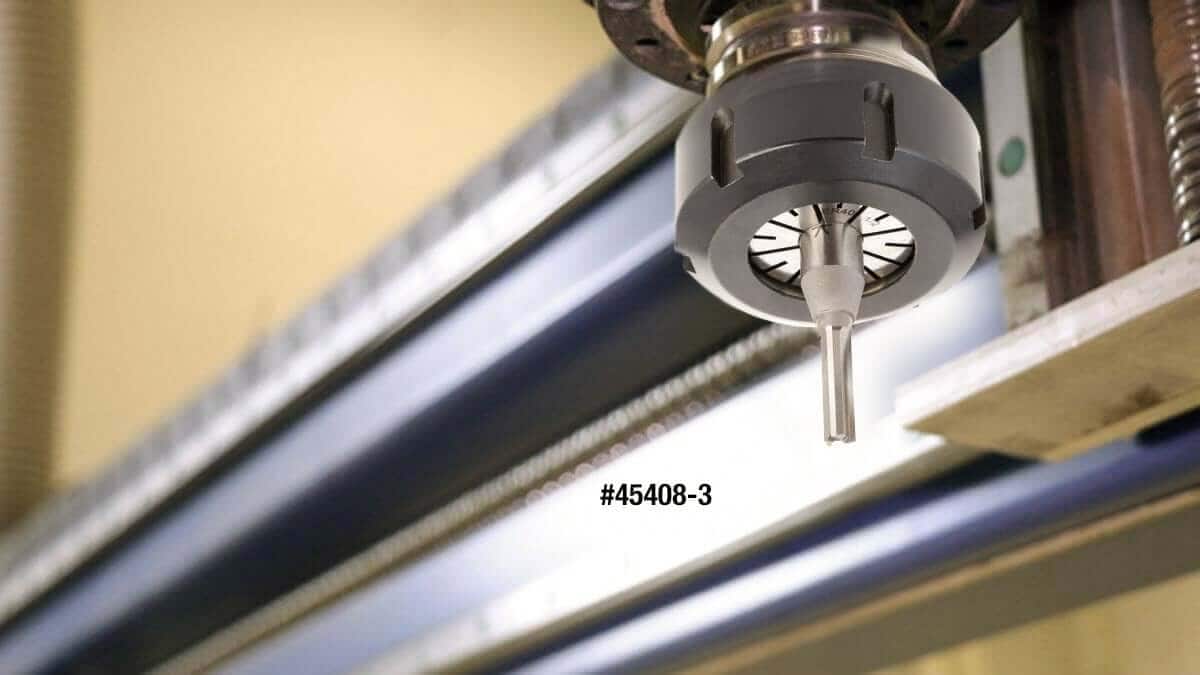
- Check for visible wear, chipping, or buildup
- Confirm tools are properly seated and tightened
- Verify tool numbers and offsets match the program
Why it matters: Worn tools cause poor finishes, dimensional errors, and excess machine load.
3. Check Lubrication (If Applicable)
- Verify oilers or grease points are functioning
- Look for dry rails, screws, or bearings
- Wipe off excess lubricant to prevent chip accumulation
4. Quick Visual Inspection
- Look for loose fasteners
- Check hoses, cables, and wire carriers
- Listen for new or unusual sounds during operation
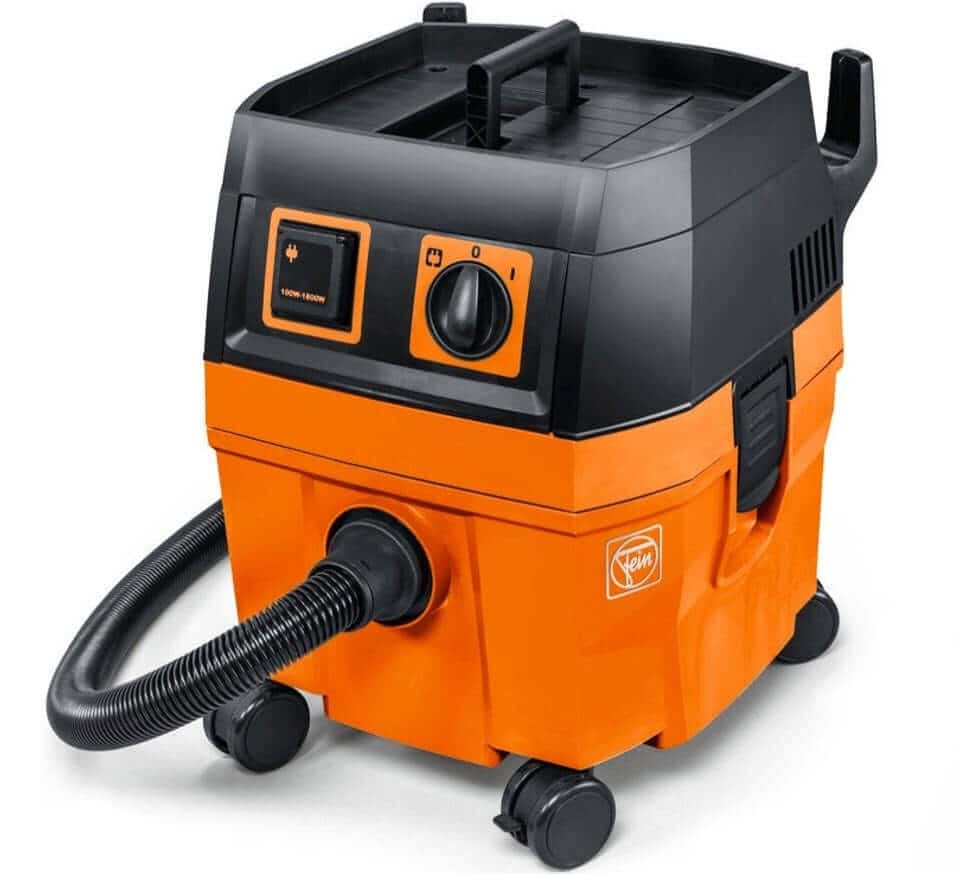 FEIN Turbo I Wet/Dry Dust Extractor/Vacuum is ideal for woodworking shops to manage sawdust and wood chips, especially where low noise is beneficial.
Weekly Maintenance Checklist
Weekly checks catch gradual issues before they affect accuracy.
5. Clean Motion Components
- Wipe down linear rails and guideways
- Inspect ball screws or lead screws for debris
- Clean rack-and-pinion systems if used
Tip: Use manufacturer-approved cleaners—harsh solvents can damage seals.
6. Inspect Belts, Chains, and Couplings
- Check belt tension and wear
- Look for cracked or frayed belts
- Verify couplings are tight and aligned
7. Check Coolant or Dust Collection Systems
- Empty or clean filters
- Check hoses for clogs or leaks
- Verify suction or coolant flow is consistent
Monthly Maintenance Checklist
Monthly tasks focus on accuracy, alignment, and electrical health.
8. Verify Machine Calibration
- Check squareness and tram (where applicable)
- Verify axis travel accuracy
- Confirm homing and limit switches function correctly
9. Inspect Electrical Components
- Check emergency stop operation
- Inspect connectors for looseness or corrosion
- Look for damaged insulation or pinched cables
10. Review Fasteners & Structural Components
- Tighten frame bolts if needed
- Inspect machine base and mounts
- Check fixtures and vises for wear or movement
Quarterly or Semi-Annual Maintenance
These deeper checks help prevent long-term wear and expensive repairs.
11. Replace Wear Components
- Belts, brushes, seals, or filters as recommended
- Check bearings for play or noise
- Replace worn way covers or guards
12. Software & Control Maintenance
- Back up machine settings and parameters
- Update firmware or control software (if stable and supported)
- Verify safety interlocks after updates
Documentation: The Most Overlooked Maintenance Tool
Even small shops benefit from basic documentation.
What to Track
- Maintenance dates
- Parts replaced
- Noted issues or unusual behavior
- Calibration results
A simple spreadsheet or logbook is enough—and often reveals patterns that help you schedule maintenance before failures occur.
Common Maintenance Mistakes to Avoid
- Skipping cleaning because “the machine still runs”
- Ignoring small changes in sound or vibration
- Over-lubricating components
- Using the wrong cleaning products
- Waiting for visible failure before acting
Preventive maintenance is about consistency, not perfection.
Final Thoughts: Maintenance Is Production Insurance
In small production environments, preventive maintenance isn’t busywork—it’s insurance. A few minutes per day and a structured checklist can dramatically improve uptime, part quality, and machine longevity.
If your shop relies on one or two key machines, maintenance discipline is often the difference between steady output and constant firefighting.
FAQs
What is preventive maintenance for CNC and production machines?
Preventive maintenance is a scheduled approach to cleaning, inspecting, lubricating, and adjusting machines to prevent breakdowns, reduce wear, and maintain accuracy before failures occur.
How often should small CNC machines be maintained?
Most small CNC machines should receive basic cleaning and inspection daily, more detailed checks weekly, calibration monthly, and deeper mechanical and software maintenance quarterly or semi-annually.
Why is preventive maintenance important for small shops?
In small shops, a single machine failure can halt production. Preventive maintenance reduces downtime, extends machine life, improves part consistency, and lowers repair and replacement costs.
What are the most common maintenance tasks for CNC machines?
Common tasks include cleaning chips and dust, inspecting cutting tools, lubricating motion components, checking belts and couplings, verifying calibration, and inspecting electrical connections.
Can poor maintenance affect CNC accuracy and part quality?
Yes. Dirty rails, worn tools, loose components, and misalignment can all cause dimensional errors, poor surface finish, increased scrap, and inconsistent results.
How long does daily CNC maintenance take?
Daily maintenance typically takes 5–10 minutes per machine and includes cleaning debris, inspecting tools, checking lubrication, and performing a quick visual inspection.
What parts wear out most often on small production machines?
Common wear components include cutting tools, belts, bearings, filters, seals, way covers, and brushes, depending on the machine type and operating environment.
Should CNC machine settings and software be backed up?
Yes. Backing up machine parameters and control settings protects against data loss from power failures, software updates, or hardware issues and speeds recovery after problems.
What happens if preventive maintenance is ignored?
Ignoring maintenance can lead to unexpected breakdowns, reduced accuracy, increased scrap, higher repair costs, shortened machine lifespan, and unsafe operating conditions.
Is preventive maintenance different for CNC routers, mills, and laser machines?
Yes. While basic principles are similar, each machine type has unique components and maintenance needs, such as dust control for routers, coolant systems for mills, and optics for lasers.