What Is a Variable Helix Router Bit? And Why You Need One
Table of Contents
If your CNC cuts look almost perfect except for faint ripples, chatter marks, or a rough edge that should have been clean, the problem may not be your material or your machine. It may be the cutting rhythm of the bit itself.
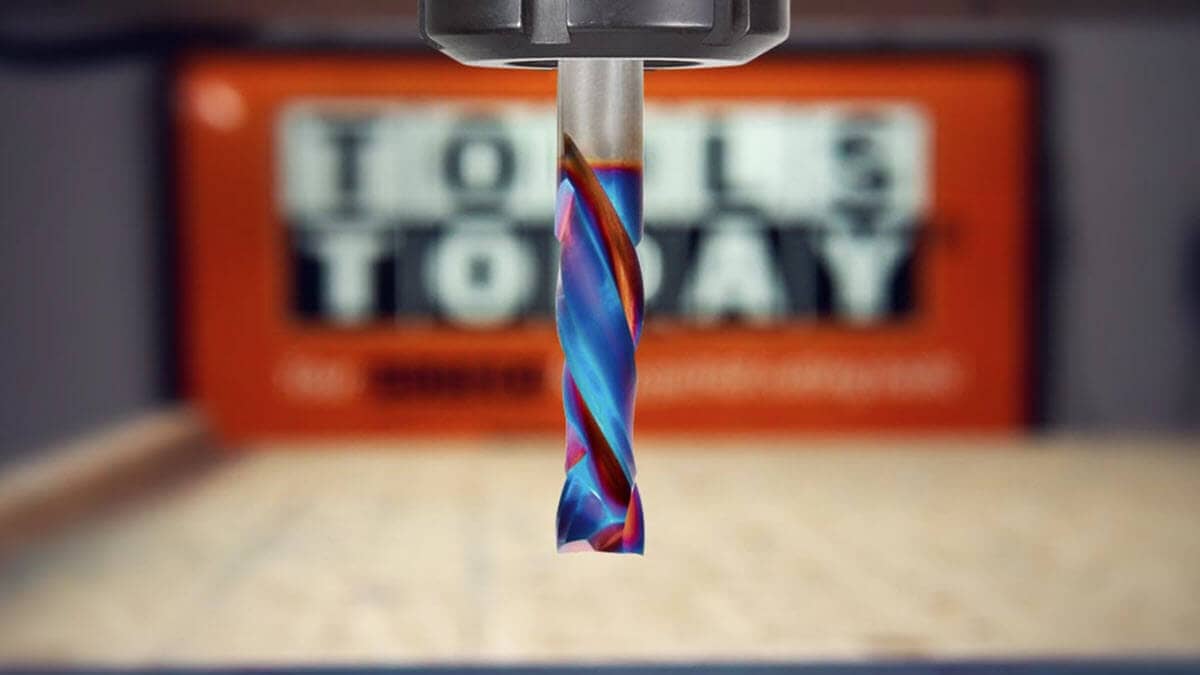
A variable helix router bit (sometimes called a multi-helix router bit, and often referred to as a variable helix end mill in metalworking) is designed to solve one of the most frustrating CNC cutting problems: harmonic chatter. By changing the flute geometry around the tool, a variable helix bit can produce a smoother finish, reduce vibration, and allow higher feed rates than many standard spiral bits.
In practical terms, upgrading to a variable helix bit can give you a mirror-smooth finish at higher feed rates, especially in materials that tend to vibrate, chip, melt, or tear out.
The Problem: Harmonic Chatter
On a standard spiral router bit, every flute — the spiral cutting edge wrapped around the tool — follows the same helix angle. For example, each flute might be ground at a constant 30° or 45° angle.
That sounds logical, and for many applications it works well. But at CNC speeds, that uniform geometry can create a problem.
When the tool spins at 18,000 RPM, each cutting edge strikes the material at perfectly even intervals. That repeated impact creates a mechanical rhythm. If that rhythm lines up with the natural vibration frequency of your CNC machine, your workholding, or the material itself, the result is harmonic chatter.
Chatter can show up as:
- A loud, high-pitched cutting noise
- Visible vibration in the tool, spindle, or material
- Rough edges or repeating chatter marks on the workpiece
- More heat in the cut
- Shorter tool life from vibration and micro-chipping
In other words, chatter is not just annoying. It affects cut quality, tool performance, and productivity.
The Solution: Multi-Helix Geometry
A variable helix router bit fixes this problem by intentionally breaking the rhythm.
Instead of every flute using the same spiral angle, each flute is ground at a slightly different helix angle. On a 4-flute multi-helix bit, for example:
- Flute 1 might use a 35° helix angle
- Flute 2 might use a 38° helix angle
- Flute 3 might return to 35°
- Flute 4 might return to 38°
Because the flute angles are not identical, the cutting edges do not hit the material in one perfectly even rhythm. The timing between impacts changes as the tool rotates.
That uneven timing helps disrupt the harmonic wave before it can build into chatter. The result is a smoother, quieter, more stable cut.
This same variable helix geometry is widely used in industrial machining of stainless steel, titanium alloys, and other difficult-to-machine metals, where controlling vibration is essential for both surface finish and tool life.
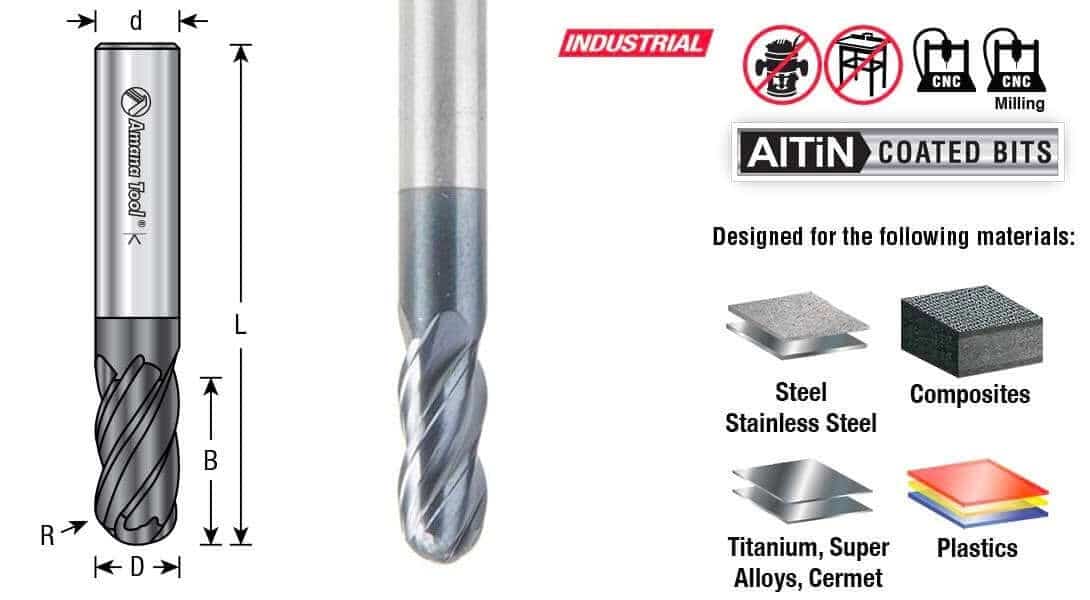 High Performance Solid Carbide CNC Variable Helix Spiral Ball Nose End Mills. Unique variable design, for faster speeds and feeds, provides quiet operation & better finish. Premium Aluminum Titanium Nitride (AlTiN) coating provides quantum increases in productivity in terms of speed & longevity, with or without coolant.
 Why Upgrade to a Variable Helix Router Bit?
A variable helix bit is a premium tool, but the benefits can be significant — especially when finish quality, speed, and tool life matter.
- Flawless surface finish: Helps eliminate chatter marks and leaves cleaner edges on the material.
- Faster feed rates: Reduced vibration allows experienced CNC users to push the machine harder and cut more efficiently.
- Extended tool life: Less chatter means less stress and less micro-chipping on the carbide cutting edges.
- Quieter cutting: Breaking up vibration can noticeably reduce the high-pitched CNC scream, especially in smaller shops and garage setups.
- More stable cutting: A smoother cut means less deflection, better control, and more predictable results.
When Should You Use a Variable Helix Bit?
You do not need a variable helix bit for every job. For simple cuts in easy materials, a standard spiral bit may be perfectly fine. But when the material is expensive, the finish must be clean, or chatter is slowing you down, a variable helix bit is worth the upgrade.
Metals (Aluminum, Brass & High-Strength Alloys)
Variable helix geometry is especially valuable when machining metals. It excels in non-ferrous materials like aluminum and brass, where reducing chatter helps prevent poor surface finish and chip welding.
The same vibration-dampening geometry is also widely used in end mills designed for difficult materials such as stainless steel, titanium alloys, and high-temperature alloys, where stable cutting is critical for tool life and surface finish.
Plastics & Acrylics
Plastics and acrylics can melt, crack, or chip if the cut is unstable. By reducing vibration and helping maintain a cleaner cutting action, a variable helix bit can improve edge quality and reduce the risk of melting or cracking.
Hardwoods & Exotics
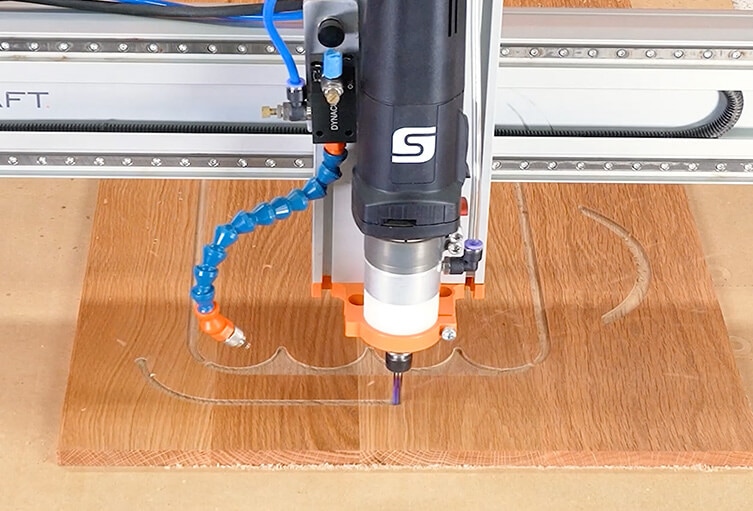
Hardwoods and exotic woods can be unforgiving, especially when the grain changes direction. A variable helix bit helps reduce vibration and tear-out, leaving a cleaner edge with less sanding required after the cut.
Variable Helix vs. Standard Spiral Router Bits
| Feature | Standard Spiral Bit | Variable Helix Bit |
|---|---|---|
| Flute Geometry | All flutes use the same helix angle | Flutes use different helix angles to break up vibration |
| Cutting Rhythm | Uniform, repeated impact pattern | Uneven timing that helps reduce harmonics |
| Chatter Control | Good in many standard applications | Excellent for reducing chatter and vibration |
| Surface Finish | Can leave marks if vibration develops | Produces cleaner, smoother edges |
| Feed Rate Potential | May need to be slowed down to control chatter | Often allows faster, more stable cutting |
| Best Use | General routing, standard materials, everyday cutting | Premium finish cuts, harder materials, metals, plastics, and chatter-prone jobs |
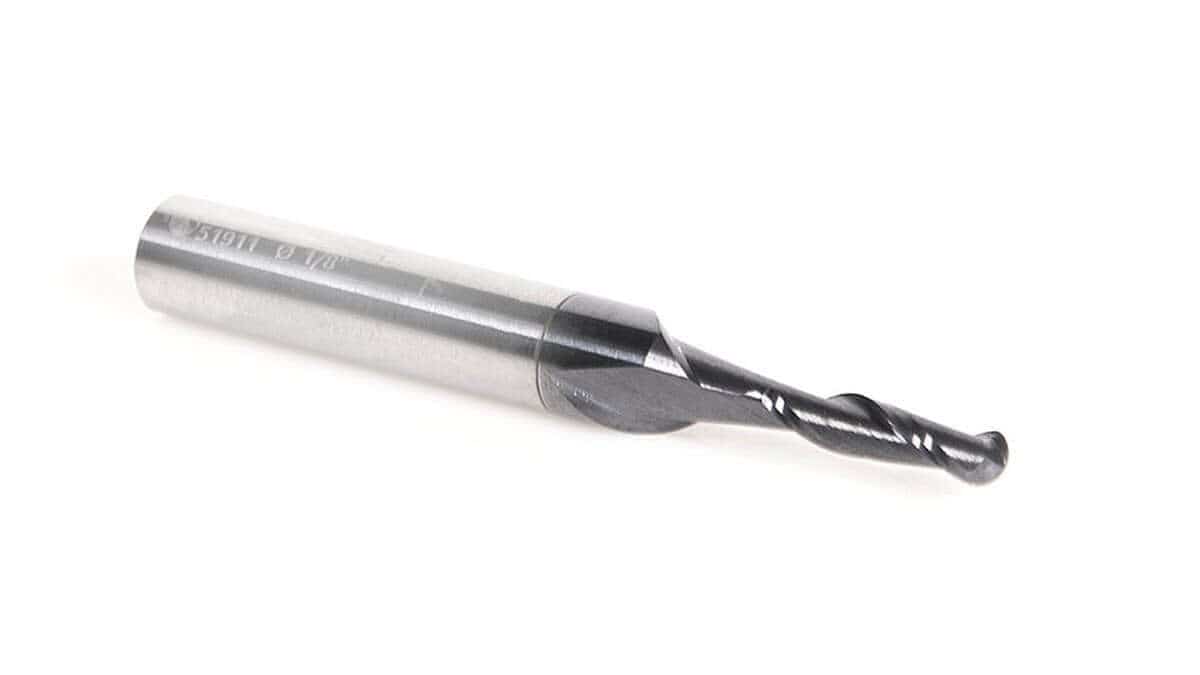
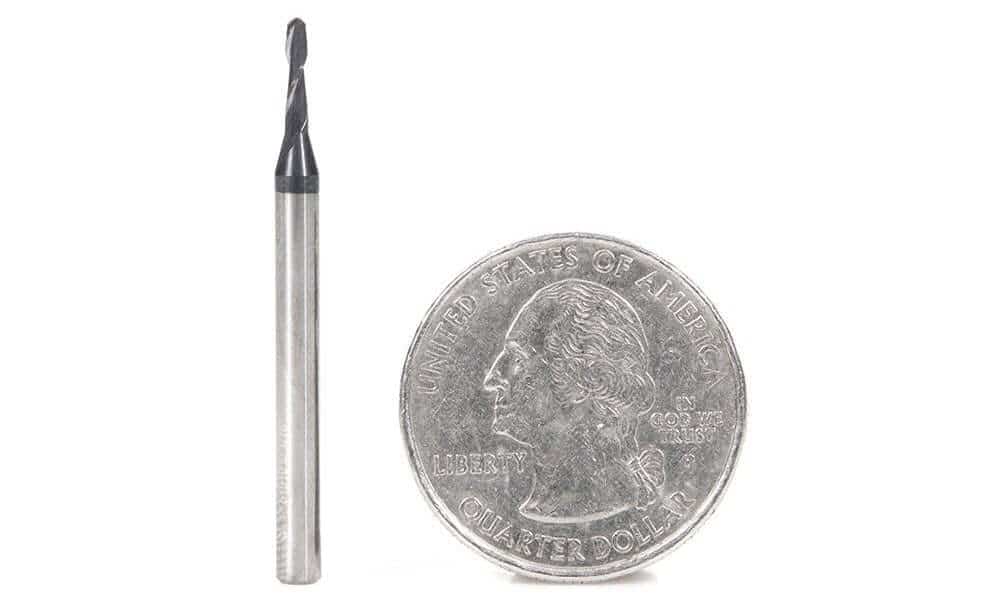 Amana 51910 High Performance CNC Solid Carbide Variable Helix Spiral Ball Nose Up-Cut 2-Flute End Mill/Router Bit with AlTiN Coating - there's a lot of power in this tiny bit.
Is a Variable Helix Bit Worth It?
If you are only making occasional rough cuts, a standard spiral bit may be enough. But if you are chasing cleaner edges, faster cycle times, quieter cutting, or longer tool life, a variable helix bit is a smart upgrade.
It is especially useful when you are cutting hardwoods, exotics, aluminum, brass, acrylic, or any material where chatter can ruin the final result.
The biggest advantage is simple: a variable helix bit does not just cut the material. It cuts more smoothly because it prevents vibration from building in the first place.
Ready to Eliminate CNC Chatter?
Upgrade your tool crib with Amana Tool Variable Helix Spiral Bits. Get cleaner cuts, faster feeds, quieter performance, and longer tool life.
Shop Variable Helix Router Bits and End Mills Now
FAQs
What is a variable helix router bit?
A variable helix router bit (also called a multi-helix router bit) has flutes ground at slightly different helix angles instead of all sharing the same angle. This irregular geometry breaks up harmonic vibrations during cutting, resulting in smoother cuts, less chatter, and longer tool life.
What causes chatter when using a CNC router bit?
Chatter occurs when the cutting edges strike the material at a frequency that matches the natural vibration of the machine, workpiece, or tooling. The resulting harmonic vibration can leave visible marks on the workpiece, create loud noise, and shorten tool life.
What materials benefit most from variable helix router bits?
Variable helix bits are especially effective when cutting hardwoods, exotic woods, aluminum, brass, plastics, and acrylics. These materials are more prone to vibration, tear-out, melting, or chatter, making the improved stability of a variable helix design especially valuable.
Can a variable helix bit run at higher feed rates?
Often, yes. Because variable helix geometry reduces vibration and chatter, experienced CNC operators can frequently increase feed rates while maintaining excellent surface finish. The ideal feed and speed still depend on your machine, material, spindle, and workholding.
Do variable helix bits last longer than standard spiral bits?
In many applications, yes. Reduced vibration means less stress on the carbide cutting edges, which helps minimize micro-chipping and wear. Longer tool life is one of the key advantages of a quality variable helix router bit.
Are variable helix router bits worth the extra cost?
If you're making production parts, machining expensive materials, or trying to achieve the best possible finish, the investment often pays for itself through faster machining, fewer rejected parts, and longer tool life. For occasional rough cutting in softer materials, a standard spiral bit may be sufficient.
Are variable helix bits better than standard spiral bits?
Neither design is universally "better"—they're designed for different situations. Standard spiral bits are excellent general-purpose tools, while variable helix bits are intended for demanding applications where reducing chatter, improving finish quality, and maximizing productivity are priorities.