
Why Cheap Router Bits Fail: The Real Cost of Low-Quality Tools
Table of Contents
- Quick Take: Why Cheap Router Bits Fail
- Why Do Cheap Router Bits Burn Wood?
- Why Cheap Router Bits Chatter
- Tearout, Fuzz, and Blowout: When Cheap Bits Ruin the Finish
- Cheap Router Bit Quality Differences You Cannot Always See
- Cheap vs. Quality Router Bits: Where the Difference Shows Up
- Signs Your Router Bit May Be Low Quality
- When Cheap Router Bits Might Be Good Enough
- How to Choose Better Router Bits Without Overspending
- Common Mistakes That Make Cheap Bits Perform Even Worse
- The Real Cost of Cheap Router Bits
- Bottom Line: Cheap Router Bits Save Money Once
- FAQs
A cheap router bit can look like a bargain—until it burns your workpiece, chatters through the cut, tears out the edge, or dulls after one project.
The truth is simple: router bit quality differences matter. A better bit is not just “sharper.” It is made with better carbide, better geometry, better balance, better grinding, and tighter tolerances. Those details affect everything from cut quality to tool life to safety.
Cheap bits may save money at checkout. Quality bits save money every time you use them.
Quick Take: Why Cheap Router Bits Fail
| Problem | Likely Cause | What It Means |
|---|---|---|
| Burn marks | Dull edge, poor carbide, bad geometry, too much friction | The bit is rubbing instead of slicing cleanly |
| Chatter | Poor balance, runout, weak grinding, vibration | The bit is not cutting smoothly or consistently |
| Tearout or fuzz | Poor shear angle, dull cutting edge, wrong bit design | The bit is tearing fibers instead of cutting them |
| Fast dulling | Low-grade carbide or poor edge preparation | The bit cannot hold a sharp edge under real use |
| Inaccurate cuts | Loose tolerances or inconsistent diameter | The bit does not match the size or profile you expected |
Bottom line: if your router bit burns, chatters, tears out, or dulls too quickly, the problem may not be your router, your CNC machine, or your technique. It may be the bit.
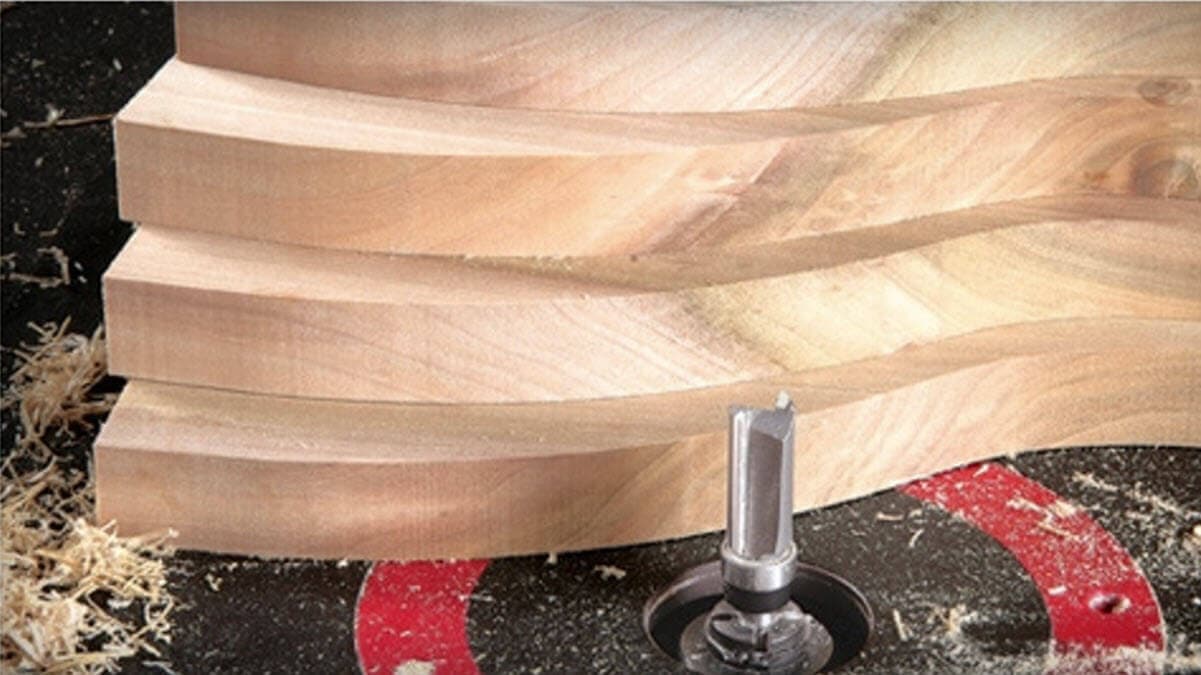 Amana Flush Trim router bits are essential for forming an exact duplicate of the template, over and over again.
Why Do Cheap Router Bits Burn Wood?
Burn marks are one of the most common complaints with low-quality router bits. You make a pass, lift the router, and there it is: a dark brown edge that now needs sanding, scraping, or a complete re-cut.
Burning usually comes from heat. Heat comes from friction. And friction often comes from a bit that is not cutting efficiently.
Dull or Low-Grade Carbide Loses Its Edge Faster
A sharp bit slices wood fibers cleanly. A dull bit rubs against them. That rubbing creates heat, and heat creates burn marks.
Cheap bits are often made with lower-grade carbide that cannot hold a sharp edge as long. Even if the bit feels sharp when new, the edge may break down quickly—especially in hardwoods, plywood, MDF, laminates, or production work.
Poor Geometry Creates More Heat
Router bit geometry refers to the exact shape and engineering of the cutter: the cutting angle, clearance angle, flute shape, profile, diameter, and edge grind.
When that geometry is off, the bit may not clear chips properly or may rub more than it cuts. That increases heat, slows the cut, and leaves more burning behind.
Pitch and Resin Buildup Make the Problem Worse
Once a bit starts running hot, pitch and resin can build up faster on the cutting edges. That buildup adds more friction, which creates more heat, which causes even more burning.
That is why a cheap or dull bit can go downhill quickly. The worse it cuts, the hotter it gets. The hotter it gets, the worse it cuts.
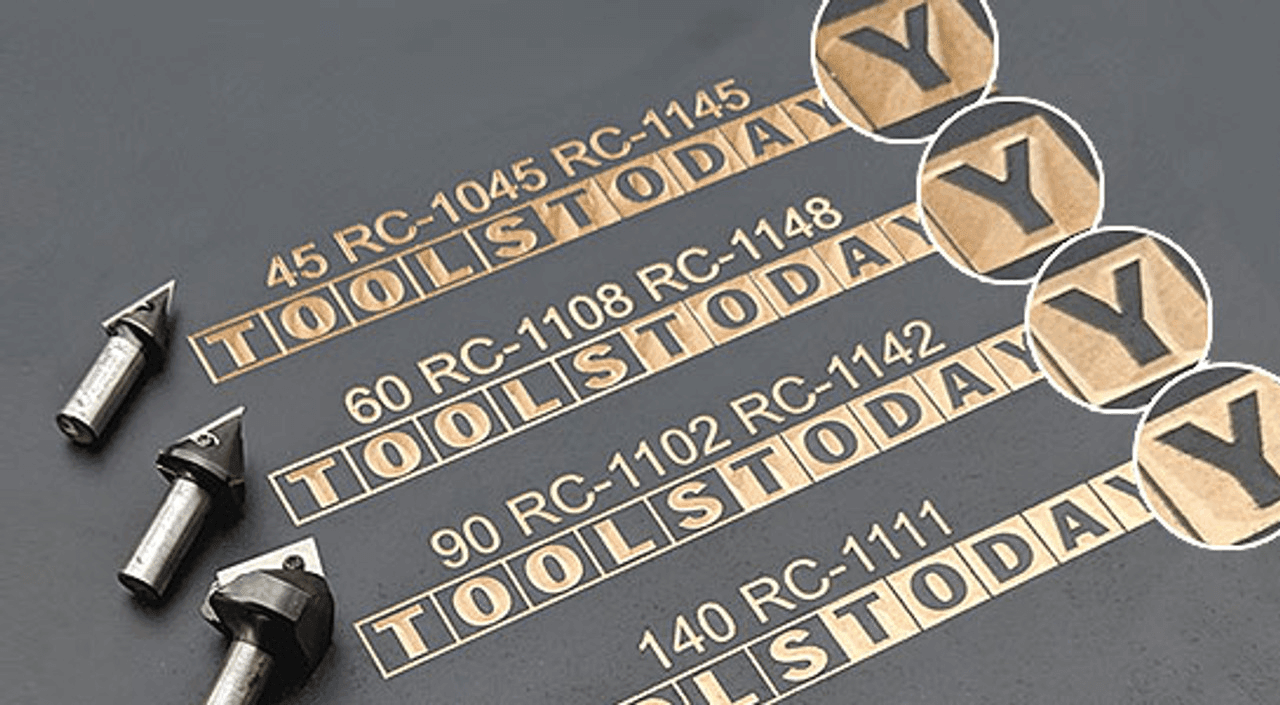 Amana Insert V-Groove Router Bits provide unique grinding angles to eliminate build up at the V point. Come with rotatable high-grade solid-carbide insert knife.
 Why Cheap Router Bits Chatter
Chatter is vibration during the cut. You may hear it as a rough, uneven sound. You may see it as a wavy or washboard pattern on the edge of your workpiece.
Some chatter comes from setup issues: loose workholding, too much stick-out, an aggressive pass, or a worn collet. But low-quality router bits can also be a major cause.
Poor Balance
A router bit spins at very high speed. If the bit is not properly balanced, even a small manufacturing flaw can become a big vibration problem.
Better bits are manufactured with tighter control over balance and concentricity. Cheap bits are more likely to have inconsistencies that show up as chatter, rough cuts, and extra stress on the router or spindle.
Runout and Off-Center Cutting
Runout means the bit is not spinning perfectly true. Instead of rotating in a clean circle, the cutting edge wobbles slightly.
That wobble can cause:
- Rougher edges
- Inaccurate cuts
- More vibration
- Shorter tool life
- Higher risk of bit breakage
With CNC work, runout is especially important because your toolpath assumes the bit is cutting exactly where the software thinks it is. If the bit is not true, the cut will not be true.
Weak Grinding and Uneven Cutting Edges
A quality router bit should have cutting edges that are ground consistently. If one edge is doing more work than the other, the bit can vibrate, cut unevenly, and leave a poor finish.
That is one reason two bits that look similar online can perform very differently in the shop.
 Amana Plastic Cutting Router Bits - because cheap bits melt plastic. Precision geometry cuts it clean. Crisp chips, cooler cuts, longer life.
Tearout, Fuzz, and Blowout: When Cheap Bits Ruin the Finish
Router bits do not just remove material. They determine how cleanly that material is removed.
When the bit is sharp, properly designed, and matched to the material, it cuts cleanly. When the bit is dull, poorly ground, or badly designed, it can tear fibers instead of slicing them.
Plywood Tearout
Plywood is especially sensitive because the outer veneer is thin. A poor-quality bit can lift, chip, or splinter the veneer, leaving ragged edges that are hard to hide.
This is where bit selection and bit quality both matter. A compression bit, for example, is designed to help produce clean top and bottom edges in sheet goods. But if the geometry is poor, or the upcut/downcut transition is not right for the material thickness, you may still get tearout.
MDF Fuzzing
MDF does not tear out like plywood, but it can fuzz badly when cut with a dull or low-quality bit. Instead of leaving a crisp edge, the bit crushes and frays the fibers.
That means more sanding, more finishing work, and less consistent results.
Hardwood Chipping
In hardwoods, poor edge geometry can create chipping along the grain, especially on profiles, edges, and end grain. A sharper, better-ground bit produces a cleaner shear and reduces cleanup.
Cheap Router Bit Quality Differences You Cannot Always See
Two router bits can look almost identical in a product photo. Same diameter. Same shank. Same basic profile.
But once they touch the material, the differences show up fast.
Carbide Quality
Better router bits use better carbide. That usually means stronger edge retention, better heat resistance, and longer tool life.
Cheap carbide may chip, dull, or wear faster. That does not just shorten the life of the bit. It also changes the quality of the cut as the bit wears.
Precision Grinding
The grind is where a lot of router bit quality lives. A well-ground bit has clean, consistent cutting edges and the correct geometry for the job.
Poor grinding can lead to:
- More friction
- More heat
- Rougher cuts
- Uneven cutting pressure
- Shorter tool life
Body Balance
At router speeds, balance matters. A bit that is even slightly off can create vibration that affects cut quality and comfort.
For CNC users, balance also protects the spindle and helps maintain accuracy during longer jobs.
Brazing Quality
On carbide-tipped bits, the carbide is brazed to the steel body. Better brazing helps keep the carbide secure under heat, speed, and cutting pressure.
Poor brazing is not just a performance issue. It can become a safety issue.
Tolerance Consistency
A quality bit should match its stated size and profile. A replacement bit should cut like the last one.
This is especially important for:
- CNC programs
- Cabinet doors
- Joinery
- Templates
- Profile matching
- Production runs
If a “1/4-inch” bit is not really cutting 1/4 inch, your dado, slot, inlay, or profile may not fit the way it should.
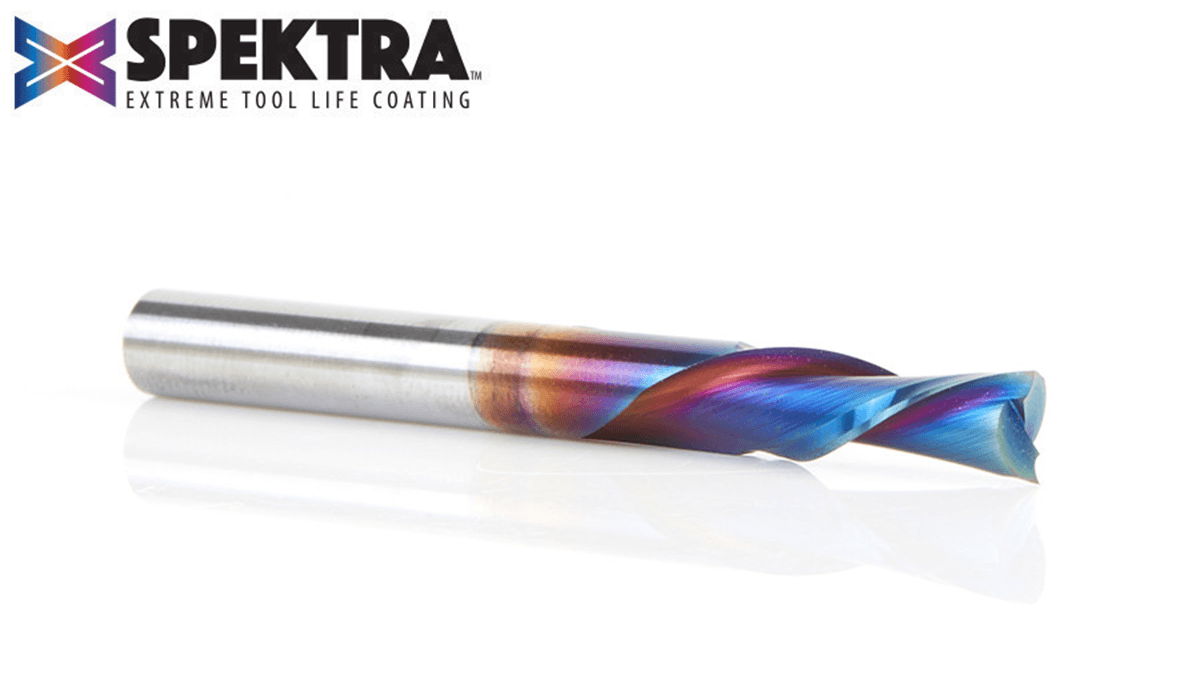
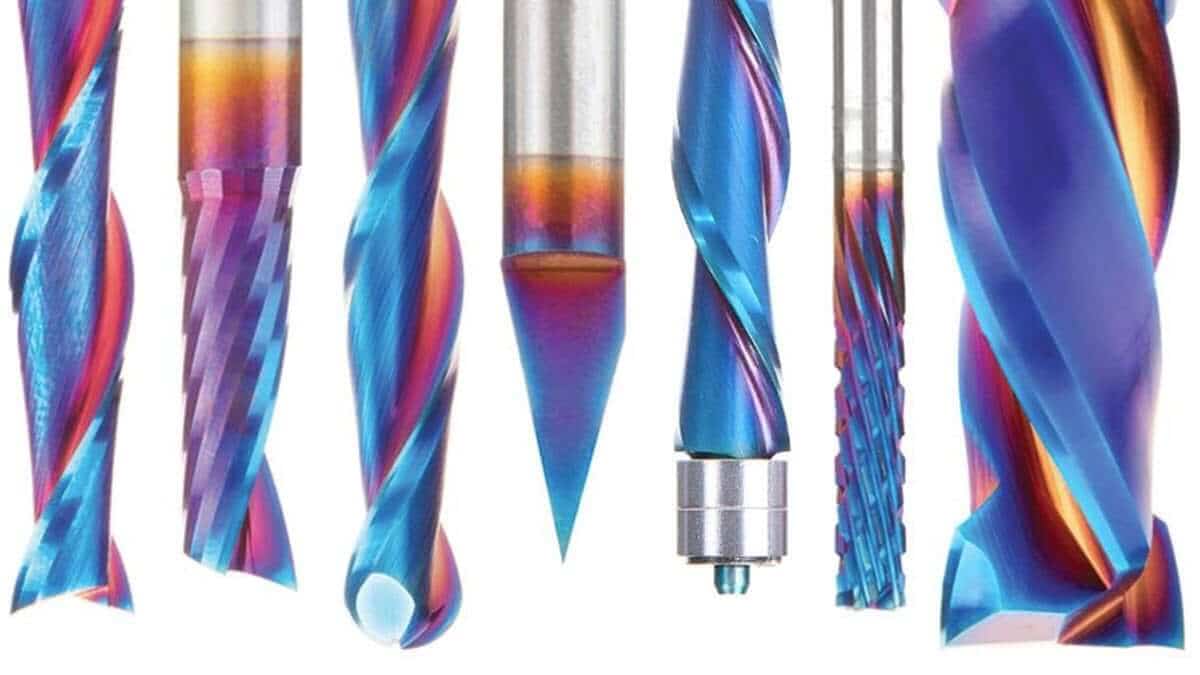
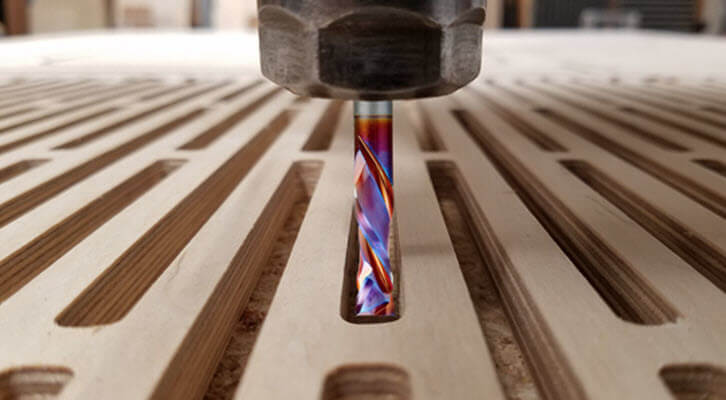 Spektra™ Extreme Tool Life Coated Router Bits Slight wear. Serious mileage. Spektra keeps cutting clean long after cheap bits would’ve burned out, chipped, or quit.
Cheap vs. Quality Router Bits: Where the Difference Shows Up
The difference between a cheap router bit and a quality router bit is not always obvious in the package. It becomes obvious in the work.
Cleaner Cuts
Quality bits leave cleaner edges because they cut more efficiently. That means less sanding, less rework, and fewer ruined parts.
Longer Tool Life
A better bit usually holds its edge longer. That means the cost per cut may be lower, even if the purchase price is higher.
More Accurate Results
When the bit is made to tighter tolerances, you get more predictable cuts. That matters for joinery, CNC, cabinetry, signs, templates, and repeat work.
Better Repeatability
If you buy the same bit again, you want it to match the original. That repeatability is a major difference between professional-grade tooling and bargain bits.
Less Frustration
Sometimes the biggest cost of a cheap bit is not the bit itself. It is the time spent fixing burns, sanding fuzz, re-cutting bad parts, adjusting feeds and speeds, or wondering what went wrong.
Signs Your Router Bit May Be Low Quality
Not every cutting problem is caused by the bit. Feed rate, RPM, workholding, material, collet condition, and router power all matter.
But if you notice these problems often, the bit deserves suspicion:
- Burn marks even with reasonable feed speed
- Chatter or vibration during the cut
- Rough cut walls
- Tearout despite using the right bit style
- Fast dulling
- Inconsistent cut width
- Poor bearing performance
- Visible grind defects
- Squealing or excessive noise
- More sanding than expected
When Cheap Router Bits Might Be Good Enough
Not every job requires the highest-end tooling. A bargain bit may be acceptable for rough, one-time, low-risk work.
Cheap bits may be “good enough” for:
- Occasional DIY use
- Rough cutting
- Softwood practice projects
- Jobs where the finish does not matter
- One-off cuts where accuracy is not critical
But they are usually the wrong choice for:
- Cabinetry
- CNC work
- Signmaking
- Hardwoods
- Plywood and laminates
- Joinery
- Production runs
- Anything that needs a clean visible edge
How to Choose Better Router Bits Without Overspending
You do not need every bit in the catalog. You need the right bit for the job, made well enough to perform consistently.
Look for Quality Carbide
Better carbide holds an edge longer and resists heat better. This is especially important in abrasive materials like MDF, plywood, laminates, plastics, and composites.
Choose the Right Geometry for the Material
Different materials need different cutting action.
- Compression bits for clean top and bottom edges in sheet goods
- Downcut spirals for clean top edges
- Upcut spirals for chip evacuation and deeper cuts
- O-flute bits for plastics and acrylics
- V-bits for lettering, engraving, and chamfering
- Profile bits for repeatable decorative edges
Pay Attention to Coatings
Quality coatings can help reduce friction, improve chip flow, and extend tool life in the right application. Coatings are not magic, but they can make a real difference when matched to the material.
Use the Right Shank Size
Whenever possible, use a larger shank for heavier cuts. A 1/2-inch shank is more rigid than a 1/4-inch shank, which can reduce vibration and improve cut quality.
Do Not Ignore Bearings
On bearing-guided bits, the bearing matters. A rough or low-quality bearing can affect the cut, leave marks, or fail prematurely.
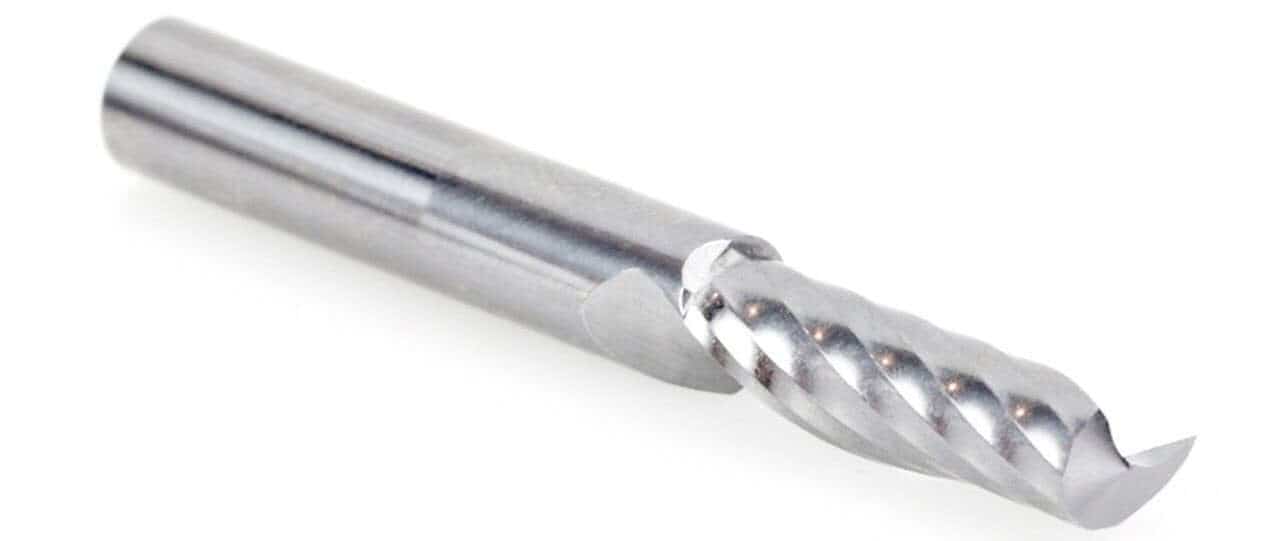 Amana 51404 CNC Solid Carbide Spiral O Flute Plastic Cutting Up-Cut Router Bit w Mirror FinishThe highest quality sub-micrograin carbide, a special proprietary edge processing system, a super high-polished cutting edge with a unique “mirror finish”-- for clean cuts, superior surface finish & a longer tool life. The Spiral ‘O’ flute sharpening/finishing process increases feed rates, allowing for more linear feet routed in less time.
 Common Mistakes That Make Cheap Bits Perform Even Worse
Even a good bit can perform badly when used incorrectly. A cheap bit has even less margin for error.
Using the Wrong RPM
Too much speed can create heat and burning. Larger diameter bits generally need lower RPM than smaller bits.
Feeding Too Slowly
Moving too slowly gives the bit more time to rub and burn. A sharp bit should cut chips, not create dust and heat.
Taking Too Heavy a Pass
Overloading the bit can cause chatter, deflection, burning, and poor finish. Multiple lighter passes are often better than one aggressive cut.
Using a Dirty Bit
Pitch and resin buildup increase friction. Even quality bits need cleaning.
Blaming the Router Before Checking the Bit
If the router is secure, the collet is clean, the feed rate is reasonable, and the material is supported, the bit may be the weak link.
The Real Cost of Cheap Router Bits
The cheapest bit is not always the least expensive bit.
A low-quality router bit can cost you in:
- Ruined material
- Extra sanding
- Burn removal
- Re-cut parts
- Shorter tool life
- Inconsistent results
- More setup time
- Frustration
For a hobbyist, that might mean a ruined Saturday project. For a cabinet shop, sign shop, or CNC business, it can mean lost time, lost profit, and missed deadlines.
Bottom Line: Cheap Router Bits Save Money Once
A router bit is not just a piece of metal with sharp edges. It is a precision cutting tool.
The quality of the carbide, the accuracy of the grind, the balance of the body, the geometry of the cutter, and the consistency of the manufacturing all affect how that bit performs.
If you are getting burn marks, chatter, tearout, fuzzy edges, short tool life, or inconsistent results, do not just adjust your feed rate and hope for the best.
Look at the bit.
Cheap router bits save money once. Quality router bits save money every time they cut.
FAQs
Why do cheap router bits burn wood faster?
Cheap router bits often use lower-grade carbide, dull more quickly, and may have poor cutting geometry. Instead of slicing cleanly, they create more friction and heat, which leads to burn marks.
What causes router bit chatter?
Chatter is usually caused by vibration from poor bit balance, runout, dull edges, weak grinding, or improper setup. Low-quality bits are more likely to have manufacturing inconsistencies that increase chatter.
Are expensive router bits really worth it?
For many woodworkers, CNC users, and production shops, yes. Better router bits often last longer, cut cleaner, reduce sanding, improve accuracy, and provide more consistent results over time.
How can I tell if my router bit is low quality?
Common signs include excessive burning, fast dulling, vibration, rough cut edges, tearout, inconsistent sizing, poor bearing performance, or visible grind inconsistencies.
Can feed speed or RPM fix a cheap router bit?
Proper feeds and speeds matter, but they cannot fully compensate for poor carbide, bad geometry, or weak manufacturing. Even with perfect setup, a low-quality bit may still burn, chatter, or wear out quickly.